
No longer just filling cavities, dental care in 2026 is all about advanced diagnostics, biomimetic materials, and minimally invasive procedures to preserve natural teeth. When you catch early warning signs and implement appropriate preventive measures, restorative dentistry helps you avoid more complex procedures, costs, and later-life oral complications.
The vast majority of patients never notice the more subtle signs that something is seriously wrong until the pain or visible damage drives them into the emergency room. Being aware of the main indications that something is amiss enables you to get treatment before minor problems become permanent injuries.
-
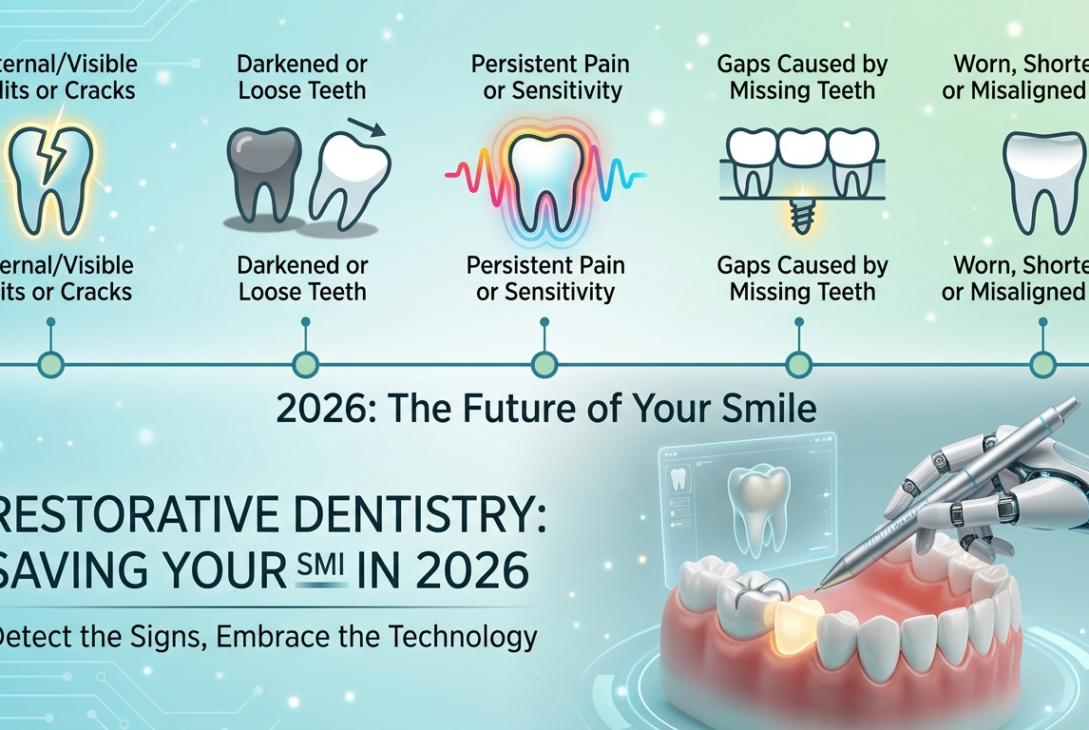
External/Visible Splits or Cracks in Teeth
Although a cracked or chipped tooth may feel minor, especially if it is not painful at the time, nevertheless, even small ones compromise tooth integrity and allow bacteria to enter deeper layers of the tooth.
With modern digital scanning technology, it can determine whether a tooth has micro-fractures (2017) that traditional imaging cannot detect and allow the dentist to reinforce a tooth with bonding, inlays, and overlays before the damage reaches the root.
Untreated, cracks can widen under pressure from chewing, leading to an infection or abscess, or total loss of the tooth. Identifying and treating structural damage early is one of the most effective ways to keep natural teeth and circumvent the need for surgical intervention.
-
Darkened or Loose Teeth
If one of the teeth is suddenly darker than the other teeth, it may indicate internal damage to the tooth. A discolored tooth can indicate that the tooth pulp is unhealthy and usually occurs after trauma, decay, or another type of infection.
Similarly, tooth mobility is a sign of disease associated with underlying bone loss or periodontal disease. Bones and connective tissue support teeth, but the moment support starts to decline, the whole foundation will collapse.
This means compromised teeth can be repaired with restorative procedures, including root canal therapy, crowns, and dental implants. Not only does this preservation treatment save the tooth itself, but it also keeps the surrounding teeth from shifting into the tooth’s former position.
-
Persistent Pain or Sensitivity
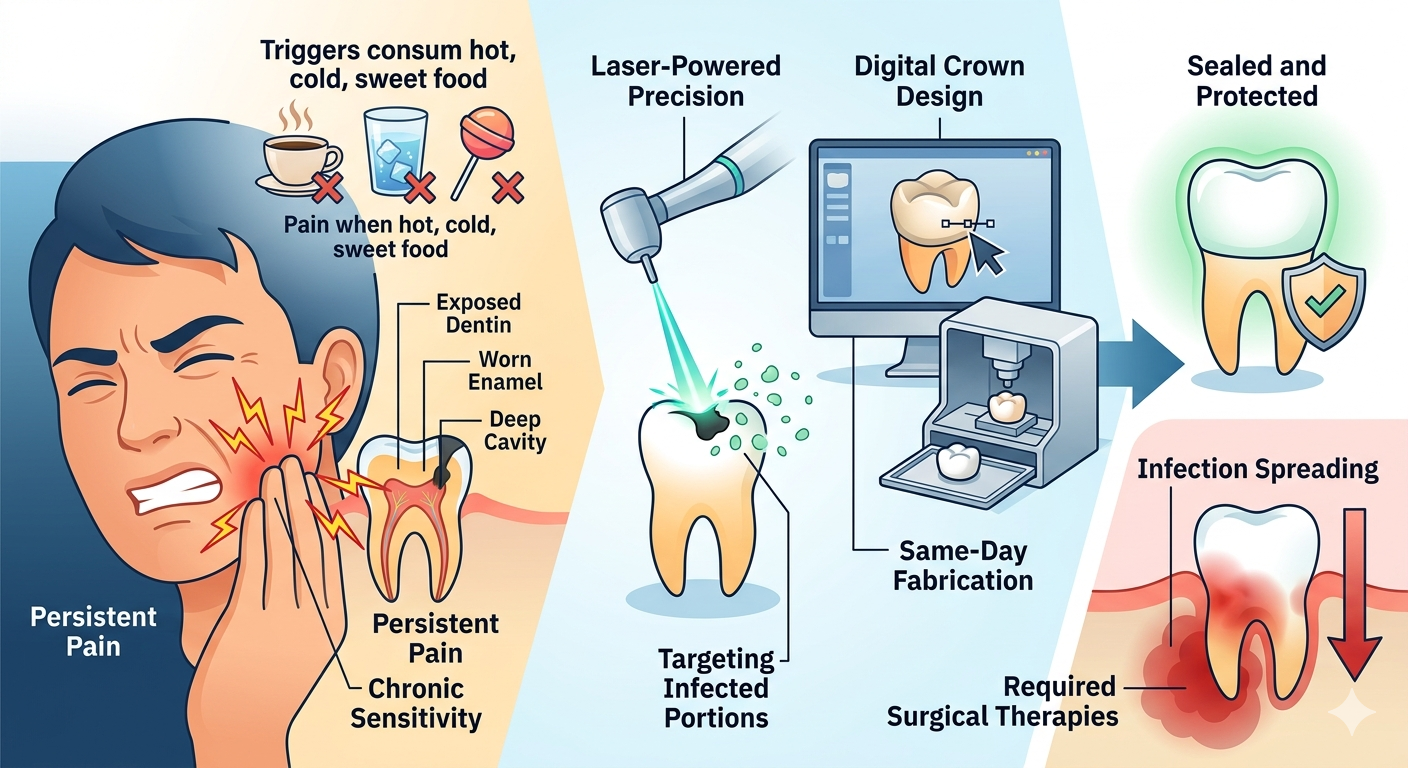
Some tooth sensitivity might be normal; however, if pain persists when consuming hot, cold, or sweet food, it should be investigated immediately. Chronic sensitivity is usually the result of exposed dentin, worn enamel, or an extremely deep cavity close to the nerve.
Modern-day dental technology has opened up avenues for less invasive and more precise treatments. Laser-powered techniques can target infected portions of the tooth with greater precision, and digital crown design systems allow restorations to be fabricated on the same day, sealing the damage and protecting the tooth from further harm immediately.
If you ignore chronic pain, the infection may spread deeper into the tooth or the surrounding bone and may require more surgical therapies later on.
-
Gaps Caused by Missing Teeth
Losing any tooth, like having one too few, is more than an aesthetic issue. Without the stimulus of a tooth, bone will begin to shrink when a tooth is lost. This bone loss can eventually spread to adjacent teeth, affect the facial structure, and misalign the bite.
If a single molar is missing, chewing efficiency is reduced, and the load across your bite is displaced. Restorative treatment, like a bridge or dental implant, replaces not just the portion of the tooth that you see, but also preserves bone density and supports long-term stability.
Replacing missing teeth as soon as possible is important for oral health and for avoiding more complex rehabilitation further down the line.
-
Worn, Shortened, or Misaligned Teeth
The result: Flat, shortened, or worn irregularities in the teeth could indicate chronic grinding, erosion,n or bite misalignment. Many of these problems develop slowly, so they are difficult to notice until significant damage has already been done.
Wear in these areas can wear through layers of protective covering and put stress on your jaw joints. Eventually, this can lead to headaches, jaw pain, and chewing problems.
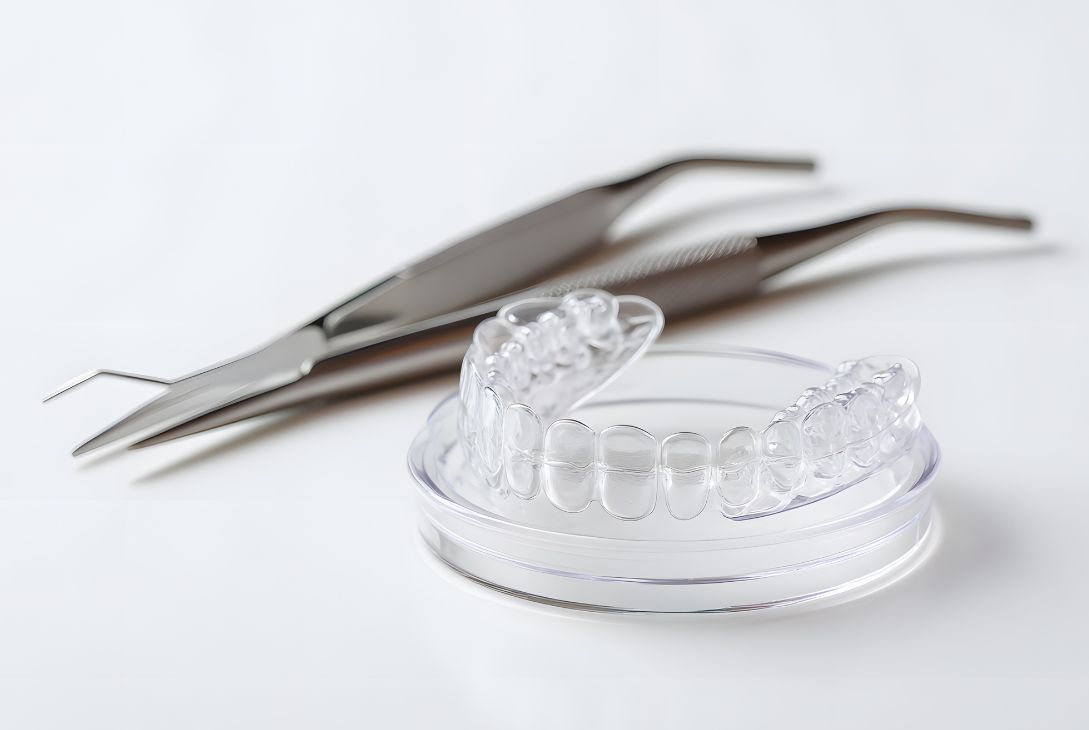
Crowns, overlays, and bite treatment (also known as TMD treatment) are restorative treatments that can repair worn teeth and restore the bite. They may even advise you to use night guards and other protective appliances to prevent further harm.
Advanced Dental Technology for More Efficient Treatment
Restorative dentistry has made strides in recent years, providing procedures that reduce discomfort, are more accurate, and are even more permanent than ever before. Digital impressions have completely replaced the cumbersome and uncomfortable molds. Using computer-aided design and computer-aided manufacturing, crowns and restorations can be fabricated with extreme accuracy, sometimes in just one visit.
Biomimetic materials are intended to emulate the natural rigidity of tooth enamel and the flexibility of dentin, so that restorations integrate with the existing dentition and wear as efficiently as natural teeth. These innovations enable dental practitioners to save much more of your natural tooth,h and less invasive treatment will be needed.
Why Early Intervention Matters
One of the more common reasons patients require dental work is that the initial treatment is delayed. Untreated, tiny fractures can become infected, mild gum disease can become bone loss, and worn teeth can result in bite collapse.
Fixing things early is ultimately cost-saving and helps maintain your own smile. Restorative and preventive care are equally dependent on each other for both function and appearance, helping keep your teeth healthy and strong for many years to come.
In most instances, early intervention means shorter appointments, faster recovery times, and less pain than with an emergency procedure or full-mouth rehabilitation.
Frequently Asked Questions
When is restorative dentistry used?
It involves the remediation or restoration of the tooth and other oral tissues to restore or enhance any characteristic of the jaw or surrounding structures in the event of a clinical disorder.
Is restorative dental treatment painful?
Most procedures are comfortable because of advanced techniques and anesthetics. The use of digital technology and minimally invasive methods also decreases the time spent drilling and disrupting tissue.
When is treatment necessary for a cracked tooth?
A dentist should check for any visible cracks. Cracks are not always accompanied by pain, but they can allow bacteria to enter the tooth and cause serious damage over time.
Which more closely mimics the function of your natural teeth — dental implant or bridge?
Both options have benefits. Implants are better at preserving bone and functioning like real teeth, and bridges may be the option when the adjacent teeth need restoration.
Can teeth that have become worn ever be fully replaced?
Yes. Tooth wear is often restorable by crowns, overlays, or veneers. In the most extreme scenarios, when your dental panic has lasted a very long time, you may need full-mouth rehab.
Long-Term Preservation of Your Natural Teeth
Maintaining your natural teeth and a healthy smile for a lifetime does take some time, care, and consideration. Familiarizing yourself with early warning signs of these dental issues, including fractures, discoloration, sensitivity, tooth loss, or excessive wear, will enable you to be proactive about your oral health.
Restoring damaged teeth is more predictable, comfortable, and effective than ever before, thanks to advancements in dental technology and materials. By taking action at the first sign of trouble, you ensure that your smile remains strong, functional, and confident for many years to come.