

If you’re perplexed about what happens during a dental routine cleaning appointment, you’re not the only one. Many patients feel anxious about their cleaning appointment simply because they lack understanding of what happens during one. The comforting detail surrounding cleaning appointments is that their effectiveness is unmatched, and their straightforwardness greatly simplifies maintaining one’s smile health, alleviating concerns altogether.
Professional dental cleaning appointments involve removing plaque and tartar that your toothbrush or floss may fail to remove and eliminating stains. It is also when your dentist or dental hygienist gets the opportunity to identify some issues that may require intervention. To appreciate the level of dental cleaning described, it may be helpful to describe the process of teeth cleaning.
Step 1: The Physical Examination
Before any cleaning instrument touches your teeth, the hygienist will review the entire mouth with a mirror. They will then examine the condition of your gums and teeth for signs of plaque, tartar, and gum disease. This is a crucial process in their assessment that helps determine what will be cleaned and what will need special attention. If a particular concern is serious, it will require the attention of a dentist.
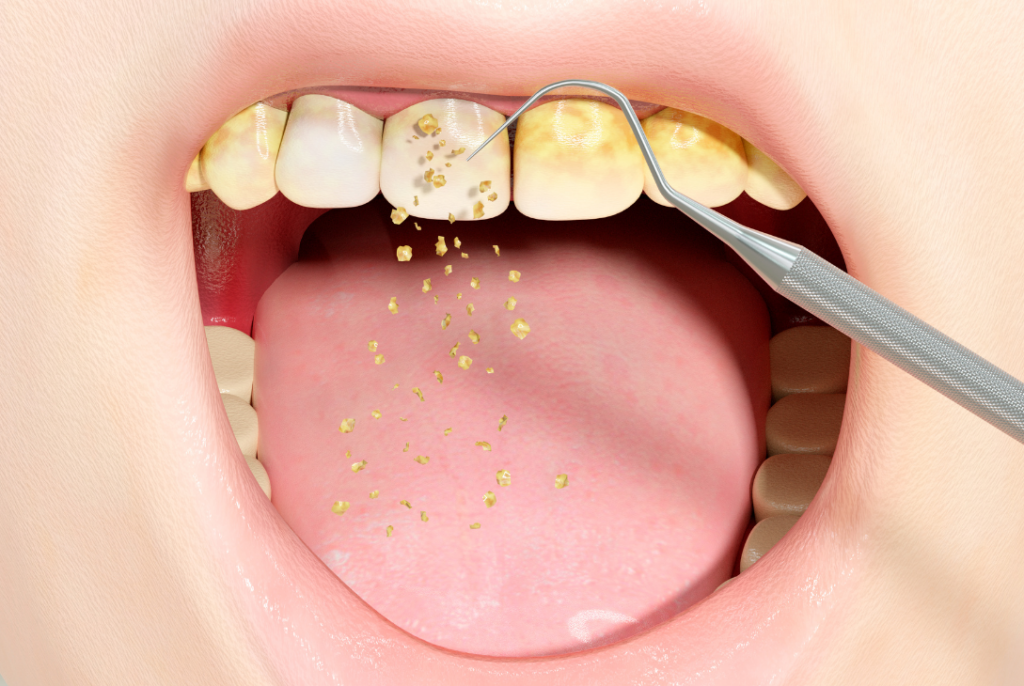
Step 2: Removing Plaque and Tartar
Accumulated plaque can quickly develop into tartar, a calculus that is not removable by brushing. Tartar accumulations become more damaging to your dental health. Those deposits around your gum line and between your teeth need to be scraped away using a specialised tool termed a scaler, which dental hygienists employ.
It is reasonable to be concerned about the scraping sounds. There’s no need to be apprehensive; they are expected. This is a vital step, a common practice, ensuring your teeth remain healthy.
Step 3: Polishing with Gritty Toothpaste
Teeth can now be polished. The hygienist uses a high-powered electric toothbrush in a rotating and balancing manner, which is designed for that purpose to improve efficiency. This also enhances the patient’s comfort. The rotating buffing polishing technique makes the polishing step more pleasurable, thereby increasing patient comfort.
This also makes the tooth surfaces more plaque-resistant for a few weeks, allowing for more plaque removal. This makes the polishing step more pleasurable and the patients more comfortable.
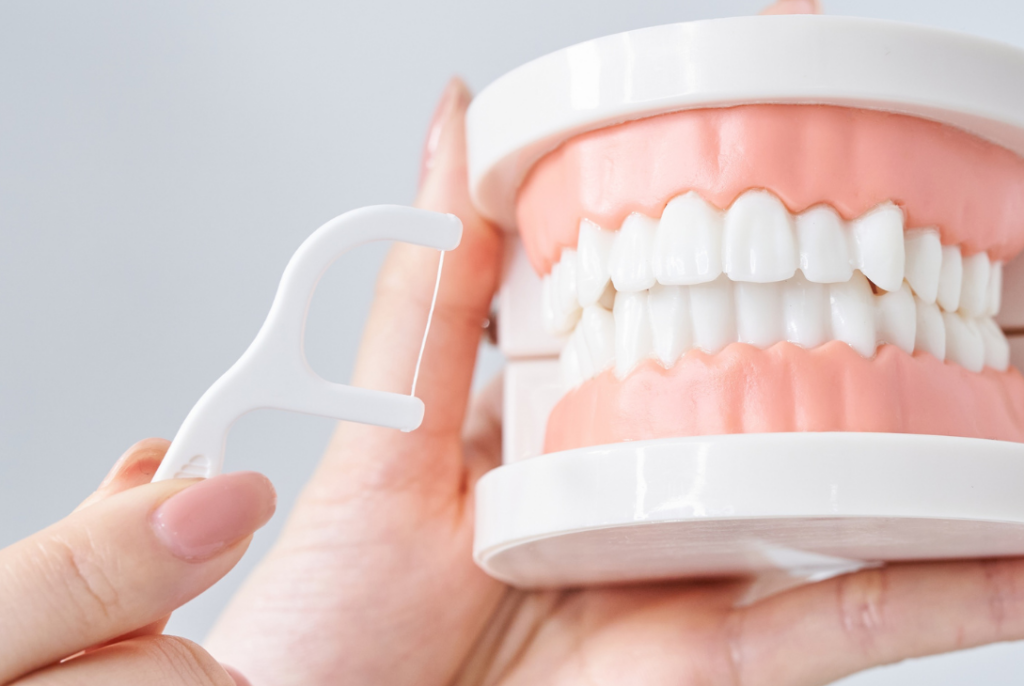
Step 4: Professional Flossing
Even if you floss regularly at home, nothing compares to professional flossing. The hygienist threads dental floss between your teeth, reaching into the spaces between and under the gums. This step helps reduce debris and bacteria that brushing may miss, preventing cavities and gum irritation.
This is also an excellent opportunity to assess the effectiveness of your flossing; your hygienist can provide tips based on their observations.
Step 5: Rinsing It All Away
After all the polishing, flossing, and rinsing, the final step is to rinse. Generally, the rinse is antibacterial or contains fluoride, which helps rinse away debris that has been loosened and freshens your breath. This step is quick, the rinse refreshing, and it gives a clean mouth feel.
Step 6: Fluoride Treatment
The last and most vital step in all cleanings is a fluoride treatment. Fluoride is an essential mineral that increases the strength of your enamel and, therefore, helps prevent cavities. As a treatment, it comes in the form of a gel, foam, or varnish, and it is vital to allow it to sit for a few minutes. This treatment will help in protecting your teeth until your next cleaning.
Why These Steps Matter
Purpose and intent are essential for each step in the cleaning process. Scheduled cleanings help prevent possible problems like:
- Reduce the risk of developing cavities and gum disease.
- Eliminate bad breath.
- Keep your smile bright and stain-free.
- Identify the early signs of developing oral health problems.
Over time, not having the required dental cleanings may lead to more severe problems, requiring you to spend more time and money on complex treatments.
Frequently Asked Questions on Dental Cleanings
1. How often should I get a dental cleaning?
Typically, every 6 months. However, in cases of gum disease and heavy tartar buildup, your dentist may recommend more frequent cleanings.
2. Does a cleaning hurt?
Most of the time, cleanings do not hurt. You may feel some pressure or mild sensitivity. If your gums are particularly sore, please inform your hygienist so they can address the issue.
3. Can cleanings whiten my teeth?
Cleanings will not significantly change the appearance of your teeth to the extent that professional whitening treatments do. But they will remove some stains and polish your teeth, brightening them somewhat.
4. What should I do after my cleaning?
If you have received a fluoride treatment, please refrain from eating or drinking for 30 minutes.
You can resume your normal activities after your appointment. Don’t forget, it’s an ideal time to reaffirm your commitment to daily brushing and flossing routines.
5. I brush and floss daily, but why do I still need professional cleaning?
Even with the best home care, removing all plaque and tartar build-up is nearly impossible. The tools and expertise of a professional make a difference in cleaning your mouth to the healthiest state possible.
Final Thought
One of the simplest yet most effective way to care for your smile is to go for a dental Hygiene cleaning. Every step of the process, from examination to fluoride treatment, is geared to work harmoniously to maintain strong teeth, healthy gums, and pleasant breath. Think of it as a reset button for your oral health and a means to gain peace of mind that a qualified person has checked your smile.