
Let’s be real, going to the dentist isn’t anyone’s idea of fun, especially if you’ve got sensitive teeth. But skipping out can lead to bigger problems, like needing a tooth cavity filling when things go south. Sure, we’ve all heard it before: brush twice a day, floss as you mean it, and don’t ghost your dentist. But if you’re after that extra-clean feel, fresh breath that lasts, and gums that don’t bleed when you floss, it’s time to level up. This isn’t about perfection; it’s about simple, smart habits that actually work. From stopping cavities before they start to keeping your enamel strong, we’ll walk you through what matters, why it works, and how to build a routine that keeps your smile healthy long after you’ve stopped checking it in the mirror.
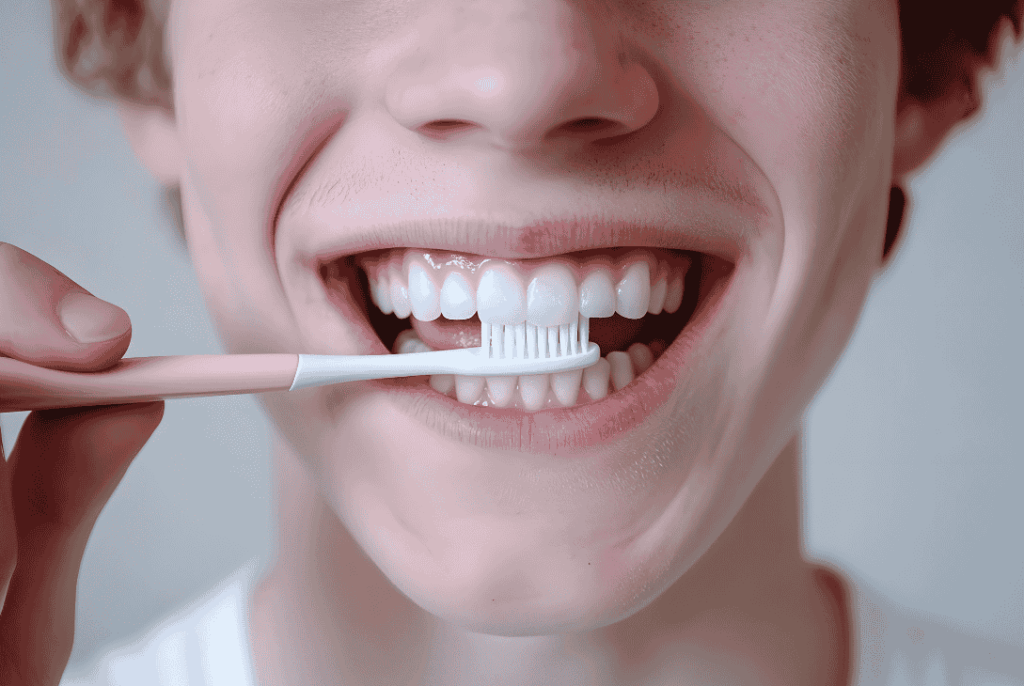
Why Daily Oral Care Goes Beyond Just Brushing
Brushing alone doesn’t remove everything. Plaque is fast forming, bacteria like nooks and crannies, and food particles belonging to the debris don’t have the courtesy to mince around in silence.
When plaque is not completely removed, it hardens into tartar, irritates the gums, and raises your risk of cavities, bad breath, and gum disease.
The idea is not perfection; it’s consistency plus smart upgrades that enhance, but don’t co-opt, what you already do with your life.
Advanced Daily Habits That Make a Huge Difference
One of the most neglected details in oral hygiene is the tongue. The white or yellowish film you see in the mirror? It’s full of the bacteria that cause bad breath. Simply scraping your tongue for a few seconds each day can help rid your mouth of these odor-causing microbes and make you feel instantly fresher.
And diet is actually a more significant factor than most people realize. Foods that crunch, like apples and celery, offer a tooth scrubbing action of their own and encourage salivation, which neutralizes acids. Sticky sweets, meanwhile, hang on to teeth and feed plaque bacteria long after you’ve finished eating.
Xylitol-containing sugar-free mints or gum are another easy win. Xylitol creates havoc for the bacteria that cause cavities and makes it more difficult for them to stick to tooth enamel — but it also helps freshen your breath.
If you’re still brushing manually, switching to an electric toothbrush can be a game-changer. The fast back-and-forth or sonic movements help keep the mouth feeling cleaner along the gums, especially if you have trouble with technique or consistency.
Some also swear by oil pulling, or swishing coconut oil for several minutes. It’s not a substitute for brushing or flossing, but it might help lower the bacterial count, ease your gums, and leave your mouth feeling cleaner and smoother.
Weekly Habits That Fill the Gaps
Weekly habits get at what daily routines leave out. A mild, between-teeth, brass-polishing whitening, for example, can help remove surface stains from coffee, tea, or wine without doing a number on enamel. The operative Word here is moderation; overuse can get in your pores’ faces.
Interdental brushes are an underrated aid. If you have larger gaps between teeth or dental work that makes flossing difficult, these small brushes can clean the areas that floss sometimes misses. When sized properly, they’re comfortable and highly effective.
For individuals who struggle with cavities, a fluoride rinse can help strengthen enamel and promote remineralization at night, when salivary flow wanes. This extra step could be especially useful for anyone prone to decay.
Hydrating is also a form of oral care. Drinking water throughout the day can help wash away food particles and keep saliva flowing. Saliva is the mouth’s natural defense system. It neutralizes acids, remineralizes enamel, and controls bacteria.
Building a Simple, Sustainable Routine
In the morning, we want to start fresh. Brushing the teeth well and cleaning the tongue of bacteria that has built up overnight prepares the way for a great day.
“If you’ve had something acidic to eat, or alcohol on your breath, then brushing with toothpaste and fluoride doesn’t just make the mouth feel fresher – it may also help prevent acid damage for a few hours afterwards,” says Dr Nigel Carter OBE, CEO of the Oral Health Foundation. Including a dry food can give your little one a natural clean.
It’s that nighttime is really when the magic happens. A thorough rinse, brush, floss, or interdental clean-oil pull sets your mouth up for nighttime repair when saliva decreases, and bacteria can run rampant.
Weekly deep-cleaning habits really do the trick; you keep staining, plaque, and buildup at bay without too much extra effort.
Where Professional Cleanings Come In
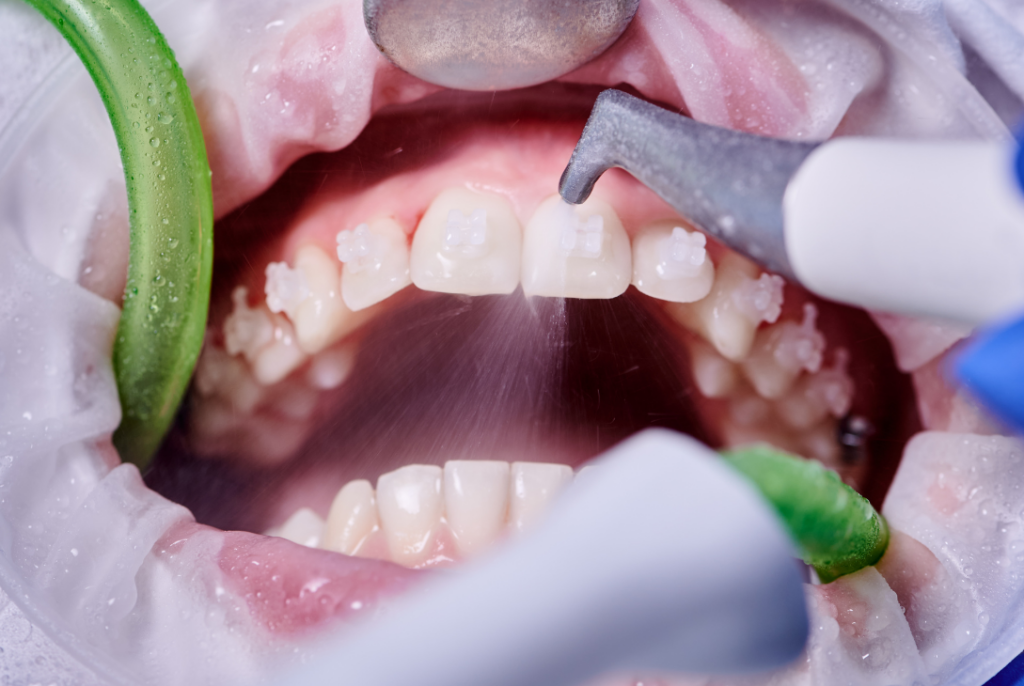
No matter how good your home routine is, it won’t take off the hardened tartar. Professional cleanings can get below the gumline, polish enamel, and catch warning signs early, when they’re small problems, not bigger issues.
Imagine that your dentist or hygienist is your coach in the game of oral care. They’re able to suggest tools, tweak techniques, and help you perfect your routine according to what will work for you.
FAQs About Effective Oral Care
- How often should I be brushing my teeth?
The standard is twice a day, once in the morning and again before bed. Brushing for more than two minutes doesn’t add unless the user has really poor technique. - Is tongue scraping really necessary?
It’s not required, but it really helps keep your breath fresh and reduce bacteria on your tongue. Plenty of folks feel an instant improvement. - Can baking soda damage teeth?
It’s safe for most people when used occasionally and well, gently. Using daily or scrubbing too harshly is not advised. - Are electric toothbrushes worth it?
For many people, yes. They make it possible to maintain steady pressure and movement, particularly around the gum line. - Can oil pulling substitute for brushing or flossing?
No. It’s an adjunct, not a replacement. Consider it an indulgent, comforting, and refreshing spray.
Small Habits, Big Smile Energy
A healthy smile isn’t the result of one perfect action — it’s about those small, repeatable actions that add up. When you combine those smart daily choices with weekly upgrades and a steady diet of professional care, your teeth end up cleaner, stronger, and brighter than you think is possible for the effort involved.
The best part? Once good dental habits are locked in, your smile is in the driver’s seat; it basically takes care of itself—and that confidence has a way of rippling through.