
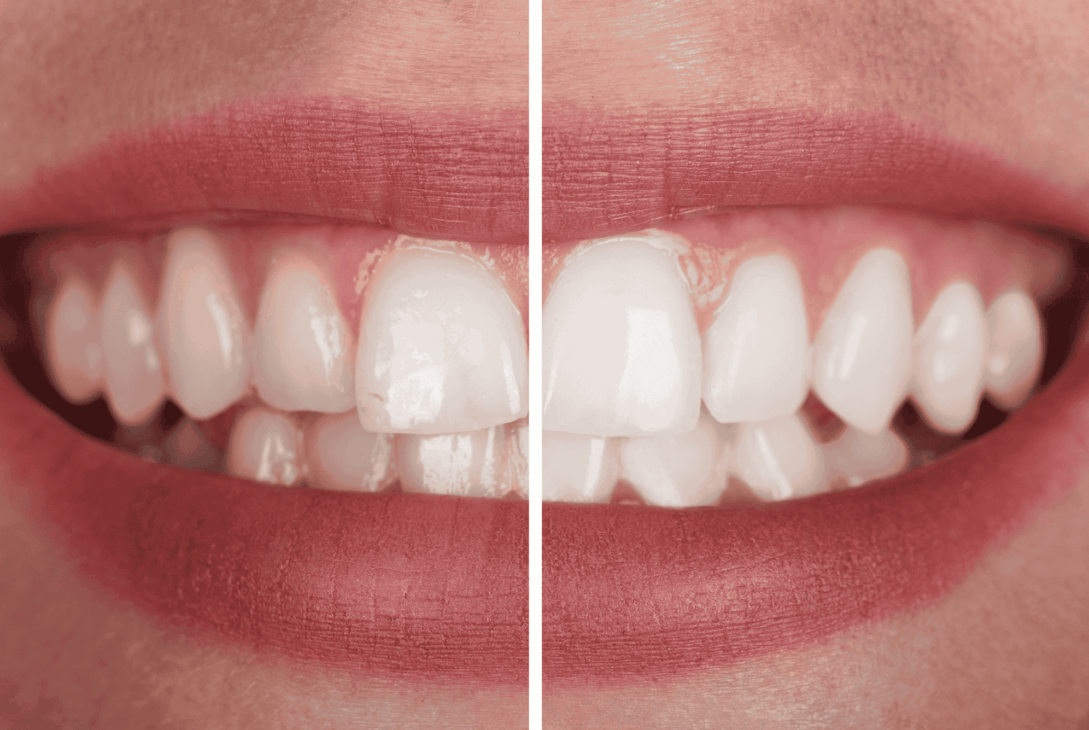
Maintaining a bright, healthy smile involves more than just a quick brush each morning. It is a vital part of your overall well-being, connecting the health of your mouth directly to the health of your entire body. At the heart of this maintenance is a simple, yet powerful practice: regular hygiene teeth cleaning and professional dental exams. This guide will walk you through why these visits are non-negotiable, what you can expect from a modern 2026 dental appointment, and how to care for your smile at home.
Why Regular Dental Visits Are a Cornerstone of Health
Think of your twice-yearly dental appointment not as a chore, but as a crucial investment. For most people, a visit every six months is the golden standard. This schedule creates a consistent rhythm of prevention and early detection, stopping small problems from becoming big—and often expensive—ordeals.
Skipping these appointments allows plaque, a sticky film of bacteria, to harden into tartar (or calculus). Tartar bonds firmly to your teeth and cannot be removed by brushing or flossing at home. It acts as a constant irritant to your gums and a haven for decay-causing bacteria. Only the specialized tools used during a professional hygiene teeth cleaning can effectively remove it.
The Far-Reaching Benefits of Consistent Care
The advantages of sticking to your dental exam schedule extend far beyond a polished smile.
1. Early Detection and Prevention: A cavity doesn’t become painful overnight. Gum disease often starts silently. During your checkup, your dentist and hygienist are trained detectives, looking for the earliest signs of trouble—a tiny spot of decay, the slight bleed of inflamed gums, or a subtle change in your soft tissues. Catching issues at this stage usually means treatment is simpler, more conservative, and significantly less costly.
2. Halting Gum Disease in Its Tracks: Gingivitis, the earliest stage of gum disease marked by red, swollen gums that may bleed, is completely reversible with professional cleaning and improved home care. If ignored, it can advance to periodontitis. This serious infection attacks the bones and fibers that hold your teeth in place, potentially leading to tooth loss and lasting damage to your jawbone. Regular cleanings are your primary defense against this progression.
3. The Critical Oral-Systemic Health Link: Your mouth is a gateway to the rest of your body. Chronic inflammation from gum disease is now closely linked by research to serious systemic conditions. The bacteria from oral infections can enter your bloodstream, potentially contributing to:
-
Increased risk of heart disease and stroke
-
Complications with diabetes management
-
Respiratory infections like pneumonia
By maintaining a clean, healthy mouth, you are actively reducing risk factors for these broader health concerns.
4. Personalized Guidance for Your Unique Smile: Everyone’s mouth is different. Your dental team provides tailored advice you can’t get from a generic blog or video. They might recommend a specific type of toothbrush, demonstrate the most effective flossing technique for your tightly spaced teeth, or suggest products to help with dry mouth. This personalized coaching is a key benefit of your visit.
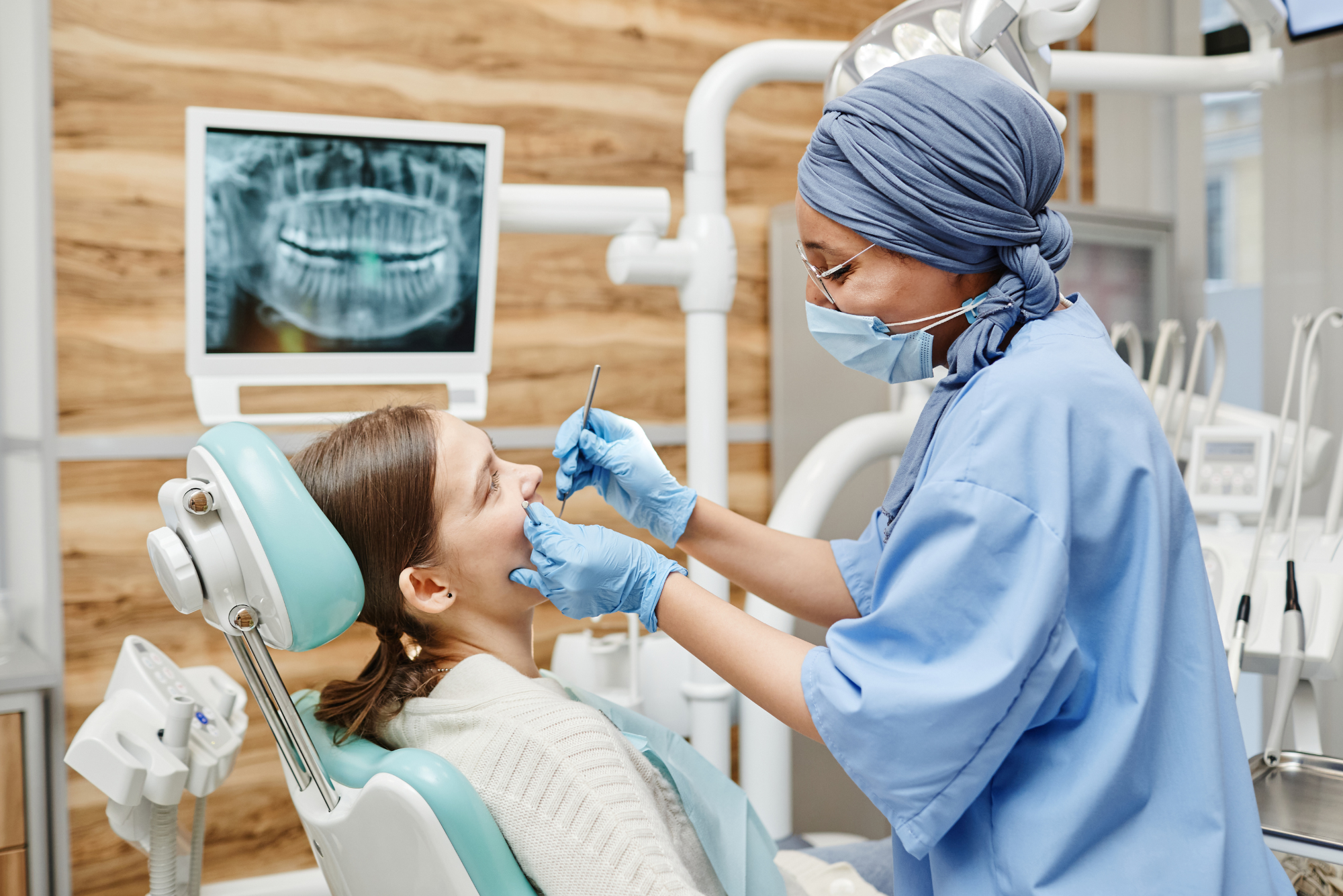
Your 2026 Dental Exam: A Look Inside the Modern Appointment
Dental care is constantly evolving. A visit in 2026 is a comfortable, efficient, and highly comprehensive experience leveraging technology for your benefit. Here’s what you can typically expect:
1. The Physical Examination: Your dentist will conduct a thorough visual and tactile inspection of your teeth, gums, tongue, palate, and the inside of your cheeks. They use small mirrors and lights to check every surface for signs of decay, cracks, worn fillings, and gum inflammation.
2. Routine Oral Cancer Screening: This is a standard, vital part of every exam. Your dentist will look and feel for any unusual lumps, red or white patches, or sores in and around your mouth, lips, and neck. Early detection of oral cancer dramatically improves treatment outcomes.
3. Diagnostic Imaging: To see what’s happening beneath the surface, digital X-rays or low-radiation scans are usually taken annually. These images reveal hidden decay between teeth, problems with tooth roots, bone loss from gum disease, and the status of developing teeth (especially important for children and teens).
4. The Core Cleaning: Scaling and Polishing: This is where your hygienist shines. Using ultrasonic scalers and fine hand instruments, they will carefully and gently remove all plaque and tartar deposits from above and just below your gum line. This process, the essence of professional cleaning, is what halts gum disease. After scaling, your teeth are polished with a special paste. This removes surface stains from coffee, tea, or wine and leaves your enamel feeling silky smooth, making it harder for plaque to stick.
5. Preventive Treatments: Based on your individual risk assessment, your dental team may recommend additional preventive steps. A fluoride varnish might be applied to strengthen tooth enamel and reverse the earliest signs of decay. For adults and children prone to cavities in back teeth, dental sealants—a protective plastic coating—can be painted onto the chewing surfaces to block out bacteria and food particles.
Maximizing Your Results: Your At-Home Maintenance Routine
The work you do at home is what sustains the clean, healthy state achieved in the dental chair. A professional cleaning twice a year is designed to complement a stellar daily routine, not replace it.
Follow the 2-2-2 Rule: This is the easiest mantra to remember: Brush your teeth twice a day, for two minutes each time, and visit your dentist twice a year. Using a timer or a smart toothbrush ensures you brush long enough to clean all surfaces effectively.
Don’t Skip the Floss: Your toothbrush can’t reach between your teeth. Flossing once a day is non-negotiable for disrupting the bacterial communities that form in these tight spaces. If you find traditional floss difficult, ask your hygienist about alternatives like water flossers or soft dental picks.
Choose the Right Tools:
-
Toothbrush: Use a soft-bristled brush to avoid damaging your gums and enamel. Replace it every 3-4 months, or sooner if the bristles are frayed. In 2026, many people opt for smart electric toothbrushes with pressure sensors and timers, which provide feedback to improve technique.
-
Toothpaste: Always select a toothpaste with fluoride, a mineral proven to prevent cavities and strengthen enamel.
-
Mouthwash: While not a substitute for brushing and flossing, an therapeutic mouthwash (especially one with fluoride or antibacterial ingredients) can be a helpful addition to your routine. Your dentist can recommend one suited to your needs.
Mind Your Diet: What you eat and drink directly impacts your oral health. Limit sugary and acidic foods and beverages, as they fuel the bacteria that cause decay and can erode enamel. Drinking plenty of water, especially fluoridated tap water, helps rinse away food particles and keeps your mouth hydrated.
Your Partnership for Lifelong Health
Ultimately, oral health is a collaborative journey between you and your dental team. By committing to regular professional exams and cleanings, and backing them up with diligent daily care, you are doing much more than preserving your smile. You are taking a proactive, powerful step toward safeguarding your entire physical health.
Schedule your next appointment today, and step into 2026 with the confidence that comes from knowing you’re giving your health the comprehensive care it deserves. Your smile—and your body—will thank you for years to come.