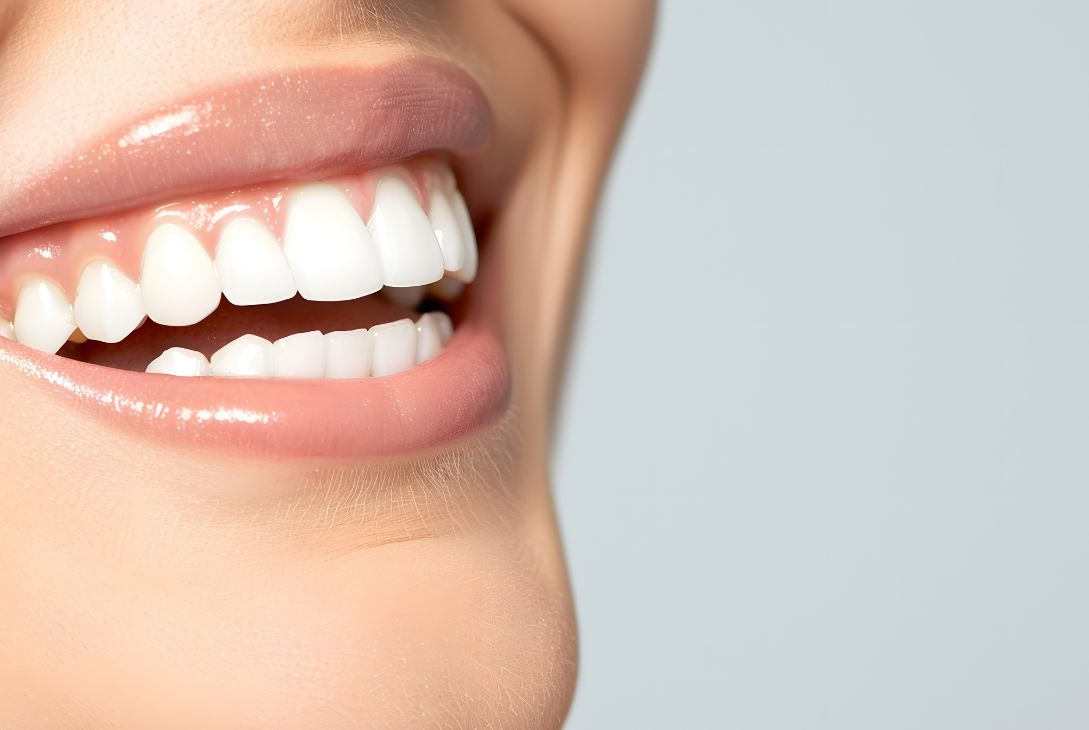

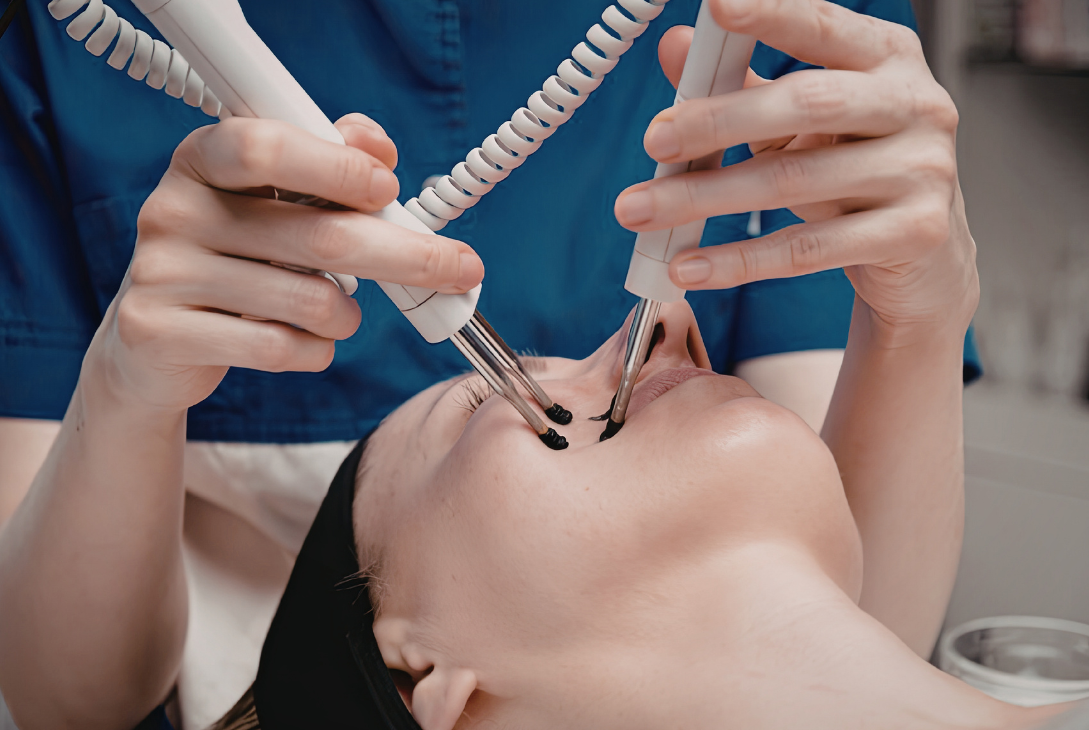
Your smile is more than just an appearance booster; it plays a major role in your overall health. Many people who brush and floss daily do not realise how much buildup is still present. That is why dental hygiene and regular teeth cleaning are not just for looks, but an important dental preventive step for better health. The gums, teeth, and jawbone can be protected long-term by removing plaque and tartar that you cannot fully clean with brushing and flossing alone.
Understanding the Causative Agents of Plaque and Tartar
Just a few hours after brushing, a film called plaque forms. It’s a spontaneous microbiological community that forms a colony of hundreds of different bacteria, takes hold, and begins colonising certain areas of the teeth. Over time, this plaque community hardens and becomes tartar. This plaque becomes stubborn plaque/tartar that cannot be removed by simple brushing. This buildup triggers inflammation of the gingival tissue, leading to herpetic gingivitis. This means the gums become red, swollen, and exudative. If left untreated, it can progress to the more serious disease of periodontitis.
What Takes Place In A Professional Cleaning
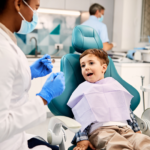
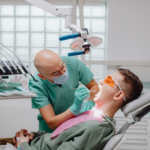
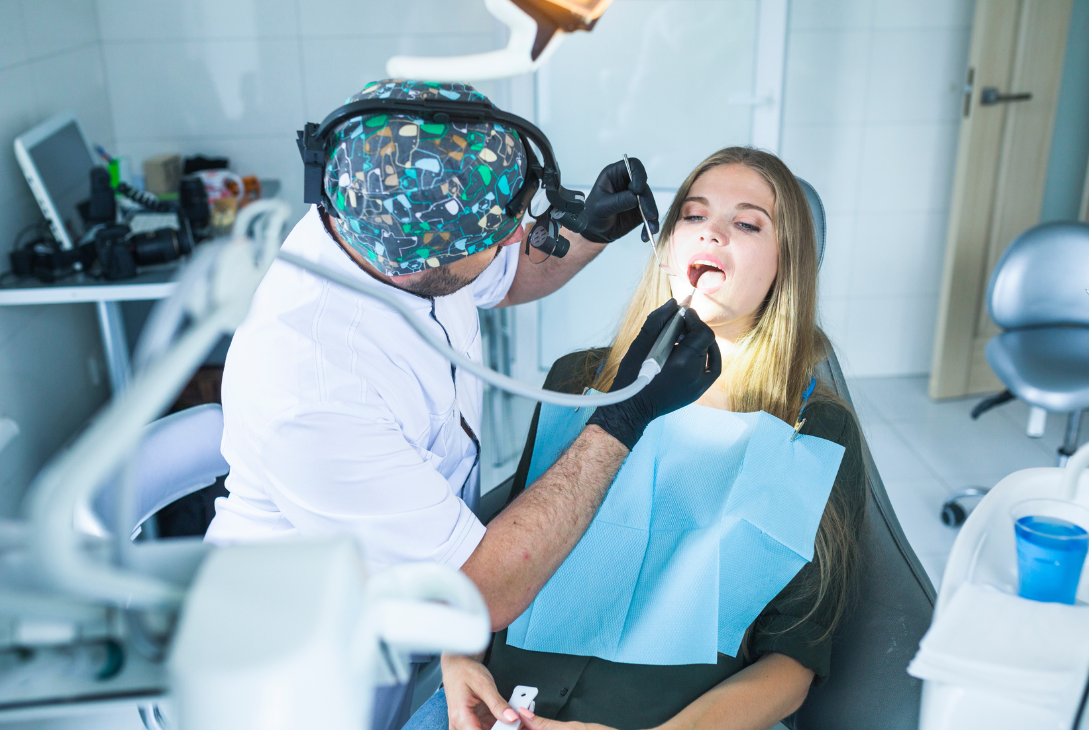
The purpose of a professional dental cleaning is to remove bacteria present at various levels. Certain tools are used to delicately dismantle hardened plaque, both beneath and above the gums, through a process called scaling. This is followed by polishing, a process that eliminates superficial stains and reduces the bacteria’s surface area by smoothing the enamel. Many cleanings also include fluoride treatments, which strengthen enamel, reduce the risk of future cavities, and help prevent existing cavities. An oral examination is typically performed to determine the presence of decay, gum disease, fissures, or infections, providing a cost-effective, less painful route to treatment, as the treatment plan is dependent on the examination findings.
The Importance Of Cleanings That Go Beyond Looking Good
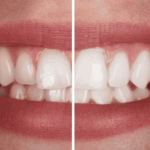
The removal of plaque from teeth is the reason for the improvement. Most of the time, chronic bad breath is caused by bacteria in plaque. The plaque cleanings remove the cause of the infection, not just the smell. Another reason is the prompt identification of possible dental issues. Many serious issues develop without showing pain or other symptoms, so that damage can be extensive. Early detection can prevent damage, save money, and avoid time and pain. Finally, cleanings increase your overall health. The inflammation in your body is reduced, lowering your risk of heart disease and other chronic health issues.
Why Is It That Home Care Is Not Sufficient
Routine flossing and brushing are a must, but they are not the end of the story. Even if you practise excellent oral hygiene, there is still a lot left unbrushed and unflossed. Untreated deposits become tartar, and tartar breeds bacteria. This is why those with poor oral hygiene can still develop gum disease. Professional cleaning will ensure the removal of all bacteria that other tools can’t. Cleanings are so thorough that they can reach deep gaps around the teeth that no other home tool can access.
How Often You Should Get a Cleaning
With most adults, it is advisable to have a professional cleaning every six months. Others may need to schedule visits more often due to their oral health, medical issues, or lifestyle factors. Regular professional cleaning may benefit patients suffering from diabetes, gum disease, chronic smoking, or those with braces. The frequency of cleaning appointments should be based solely on the individual’s unique dental requirements, rather than a set schedule.
Supporting Your Cleanings With Smart Habits
Daily routines combined with professional help are more effective. Electric toothbrushes and floss or water flossers are effective in cleaning the interproximal areas of teeth and removing plaque. Bacteria are less likely to grow when chewing gum with xylitol. Tongue cleaning can help with halitosis. White tooth enamel is protected when sugar consumption is lowered. Also, after eating, tooth enamel is weakened. The enamel is vulnerable to acid attacks.
Frequently Asked Questions
Is dental cleaning safe for sensitive teeth?
Yes, professional dental cleaning is safe for sensitive teeth. With the help of hygienists, each patient can use techniques and instruments at their own level of comfort. It is common for the pain to subside after a few appointments because professional cleaning removes plaque and reduces inflammation, ultimately exposing the nerves.
Can dental cleanings prevent people from getting gum disease?
Yes, cleanings do help prevent gum disease. Professional care, along with positive daily oral hygiene habits, can completely reverse the first stage of gum disease, called gingivitis. If you do not get periodontal cleanings, plaque can build up and progress to more severe gum disease, also called periodontitis.
Can you lose enamel when getting a cleaning?
No, you won’t lose any enamel as long as the cleaning is done properly. The instruments used to clean the teeth are designed to remove plaque, not to scratch the enamel. As a side note, enamel is protected because the plaque that causes enamel loss is removed along with the bacteria that were attacking it.
How long do cleaning effects last?
If you have adequate oral hygiene habits, like eating and drinking healthily, and keep up your daily brushing and flossing routine, then the cleaning can last for six months. This is why most dentists recommend cleanings every six months to maximise oral health.
Is it a bad thing if your gums bleed during a cleaning?
No, if there is an existing gum infection, then the cleaning should cause some mild bleeding. As the bleeding should subside, the more often the person gets professional cleanings and the more they improve their daily oral hygiene, the better.
Are dental cleanings necessary even when there is no pain?
Yes. Most dental issues occur without pain because their early stages are asymptomatic. Thorough cleanings help catch issues before symptoms develop, reducing the risk of serious damage and costly treatments later.
The Value of Professional Dental Care
Teeth hygiene cleanings are not centred around perfection and the decorative aspects of dentistry. Instead, they foster prevention and create long-term health. Healthy gums lead to less bad breath and lower medical health risks. Preventive dental care lowers the risk of painful procedures, reduces the need for high-cost treatments, and helps keep teeth that would otherwise be lost. A clean mouth supports the health of the entire body – that is why routine dental cleanings are one of the most powerful ways to invest in your health and self-confidence.