
Why Does It Matter Most Now
Nobody short of being unlucky would want to start their day with emergency visits for cracked teeth or fillings. Dental emergencies are prevalent, and are never pleasant, and always cost a fortune to deal with. For 2026, oral health would be best served by preventive care rather than emergency treatment.
General Dental Care creates a kind of fusible link for the care of the mouth. Early intervention by general dentists prevents the need for large-scale interventions. For example, a small cavity can be filled, and the problem will be resolved. However, should the cavity go untreated and eventually become infected, the problem will escalate to the need for a root canal, and/or the tooth may need to be removed.
Less than 10% of common, recurring dental problems depend on a general dental visit and consistent daily oral hygiene. From an economic perspective, dental emergencies are a high additional cost, and preventive care visits reduce the need for emergency dental care and incur additional costs.
In 2026, care prevention and planning for the future will be financially manageable and will cause additional stress on your system while providing financial and economic savings.
Early Detection: The Real Cost Saver
Preventive dentistry focuses on early detection of problems. Most serious oral health issues develop without symptoms. For instance, gum disease starts with mild inflammation; tooth decay begins to form beneath the surface, and you may have hairline cracks that develop long before you actually feel the pain.
With early detection, the need for complex and expensive surgical procedures is significantly reduced. Preventive dentistry allows you to avoid the costs associated with emergency procedures. The difference between neglected and proactive dentistry is thousands of pounds.
By investing in regular preventive measures in dentistry, you are reducing the costs associated with emergency procedures.

The Importance of Professional Dental Cleanings
Even the most disciplined brushing and flossing routine is insufficient to maintain oral health. Disciplined patients may develop hardened tartar, which may lead to gum disease, bone loss, and tooth mobility.
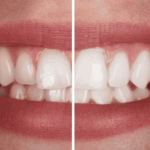
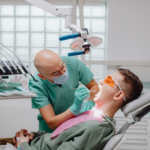
Hygienists clean teeth and remove deposits that are difficult to remove at home, and assist in spotting problems like bleeding gums and eroded enamel, which can go unnoticed but are significant indicators of larger issues beneath the surface.
Gum disease, unless treated, can progress to periodontitis, a significant cause of adult tooth loss. The cost and invasiveness of advanced gum treatments are greater than those of routine cleanings.
Your smile can be protected in the long term with biannual appointments. They act like maintenance checks for an important part of your life.
Innovations for the Defence of Preventive Services for 2026
Innovations for 2026 promise to transform preventive care in dentistry. Tools that use artificial intelligence to analyse imaging data for microscale decay and loss of structure can also increase or reduce the margin of error in detection. Another innovation assisting the change is the more frequent use of teledentistry. It allows a follow-up to be done virtually, so the provider can evaluate healing and provide assistance without an office visit. The minor issues that can lead to big problems are easy to avoid with this.
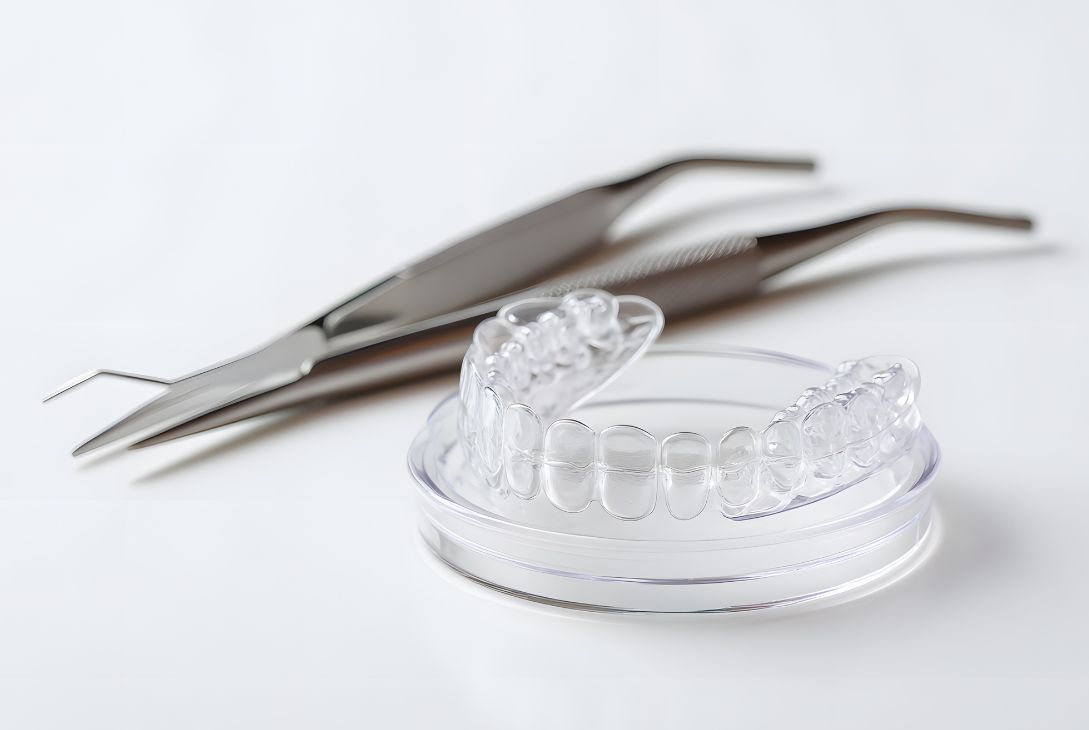
Current preventive measures offer strategies tailored to individual lifestyle and risk factors. For example, patients who grind their teeth can obtain custom night guards to protect their teeth from fractures and enamel abrasion. This type of treatment intervention is cost-effective as it eliminates the need for crowns and restorative work.
The evident change in dentistry is a greater focus on prevention and less on surgery. There is a noticeable shift from the demand for emergency procedures to the demand for preventive care.
Breaking Down the Financial Comparison
Prevention is more cost-effective than treatment in every comparison. From the outset, avoiding routine care seems like the more economical decision. However, the risk of complications and infected teeth, which can lead to abscesses and ultimately tooth loss, is far more complex in terms of treatment required.
Most routine care is within the same estimated treatment cost each year. Adding sealants or fluoride treatments to the care plan offers far more protection than the cost of required treatment to restore decay. For this reason, an effective prevention plan can limit the total amount of claims paid for dental insurance.
Studies show that oral health is directly linked to overall health. The presence of gum disease can also increase the prevalence of other serious conditions, including heart disease. Preventive dentistry can improve overall health and reduce healthcare costs.
There is a strong case for the health of routine care, but there is an equally strong case for its finances.
How to Avoid Emergency Dental Visits
Emergency dental visits can be avoided with proper dental hygiene. This includes:
- Regular brushing
- Flossing
- Using a fluoride mouth rinse
Additionally, one should replace their toothbrush every 3–4 months and after they have been ill.
Patients should schedule dental cleanings every 6 months. Patients should also seek dental care sooner than their routine 6-month interval appointments if they experience sensitivity, pain, or bleeding gums. This is to address problems before they develop into larger issues requiring more urgent intervention.
If one notices they are grinding their teeth at night, they should consider using a night guard. Cracked teeth that go untreated can develop into more serious problems, requiring crowns or even extractions.
Maintaining good oral hygiene can have a dramatic positive impact.
FAQ
How often should I schedule dental checkups?
Individuals with more problems observed during exams may have to come in more often than the average 6 months; however, in general, patients benefit from frequent visits.
Are preventive treatments really necessary if I brush daily?
Yes. Professional teeth cleanings are the only way to remove tartar build-up and to treat problems before they develop into bigger issues.
Can preventive dentistry reduce emergency visits?
Yes. Consistent preventive care is the only way to reduce the risk of urgent dental procedures.
What benefits do we gain from the use of fluoride?
Fluoride helps strengthen teeth, thereby preventing tooth decay and, most importantly, cavities.
How about the costs of preventive care? Are they necessary?
Routine preventive care costs far less than restorative or surgical care. In the long run, consistent preventive care saves money.
How to Make Sure Your Smile is Protected In 2026 and Beyond
Dental emergencies rarely happen spontaneously. They develop over time, often growing undetected, and only result in action when the pain becomes unbearable. Consistent preventive care, such as exams, cleaning, and early treatments, is key, as pain is the most costly and important thing to avoid. Discussion of preventive care in 2026 is focused on smarts, precision, and personalisation. With the right tools and consistency, the level of protection for one’s oral health is extremely high. Your future smile and your future budget will thank you for being proactive.