
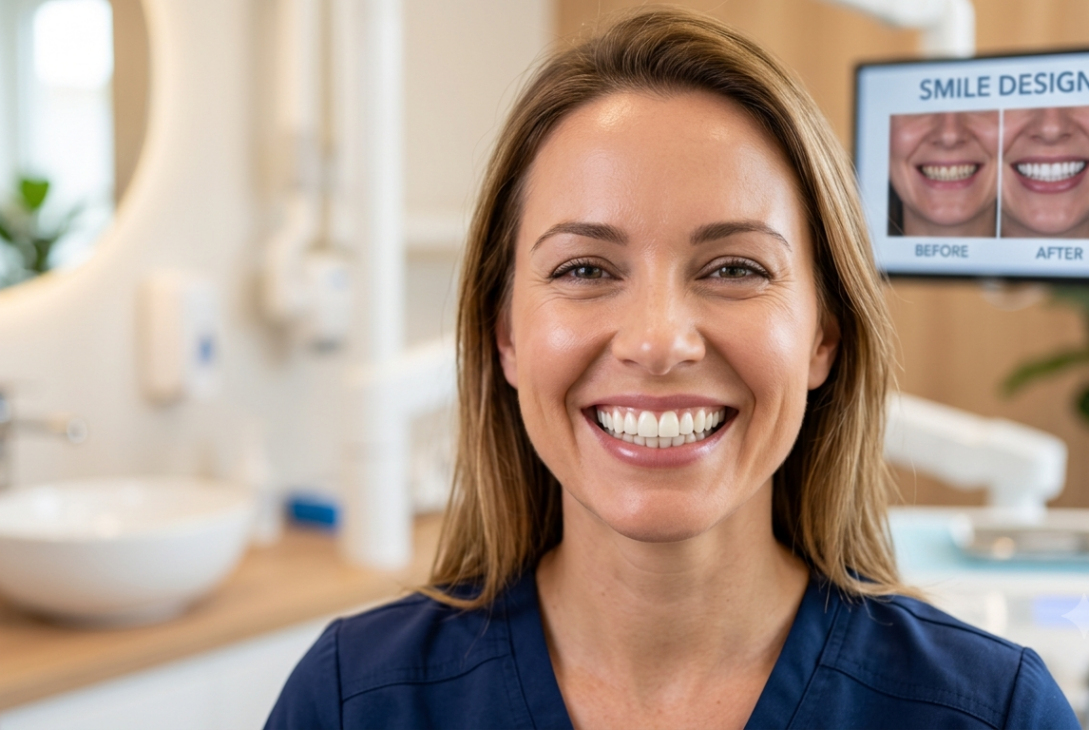
Having multiple dental issues can affect more than just oral health. Difficulties in performing daily functions such as eating, speaking, and even smiling due to missing teeth, chipped or worn enamel, fragile restorations, or recurrent jaw pain. These problems can also wear you down over time, damaging your confidence and causing a poorer quality of life.
Fortunately, advancements in modern restorative dentistry expand the options beyond simply fixing one tooth at a time! A restoration that appeals to both function and aesthetics and is sustainable can be achieved by treating the mouth as a cohesive unit.
Full Mouth Reconstruction is the ideal course of treatment for this transformation because it combines multiple procedures into a personalized plan to restore your smile to its optimal state.
What is a full-mouth restorative?
A full mouth restoration is a tailor-made treatment for rebuilding or replacing nearly all—if not all—of your teeth and enhancing the health of your gums, bite, and jaw function.
Instead of dealing with dental problems one by one, your dentist considers how the entire mouth functions. This holistic evaluation involves not just your teeth and gums but also your jaw joints, bite alignment, facial balance, and overall oral health.
Your treatment will consist of a combination of:
- Dental implants
- Dental crowns
- Dental bridges
- Porcelain veneers
- Periodontal therapy
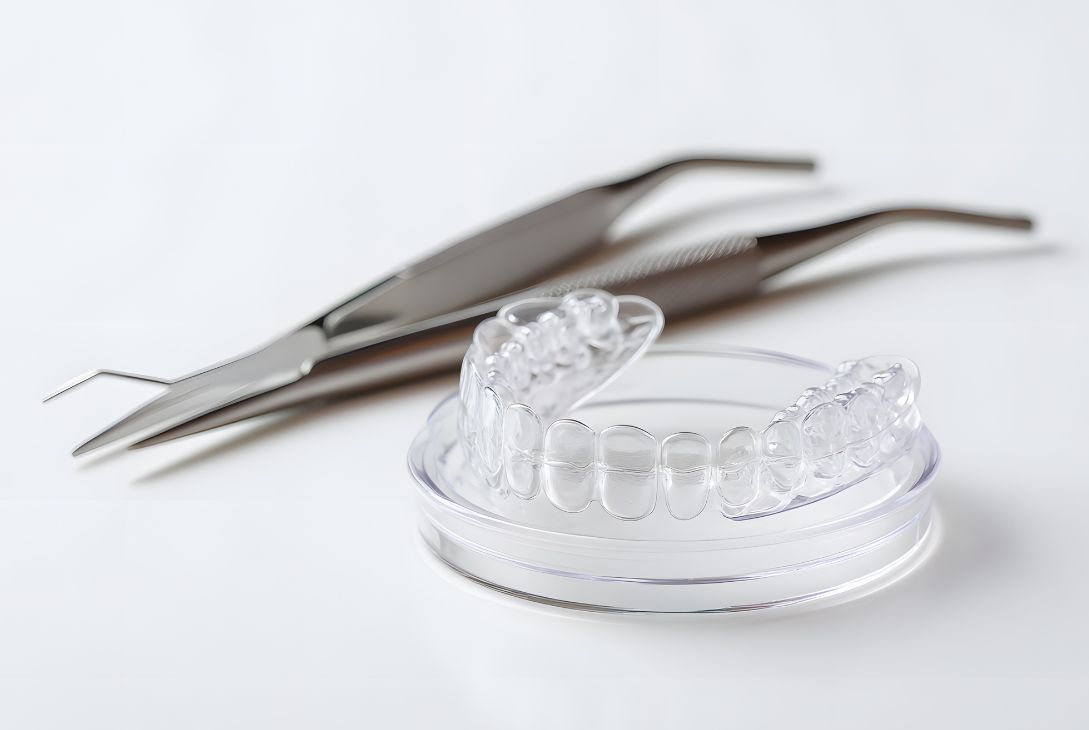
- Bite correction
- Orthodontic treatment
Each recommendation is strategized so that each treatment feeds into the others, generating a smile that looks comfortable, works in harmony, and appears completely natural.
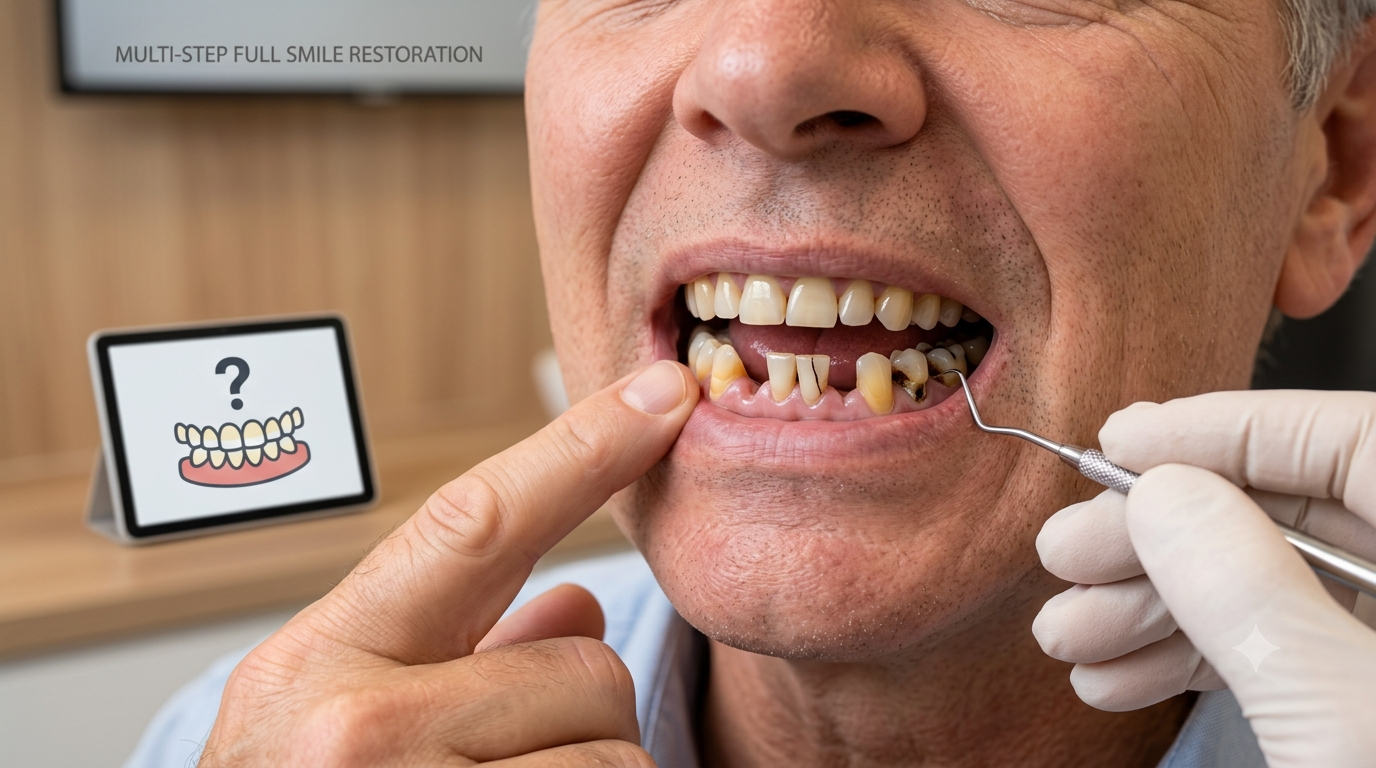
When Could You Require Full Smile Restoration?
It is not uncommon for patients to suffer from dental problems for years before realizing that full dental restoration is the most comprehensive solution.
Now, to figure out if you have a few of these problems, you would possibly want a full restoration remedy:
- Multiple missing teeth
- Worn-down teeth from grinding
- Extensive tooth decay
- Existing restorations that have continued to deteriorate
- Broken or cracked teeth
- Chronic jaw discomfort
- Bite problems
- Difficulty chewing certain foods
- Concern with aesthetics involving several teeth
Comprehensive treatment addresses the underlying processes rather than just fixing single sites or isolated problems over and over again, so we can work to prevent future issues and restore long-term oral health.
Restore Comfortable Chewing and Everyday Function
Patients tend to see the greatest improvements in how much easier life becomes.
Restoring teeth to their proper shape, height, and alignment makes chewing much more comfortable. In fact, many of the food types that seemed to pass you by are now relatively easy to cope with.
In addition to proper bite alignment, it helps spread chewing forces evenly across the jaw, so it does not put the same teeth under overload, which significantly reduces overload on the jaw joints.
Additional functional improvements often include:
- Easier chewing
- Improved speech clarity
- Better bite stability
- Reduced jaw muscle fatigue
- Less strain on temporomandibular joints
- Better inter-oral cleaning capabilities
All of these changes lead to improved comfort during the day and preservation of natural teeth and restorations over the years.
A More Natural-Looking, Healthier Smile
And although the reconstruction is mainly functional, it also naturally restores the aesthetic.
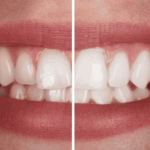
Rather than replacing one broken tooth at a time, your dentist creates every restoration from the perspective of a comprehensive smile. When this happens to a tooth, it may make its shape, colour, spacing, and proportions uniform.
These can vary widely, but in general, many of my patients see improvements like:
- Brighter teeth
- Better symmetry
- Even tooth proportions
- Reduced spacing
- Improved facial balance
- More youthful smile appearance
The overarching plan ensures that every restoration feels like part of a larger picture that, in turn, reads as a single artwork rather than as disparate repairs.
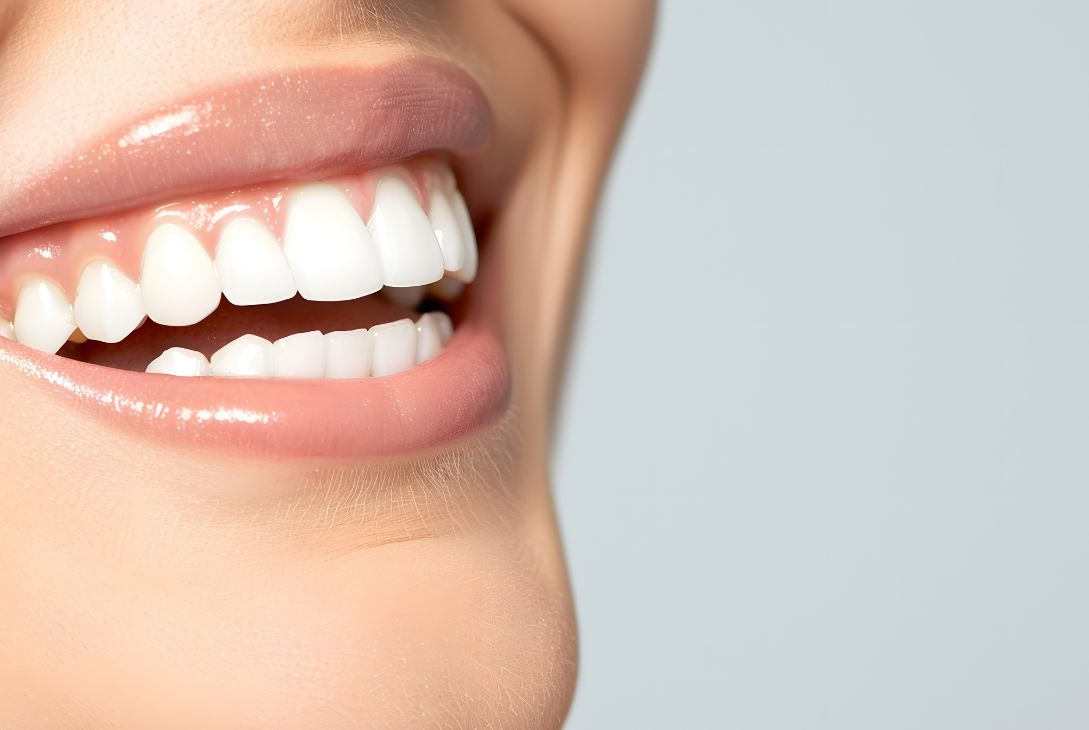
The aim is a natural smile that appears healthy and symmetrical.
The Confidence Boost Goes Beyond Dentistry
Dental neuroses are as much emotional as physical problems.
Many people hide their smiles, avoid being photographed, speak less confidently, or feel uncomfortable in social situations because things are not going the right way with their teeth’s appearance.
Many patients report unexpected boosts in their confidence after completing extensive treatment.
Benefits often include:
- Smiling more naturally
- Feeling comfortable during conversations
- Increased confidence in professional settings
- Improvement of anxiety regarding eating in public
- More inclined to attend social events
- Improved self-esteem
When dental pain is no longer in the picture, and your smile no longer makes you self-conscious, everyday moments are so much easier to be present for.
What to Expect During Treatment
Not only are the patient’s oral health needs different, but so is the treatment plan.
Your first step is usually about doing a thorough examination.
Using digital imaging, photographs, X-rays, and other diagnostic tools, your dentist will assess your teeth, gums, bite, jaw joints, medical history, and treatment goals.
After that assessment is completed, a Roadmap is generated for that person.
It is usually a multi-phase process: if optimized properly, each phase promotes healing in a way that the subsequent phases work toward the desired result.
You may also wear temporary restorations while treatment is underway, so you can continue to eat, speak, and smile comfortably while the permanent restorations are prepared.
Once the final restorations are in place, your dentist meticulously adjusts your bite to ensure lasting comfort, stability, and natural function.
This gradual approach, however, is what takes several months but results in predictable, durable outcomes.
Long-term Oral Health Winning Factors
Good restorative care goes beyond aesthetics; it also supports your long-term health and well-being.
By addressing several issues at once, your dentist can prevent future complications that often arise from untreated dental problems.
Long-term advantages include:
- Lower chance of losing other teeth
- Healthier gums
- Better bite stability
- Improved oral hygiene
- Reduced wear on remaining natural teeth
- Reduced likelihood of needing emergency dental care
- Greater durability of restorations
Good oral hygiene and regular dental visits keep these results for many years to come.
Frequently Asked Questions
Who Qualifies for Full Mouth Reconstruction?
For complex or multiple dental issues — such as multiple missing teeth, wear, serious decay, misaligned bites, or failing restorations — a comprehensive dental treatment plan is developed once the dental exam is complete.
How long does treatment typically take?
The treatment schedules are customized based on the complexity of each case. Many patients undergo treatment within a few months, but advanced cases may take longer to heal and require staged treatments.
Will treatment result in both functional and aesthetic improvement?
Yes. Full-mouth restoration helps restore chewing, speaking, bite alignment, and oral health and can create a more natural, balanced, and attractive smile.
Is the treatment customized?
Absolutely. Each treatment plan is based on your oral health, history, functional requirements, cosmetic goals, and long-term expectations.
What can I do to stay results-oriented?
Brushing daily, flossing every day, having routine professional cleanings, seeing your dentist on a schedule, and following your dentist’s care recommendations all work together to protect your restorations and help you maintain your oral health over the long term.
Step one to a stronger, healthier smile.
If you have been managing recurring dental issues, resorting to temporary fixes, or experiencing discomfort for many years, it could be time for something much more permanent. When you seek tooth restoration, it’s not just about replacing damaged teeth — it’s about restoring confidence, improving daily comfort, and crafting a smile that contributes to your overall health.
When designed specifically for you and maintained with supervised prevention, a full smile rehabilitation can be long-lasting in both function and esthetics. The first step is a thorough consultation, in which your dentist can assess your needs, discuss your options, and create a treatment plan to help ensure you can enjoy a healthier smile — one you are excited to share — for years to come.