
A smile makeover is one of the most intimate and easily visible investments anyone can make in themselves. Veneers, whitening, bonding, a full dental makeover, or something in between (or all of the above) can look, feel, and last with far more realism and comfort or pretenses depending on the clinic you select. Choosing an appropriate provider requires comparing credentials, technology, patient care, and long-term treatment planning, not just prices.
While most people start looking into regular care like teeth cleaning in Houston, cosmetic dentistry requires an exceptionally high level of artistry and clinical precision. Knowing what to look for keeps you from paying for expensive mistakes and ensures your new smile looks realistic and functions properly.
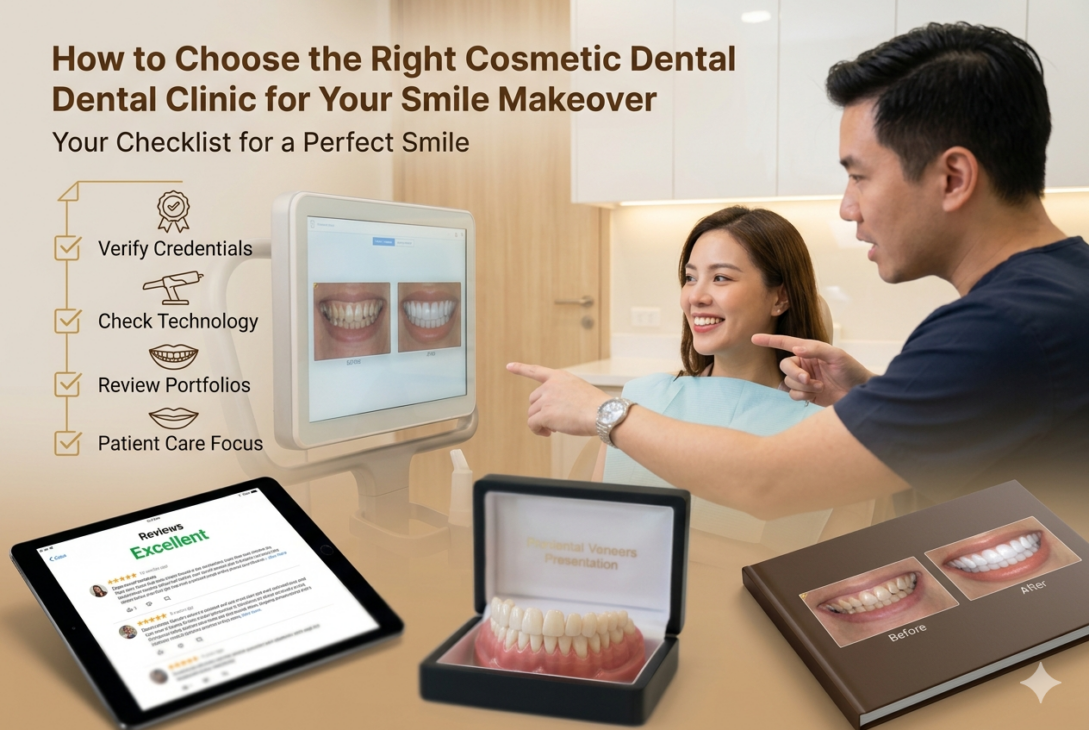
Verify Credentials and Specialized Training
While all dentists are legally allowed to perform cosmetic procedures, not every dentist has advanced training in aesthetic dentistry. Good cosmetic work is a science; it needs a sound knowledge of facial proportions, bite alignment, and enamel conservation. When seeking out clinics, ensure that the professionals you choose have completed surgical programs with an emphasis on aesthetic or reconstructive dentistry, rather than just offering a smile makeover as an occasional service.
Dentists who have performed a large number of veneers, bonding, and whitening can be expected to achieve a look that is more reliably natural and elegant rather than artificial. Find out how many cosmetic cases they do each year. If you want a practical way to gauge expertise, ask for this. When a large volume of cases is completed, they tend to come out more predictably and with refined techniques.
Difference in Technology and Modern Treatment Options
Modern technology has changed how we design and create our smile makeovers. Clinics that invest in modern tools will not only be more comfortable but also provide a more accurate diagnosis. For instance, some software, such as digital smile design, gives patients an idea of the possible results before any treatment takes place. This makes your results fit your face shape and what you expected.
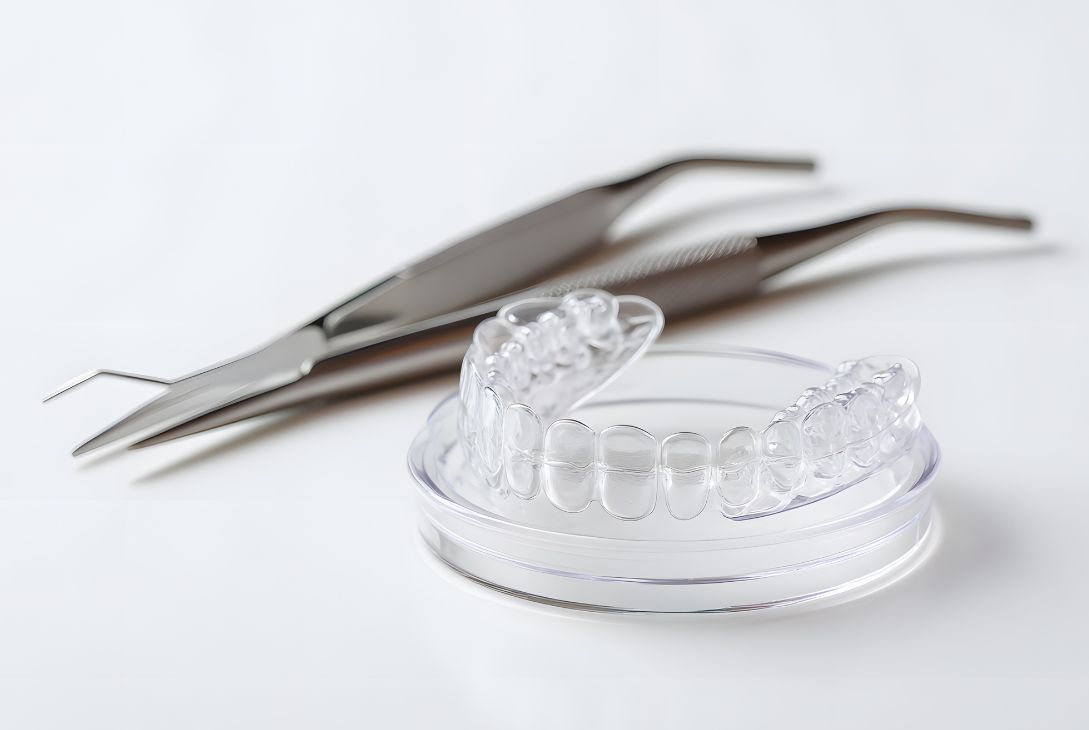
Traditional impression molds have been replaced by intraoral scanners, which send a digital model of your teeth to a computer in seconds, increasing precision with less time in the orthodontist’s chair. Several clinics use 3D printers to develop short-term mockups so you can “test drive” your brand-new smile before agreeing to irreversible restorations. These technologies eliminate the guesswork and considerably improve patient experience.
Review Before-and-After Portfolios Carefully
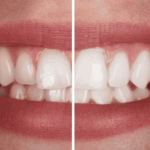
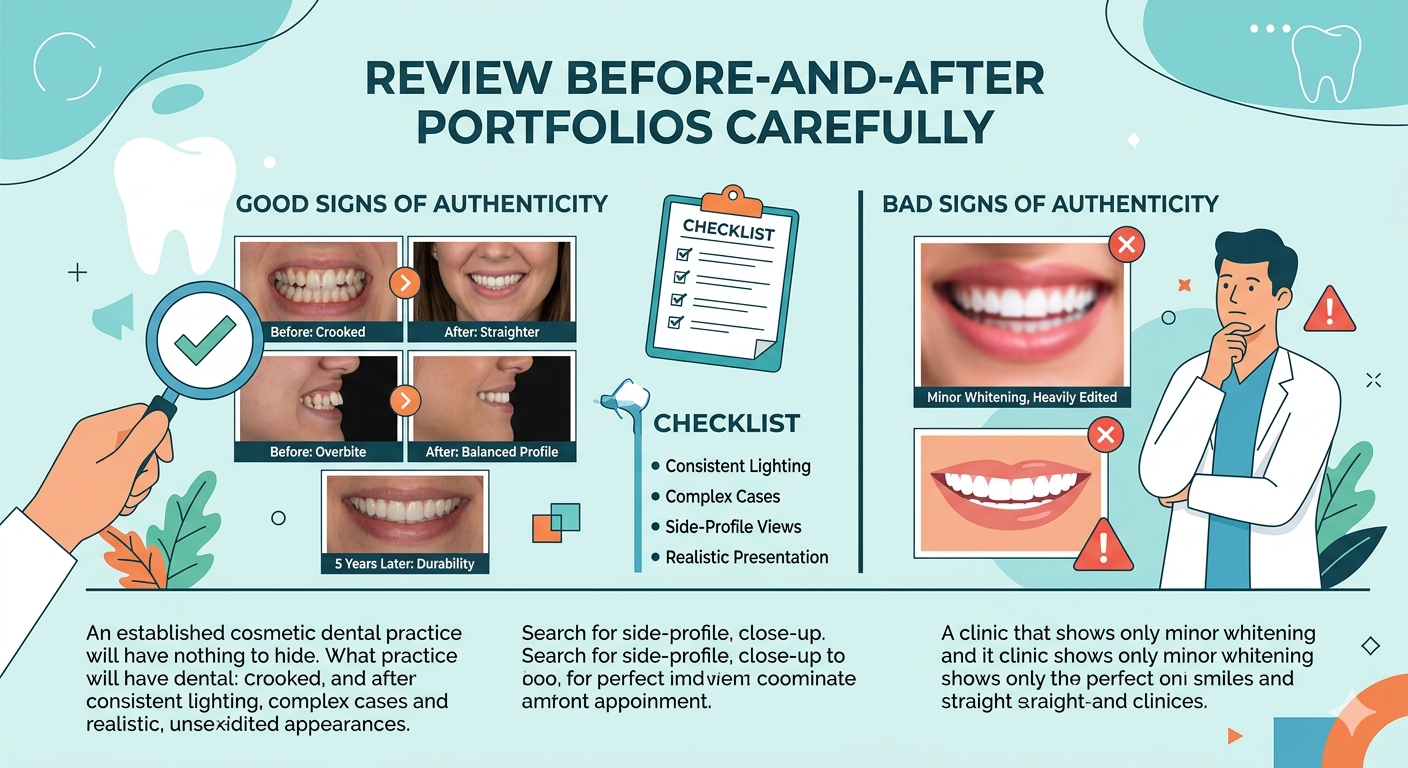
An established cosmetic dental practice will have nothing to hide and can showcase previous cases with pride. Examining before-and-after pictures gives you a sense of the dentist’s eye for beauty, as well as the artist’s expertise in complex cases. Search for side-profile, close-up, and long-term results photos to see how restorations hold up over time, not just perfectly lit, straight-on photographs.
Good signs of authenticity of these galleries are consistent lighting and realistic presentation. A clinic that shows only minor whitening results or heavily edited clinic images suggests it has little experience with advanced cosmetic procedures and is playing it safe.
Appreciate the Complexity of the Consultation Process
For example, a smile makeover consultation should never be rushed. Good clinics spend a lot of time assessing your oral health, facial symmetry, bite alignment, and individual goals before advising on treatment. Digital scans, photographs, and even temporary mockups that offer a glimpse of the expected results are common in a thorough consultation.
You have to make sure that, whatever cosmetic changes you make, you feel comfortable with your bite and jaw function. This is what makes this planning phase essential. It is also easy to think that the paint is sufficient when underlying issues are ignored and simply covered up with a fresh coat of paint, a chipped veneer, or the pain and expense of corrective work will occur later. This is one way to show that the clinic is more interested in long-term results than in a fast-track approach to looking good.
Evaluation of the restorative materials and longevity
Depending on the materials used, the longevity and aesthetics of cosmetic dental work vary. Restorations are custom-made to match surrounding teeth perfectly, as high-quality porcelain and/or advanced composite resins can mimic the natural translucency and strength of natural enamel. Clinics that focus on quality materials often provide longer warranties and more durable results.
You should also inquire about how they are being prepared. Conservative treatments that require the least amount of natural tooth structure to be removed are usually taken with the intention of keeping the tooth intact as much as possible and limiting post-operative sensitivity. So, a clinic whose main focus is conservative dentistry is more likely to prioritize preserving oral health alongside aesthetics.
Think about patient comfort and overall experience
It may take several visits to complete cosmetic procedures; therefore, comfort and communication are crucial parts of your experience. A clinic that provides sedation stations, calm-toned explanations during each phase of treatment, and a dedicated aftercare service goes a long way toward ensuring that patients do not panic throughout the process.
Even the environment can be showcased through the clinic’s professionalism. Well-managed treatment spaces and efficient sterilization processes demonstrate that the practice prioritizes patient safety. If a team answers questions thoroughly and provides detailed post-treatment care instructions, it means they actually care about their patients, want to take their time, and are interested in providing care rather than just getting through treatment as quickly as possible.
Take Note of Reviews and Find Consistent Patient Satisfaction
This can help clarify how a clinic actually operates beyond the marketing materials it puts together. Worry less about star ratings and more about commonalities in patient comments. Comments on clear communication, natural-looking results, and pain-free treatment are signs of a winner.
Red flags should also go up if you hear repeated complaints about rushed visits, inadequate continuing care, or unexpected charges. Authentic sentiments usually focus on both the technical and emotional aspects of the patient journey.
Look for a Long-Term Treatment Philosophy
A smile makeover is not a single cosmetic upgrade; rather, it is part of a comprehensive oral health plan. Well-respected clinics, however, will focus on bottom-line maintenance and call for regular cleanings, checkups, and protective measures to enhance restorations. That means your investment continues to earn returns years after the original procedure.
Dentists who mention ongoing maintenance with future wear or lifestyle concerns are taking a long-term view of your outcomes, rather than just how good the result looks today.
Frequently Asked Questions
Am I a suitable candidate for a smile makeover?
Cosmetic procedures are suitable for nearly any adult with healthy gums and stable teeth. However, if there are underlying issues, such as gum disease, cavities, or bite misalignment, they are typically treated before any cosmetic work is performed. A full consultation will dictate the order in which your treatments should take place.
Are digital smile previews accurate?
Digital previews are generally very accurate in terms of the tooth’s final shape, alignment, and color. Subtle adjustments may be made to the final fab, but these previews closely resemble the final build and assist with treatment choices.
Dental, cosmetic, or other forms of restorations: how long do they last?
Dental veneers, bonding, and crowns can be long-lasting; however, they are affected by the quality of material, how well you look after your teeth, and other factors such as grinding and smoking.
Is a smile makeover painful?
Generally, skin or facial rejuvenation procedures are minor, and you may require local or general sedation to keep you calm while they work. Patients often report little more than mild tenderness or discomfort after treatment, and this usually resolves within days.
What to Avoid after a cosmetic dental procedure
Biting hard objects, eating foods that cause deep staining, and skipping routine post-procedure check-ups should be avoided. Aftercare instructions from your dentist can help maintain the color, shape, and structure of your new smile.
How to Make a Confident, Informed Decision
However, doing thorough research, asking important questions, and understanding what you expect from a cosmetic dental clinic can help you find the right place. When you consider credentials, technology, materials, and patient care practices, you will find a provider who can not only beautify you but also help you preserve your oral health for years to come!