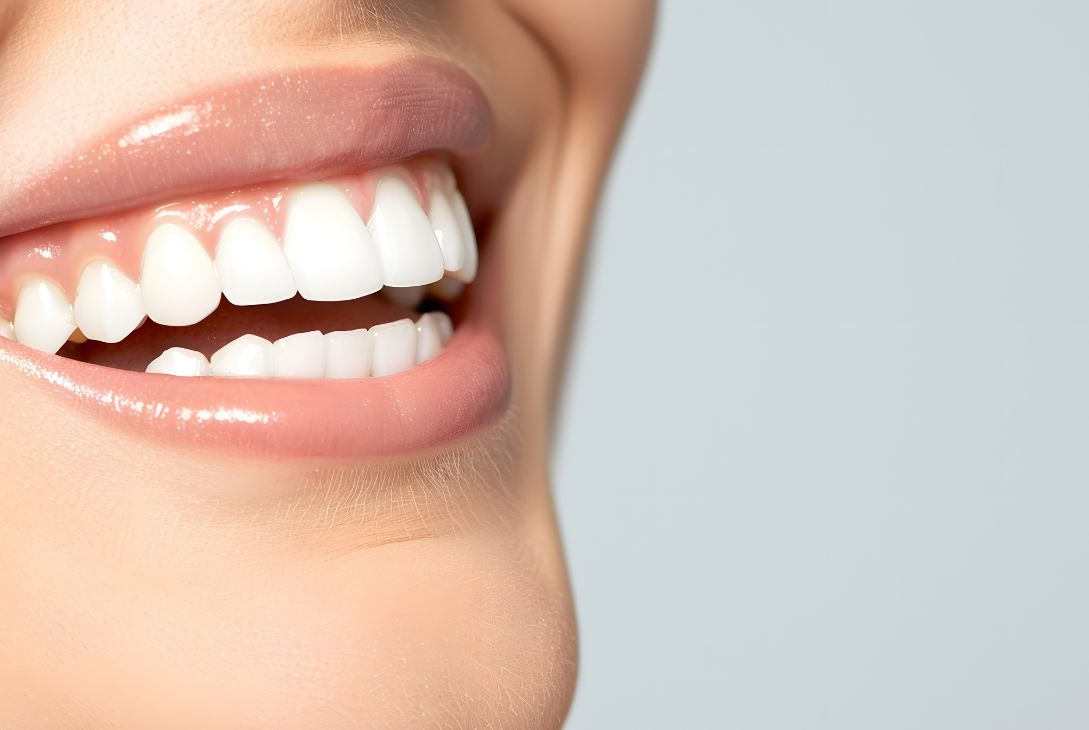

A smile is more than just a facial expression; it is a gateway to your confidence and a vital component of your overall health. When teeth become damaged, decayed, or lost, it affects more than just your reflection. It impacts how you speak, what you eat, and how you interact with the world.
Fortunately, the days of obvious, “fake-looking” dental work are over. Restorative dentistry has entered a new era where science and artistry converge. Today, dental professionals can rebuild the structural integrity of your mouth while ensuring the results are virtually indistinguishable from your original teeth.
Whether you are dealing with a nagging cavity or missing several teeth, modern techniques offer a path back to a functional, beautiful smile. Let’s explore how these advancements are changing lives one tooth at a time.
What is Restorative Dentistry?
At its core, restorative dentistry focuses on the management of oral health problems and the restoration of the mouth to a functional and aesthetic state. While cosmetic dentistry aims primarily at appearance, restorative care prioritizes health and durability.
The beauty of modern restorative dentistry is that you no longer have to choose between a tooth that works and a tooth that looks good. Using biocompatible materials and digital planning, dentists can now replicate the light-reflecting properties of natural enamel.
This field covers everything from simple fillings to complex full-mouth reconstructions. By addressing issues like decay, fractures, and tooth loss early, you can prevent more invasive and costly procedures in the future.
The Evolution of Materials: Strength Meets Aesthetics
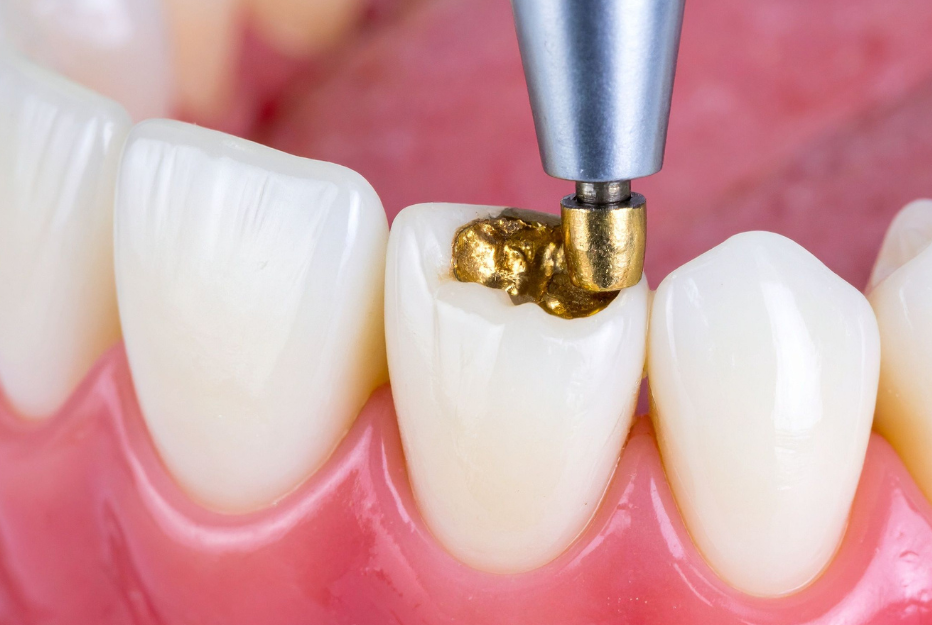
In the past, dental restorations were often synonymous with “silver” (amalgam) fillings or gold crowns. While durable, these materials stood out against natural teeth. Today, the focus has shifted toward materials that mimic nature.
High-Strength Ceramics and Zirconia
Modern crowns and bridges often utilize zirconia or high-quality porcelain. These materials are incredibly tough, capable of withstanding the intense pressure of chewing, yet they possess a lifelike translucency. They don’t just sit on top of your tooth; they blend into your smile.
Composite Resins
For smaller repairs, composite resins have replaced traditional metal fillings. These resins are pliable, allowing the dentist to sculpt them to the exact anatomy of your tooth. Once hardened with a specialized light, they bond chemically to the tooth structure, providing extra support.
Core Procedures for a Complete Smile Transformation
No two smiles are the same, which is why restorative dentistry relies on a customized approach. Depending on your specific needs, your dentist might recommend one or more of the following “gold standard” treatments.
1. Tooth-Colored Fillings
Decay is the most common dental issue worldwide. Modern fillings use composite materials that are color-matched to your enamel. Because these materials bond directly to the tooth, dentists can often remove less of the healthy tooth structure compared to old-school methods.
2. Dental Crowns (The Protective “Cap”)
When a tooth is cracked, severely decayed, or weakened by a large filling, a crown is the best solution. It acts as a protective sleeve, encasing the entire visible portion of the tooth. According to the American Dental Association, crowns are essential for saving teeth that would otherwise require extraction.
3. Dental Implants: The Permanent Solution
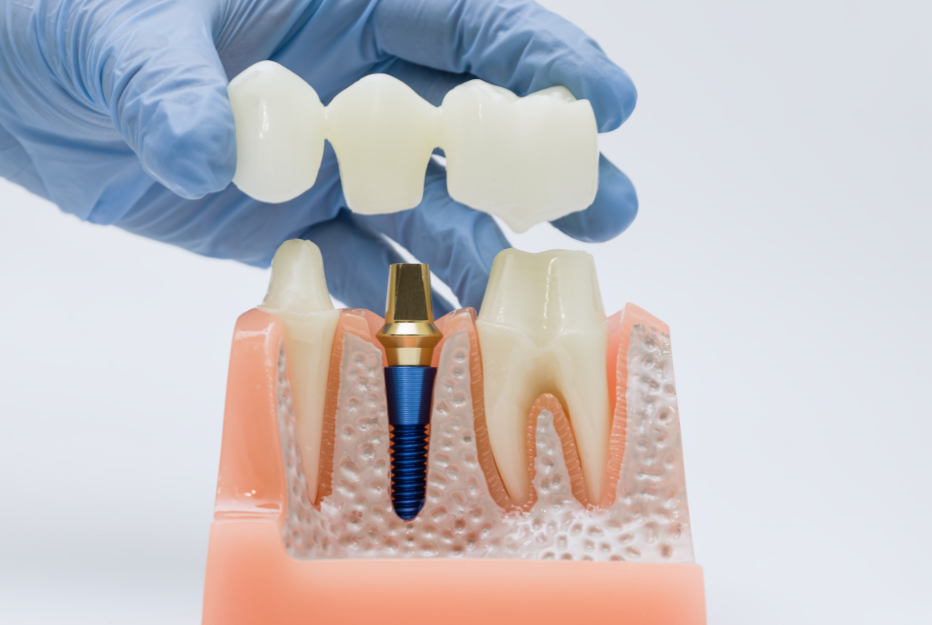
If you are missing a tooth, a dental implant is the most effective replacement. Unlike bridges, which rely on neighboring teeth for support, an implant involves a titanium post placed directly into the jawbone. This post acts as a synthetic root, preventing the bone loss that typically follows tooth loss.
4. Inlays and Onlays
Sometimes a cavity is too large for a filling but doesn’t quite justify a full crown. This is where inlays and onlays come in. Often called “partial crowns,” these are custom-made in a lab to fit into the grooves of your tooth like a puzzle piece. This “conservative” approach preserves more of your natural tooth.
5. Advanced Bridges and Dentures
For those missing multiple teeth, modern bridges and dentures offer a second chance. Gone are the days of bulky, slipping “false teeth.” Today’s dentures are lightweight and designed using digital impressions to ensure a snug, comfortable fit that supports your facial structure.
The Digital Revolution: Precision and Comfort
The “dread” often associated with the dentist is largely a thing of the past, thanks to technological breakthroughs. Restorative dentistry is now faster, more accurate, and significantly more comfortable for the patient.
Intraoral Scanners and 3D Imaging
Remember the messy, goopy putty used to take impressions? Digital scanners have replaced them. These handheld wands create a 3D map of your mouth in seconds. This data is then used to design restorations with a level of precision that was previously impossible.
CAD/CAM and Same-Day Dentistry
Computer-Aided Design (CAD) and Manufacturing (CAM) allow some dental offices to mill a permanent crown right in the office. This means you can walk in with a broken tooth and walk out with a permanent, high-quality restoration in a single appointment. No temporary crowns, and no second visits.
Minimally Invasive Laser Dentistry
Tools like the Solea dental laser are changing the patient experience. Lasers can often remove decay or reshape gum tissue without the need for traditional drilling. In many cases, this technology is so precise and painless that patients don’t even require local anesthesia.
Why Restorative Care is an Investment in Your Health
Choosing to undergo restorative dentistry isn’t just about vanity; it’s about your long-term well-being. Leaving a damaged tooth untreated can lead to a cascade of oral health issues.
-
Preventing Tooth Shifting: When a gap is left by a missing tooth, surrounding teeth begin to tilt and drift. This can ruin your alignment and lead to bite problems.
-
Supporting Nutrition: If it hurts to chew, you may avoid crunchy, healthy foods like fruits and vegetables. Restoring your teeth restores your ability to maintain a balanced diet.
-
Clearer Speech: Our teeth play a crucial role in phonetics. Restoring missing or broken teeth helps you speak clearly and confidently.
-
Jawbone Preservation: Implants stimulate the jawbone, preventing the “sunken” facial appearance that often occurs with long-term tooth loss.
Maintaining Your Restored Smile
Once you have reclaimed your smile through restorative dentistry, maintaining it is simple. The rules are the same as they are for natural teeth: brush twice a day, floss daily, and visit your dentist for regular cleanings.
Modern restorations are designed to be durable, but they aren’t indestructible. Avoiding habits like ice-chewing or using your teeth as tools will ensure your crowns, veneers, or implants last for decades. For more tips on maintaining oral health, check out our comprehensive guide to preventative care.
Conclusion: Take the First Step Today
Your smile is one of your most valuable assets. If you have been hiding your teeth due to damage or decay, remember that modern restorative dentistry offers solutions that are more effective and accessible than ever before.
From the subtle repair of a tooth-colored filling to the life-changing impact of dental implants, the goal is always the same: to give you back a smile that feels natural and functions perfectly. You don’t have to live with discomfort or embarrassment.