
As children build experiences with the dentist at a young age, their approach to oral health as adults is shaped. It builds self-assurance, lessens anxiety, and creates lasting protective habits. This is precisely why Pediatric Dental Specialists are an indispensable part of children’s health services. They don’t just fix cavities; they treat kids as developing, emotional, and growing little people.
Paediatric dental specialists, unlike family dentists, focus exclusively on the needs of children and adolescents. Their practice is preventative, and they aim to positively shape children’s attitudes, moving them from anxious about visiting the dentist to relaxed.
Specialized Training That Makes a Real Difference
To put it simply: additional years of study beyond dental school, focusing on the mouth and teeth of children and adolescents, are required to become a paediatric dentist. This training covers primary teeth, jaw development, growth patterns, and differences between childhood and adult dental problems. They understand the changes in teeth from the infant phase through to adolescence and how to tailor dental care to each phase.
Children’s dentists also receive special training, which helps them identify issues such as delayed eruption and potential bite problems, and mitigate them before they escalate to a degree that warrants significant interventions later on.
Ensuring that Parents and Children are Reassured and at Ease
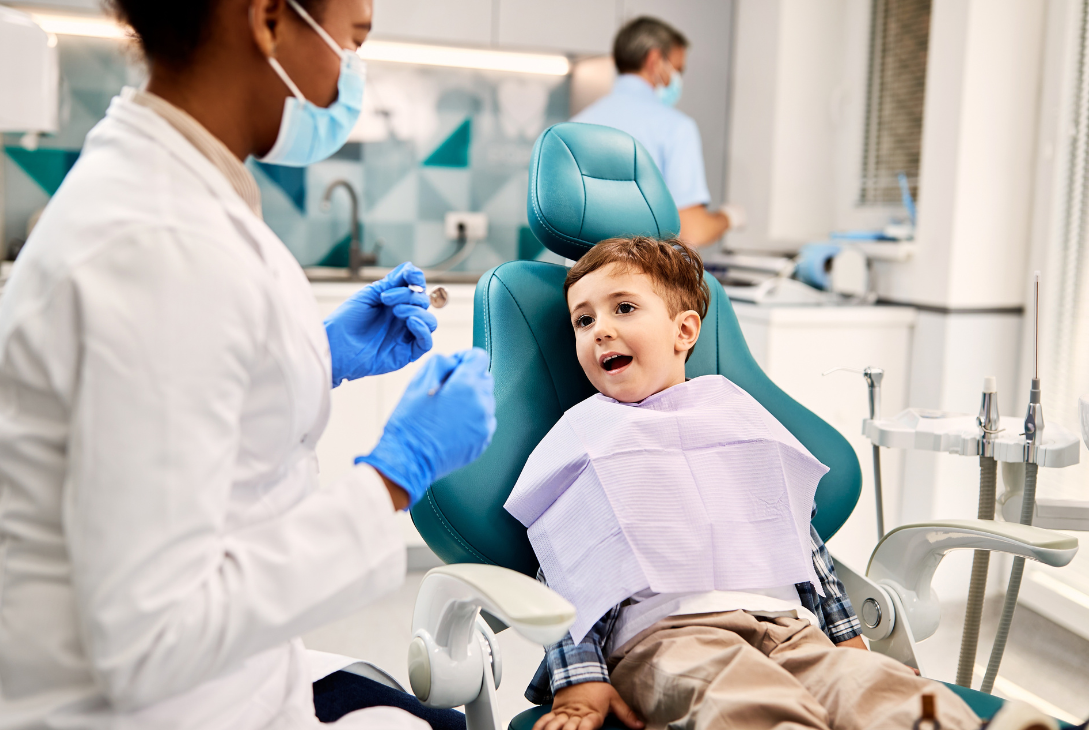
Dental anxiety can occur at an early age and is common amongst children who have had early unpleasant experiences during dental visits. Paediatric dentists are trained specialists who are taught to apply child psychology and behaviour management strategies to create a comfortable experience. Through calm, simple explanations, praise, and progressively less invasive use of tools, they make children feel more in control rather than overwhelmed.
This is a process of gaining a child’s trust. Dentists who make children feel comfortable and at ease are more likely to have patients who are willing to collaborate and communicate when they are experiencing a dental problem or concern.
Dental clinics also encourage child participation from an educational perspective, and the use of bright colours, entertaining props, and child-sized tools distracts from dental anxiety and fear, encouraging children to engage with their teeth and active dental processes.

Prevention Comes Before Treatment
Paediatric care is advantageous because it focuses on prevention. Regular appointments are not only a good idea but also beneficial for determining the best prophylaxis strategy. These types of appointments can include professional cleanings, fluoride treatments, sealants, and many more, which can be used to prevent cavities.
Preventive care can save your child from future hassles like multiple fillings, numerous injections, pain, and the potential for injury. Teaching children to care for their teeth will be beneficial in the long run.
Guiding Healthy Habits Early
Paediatric specialists dedicate considerable time to instructing families. They guide parents on how to brush a toddler’s teeth, how to floss, which snacks can be eaten, and the effects of sugar, while also addressing thumb-sucking, pacifier use, and nighttime bottles, as these can be detrimental to a child’s jaw development.
In the long run, these preventive measures will be advantageous, as they will help protect the child from speech problems, the need for braces, and other oral issues.
Monitoring Growth and Development
As children age, their mouths and jaws will undergo many changes. These include shifting teeth, growing jaws, and patterns and shifts in their bite. These changes need to be monitored to ensure they are prepared and stay on track with their development.
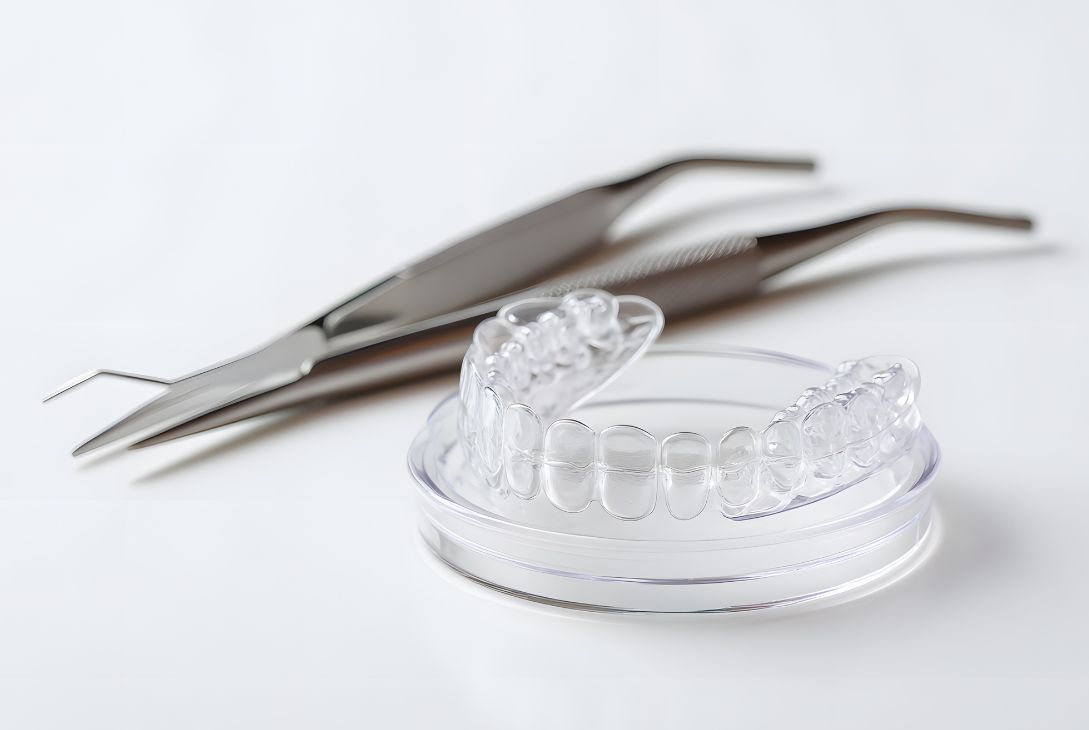
If they need braces, they will be referred to an orthodontist. Early intervention is often less burdensome in cases that require more invasive or complex procedures. In addition, having braces will take less time.
Assisting Children With Diverse Needs
Children may need specialised attention due to sensory sensitivities, behavioural difficulties, or other medical concerns. Some children’s specialists possess the ability to modify their approach to meet the needs of children who experience autism, ADHD, anxiety, or physical disabilities.
Regardless of a child’s needs, specialists may modify their style to be communicative, schedule-oriented, or treatment-based, while creating a relaxed and safe environment.
Anticipating Dental Emergencies in Youth
Young children are extremely active, so something is always happening. Dental injuries can occur because of falls, sports injuries, and even accidents at the playground. Paediatric dentists are trained in the nuances of handling dental trauma in developing mouths, which differs vastly from the care of trauma in adult mouths.
They can address issues involving chipped teeth, avulsed (knocked-out) baby teeth, and injuries to the growing and developing structures of the jaw.
Creating Positive Experiences in Dentistry
Trust and familiarity are built up when a child visits the same paediatric dentist year after year. Children become comfortable enough to ask questions and state when something feels uncomfortable. This experience and relationship with a dentist alleviate the anxiety one would normally associate with dental visits and encourage the formation of good dental care habits.
Children who experience dentistry positively are the ones most likely to continue caring for their teeth as adults.
Involving Parents in Oral Education
Paediatric dental care involves adult education too. Parents are supported in brushing, diet, and normal/abnormal changes. Families are educated and supported in every stage of development, which is much better than guesswork. Knowing and understanding these changes also helps establish the framework for the long-term success of the child’s oral development and health.
This framework is particularly important for fostering and developing behavioural changes.
Common queries
When is the first dental visit?
Child dental visits should occur before the first birthday or the first tooth eruption. The first visits should prioritise dental education and preventative dental care.
Are lost milk teeth a big deal?
Early tooth loss, including milk tooth loss, is important for speech, nutrition, and jaw development. Early tooth loss can lead to cavities and misalignment of the jaw.
How do I prepare my child for a dental visit if they are scared?
Child-friendly dental clinics prioritise discussing tooth loss and being gentle with children, as these are the primary ways to reduce fear. The right strategies should help your child be less anxious with each visit.
Do paediatric dentists deal with orthodontics?
They track overall development and bite and refer to orthodontics to prevent more complex issues in the future.
Why Is Your Child’s Dental Care Important?
Your child’s smile is an important part of their identity, and being cavity-free is important to their overall health and well-being. Paediatric dental treatment is about establishing a foundation for future healthy smiles. Paediatric specialists go beyond the routine dental treatment and also provide emotional support and comfort to help with a child’s development.
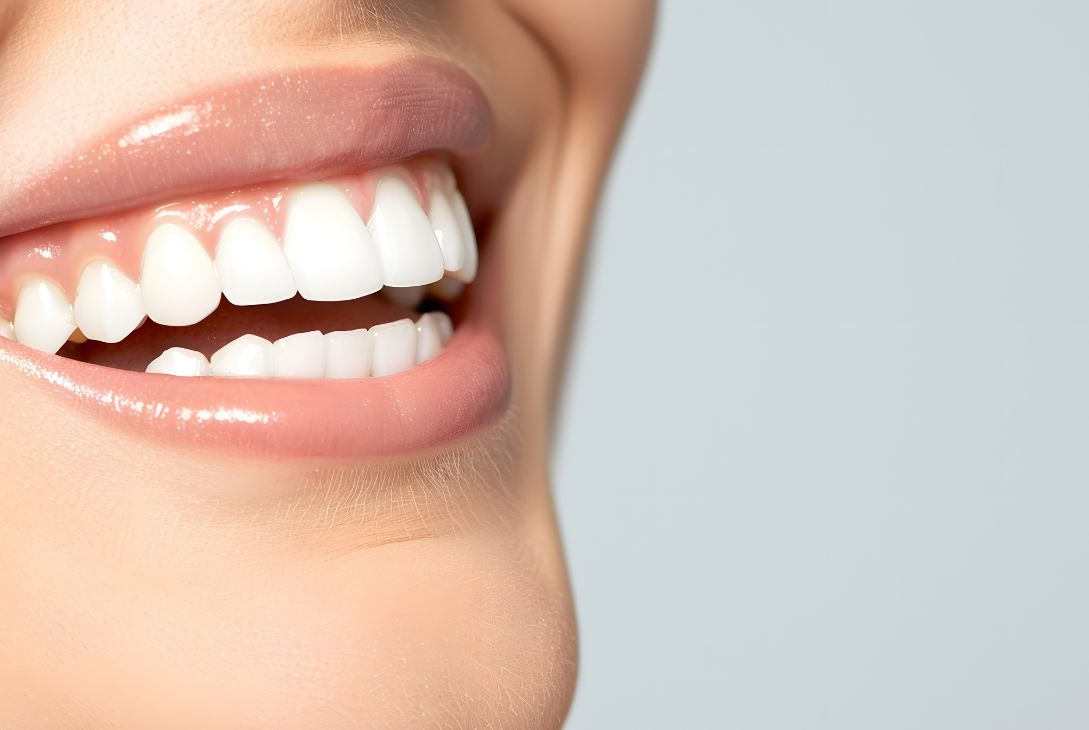
When dental care is tailored for children, informed by paediatric expertise, and is delivered with patience, the outcome is children growing up with healthier, happier, and more confident smiles.