

When people consider attractive smiles, they usually focus only on straight, white teeth. Nevertheless, what makes the key to a beautiful and healthy smile is your gums. Well-developed, strong gum tissue surrounds your teeth, anchoring the bone structure and keeping everything in line. When gum health deteriorates, even perfectly shaped teeth may begin to appear uneven, taller, or discolored. This is why periodontal treatment is so important for oral health and the beauty of the smile. Understanding how gum disease develops and how it can be treated in modern dentistry helps you maintain your smile over the long term.
The Best of Using Healthy Gums to Make Your Smile
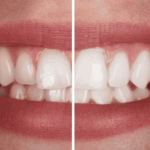
Healthy gums provide an even border where teeth meet soft tissue. They look solid, light pink, and sharply clamp around every tooth. It is a tight seal that helps prevent bacteria and makes your smile just as symmetrical and youthful as possible. In cases of gum inflammation or recession, they may appear longer or uneven. Lying bare roots might appear darker than enamel and may be more sensitive or cause discomfort. There may also be tooth movement, spacing issues, and even tooth loss over time due to untreated gum disease, which can have severe consequences for appearance and function.
Beyond aesthetics, gum health is directly connected to overall health. The damaging bacteria present in infected gums may enter the bloodstream and have been linked to other systemic disorders, including complications of heart disease and diabetes. This is why gum care is a vital part of both oral and overall health.
How to Know the Stages of Gum Disease
Gum disease is a progressive condition that typically occurs in phases, with mild inflammation followed by severe tissue and bone loss if left untreated.
Gingivitis: The Analytical and Reversible Phase
The first type of gum disease is gingivitis, brought about by the accumulation of plaque along the gumline. Some symptoms include redness, swelling, and bleeding when brushing or flossing. At this point, the damage is not yet irreversible, and with professional cleaning and better oral hygiene habits, it can be undone.
Periodontitis: Severe and More Progressive
If gingivitis is left untreated, it may progress to periodontitis. Bacteria in this phase multiply below the gumline, leading to deeper pockets between the gums and teeth. Plaque and tartar accumulate in these pockets, causing progressive loss of supporting bone and connective tissue. Later on in the progression of the disease, teeth become loose or lose their position. Continuous bad breath, gum recession, and sensitivity are also warning signs. Regular dental checkups are important for preventing permanent damage through early detection.
Alternatives to Surgical Therapy of Gum Disease
Many cases of gum disease do not require surgery, particularly when diagnosed at an early stage. Deep cleaning, also known as scaling and root planing, is one of the most common treatments. This process removes hardened plaque and bacteria beneath the gum line and levels the root surfaces, helping the gums reattach to the teeth more securely.
There is also the increased popularity of laser-assisted therapies. These treatments involve applying selective energy to destroy infected tissue and bacteria while causing minimal harm to normal structures. Patients also experience less pain and recover more quickly than with conventional methods.
These procedures can be supplemented with antimicrobial medications to manage infection and minimize the risk of infection. Collectively, these methods prevent disease progression and restore the gums to a healthier state.
Advanced Case Surgical Procedures
In cases where gum disease has resulted in deep periodontal pockets or bone loss, surgical procedures might be required to stabilize the teeth and reconstruct lost tissue. Flap surgery is a procedure in which the gum tissue is lifted to access deeper parts of the infection and clean them. After thoroughly cleaning the root, the gums are repositioned and secured to provide a better seal around the teeth.
Regenerative procedures can be prescribed when bone is lost. Such procedures rely on bone grafts or special proteins that trigger the reorganization of supportive tissue. Over time, the body begins to regenerate lost bone, contributing to the strength of the teeth. Another common treatment for gum recession is gum grafting. Dentists can create a natural gumline and shield sensitive areas by covering exposed roots with additional tissue to prevent further damage.
New Technology That Advances Gum Care
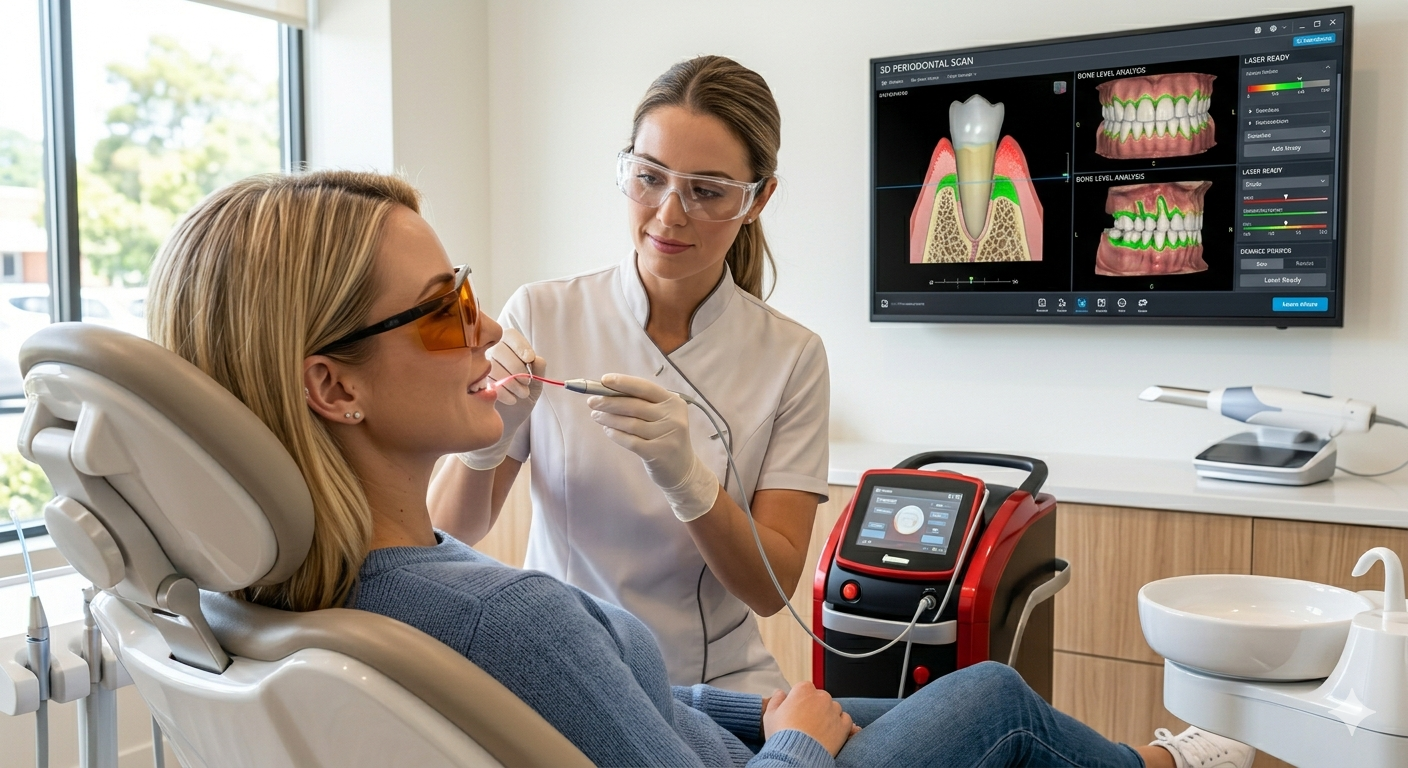
Recent developments in dental technology have made the diagnosis and treatment of gum disease more accurate than ever. Clinicians can detect changes in the gums and bone levels at an earlier stage using digital imaging and sophisticated scanning tools, before symptoms become severe.
Laser-based therapies have offered alternative methods of minimally invasive treatments to conventional surgery. These procedures reduce bleeding, shorten healing times, and help preserve a greater portion of natural tissue. Other new therapies aim to leverage the body’s ability to self-heal and restore damaged bone structures and gums. Individualized treatment options, grounded in bacterial analysis and personal risk factors, are on the rise and help clinicians design interventions unique to each patient.
Everyday Routines That Are Useful in Keeping Gums Healthy
Although professional care is vital, daily oral hygiene is also extremely important in preventing gum disease. Using a soft-bristled toothbrush twice a day, flossing, and using an antimicrobial mouth rinse can greatly reduce plaque accumulation.
Lifestyle also influences gum health. Smoking increases the risk of developing gum disease and slows healing after treatment. A nutritious, balanced diet, rich in vitamins—particularly vitamin C and vitamin D—aids tissue healing and immunity. Professional tooth cleaning and regular dental checkups help detect and prevent gum issues before they develop into more severe problems.
The Support of Cosmetic Dental Treatments by Gum Health
Healthy gums play a very important role in cosmetic work. Veneers, whitening, and orthodontics are more effective and last longer when gum disease is controlled. For example, inflamed or receding gums may affect the fit of veneers or the uniformity of teeth whitening results. With a healthy gum base, patients achieve more predictable and attractive cosmetic results. In some instances, gum-shaping procedures are performed to enhance smile symmetry, making teeth appear more balanced and even.
Frequently Asked Questions
Does gum disease hurt all the time?
Not always. Gum disease develops silently, particularly in its early stages. Most individuals fail to realize symptoms until the condition has worsened, highlighting the importance of regular dental checkups.
Is there a full cure for gum disease?
Gingivitis can be addressed at its early stage and reversed. Advanced gum disease may not necessarily be cured, but it can be controlled and maintained through professional care and regular dental hygiene.
What is the recovery time of gum procedures?
Recovery time depends on the procedure. Non-surgical methods may only cause a few days of slight sensitivity, whereas surgical procedures may take several weeks for full recovery.
Do gum treatments involve insurance?
Most gum disease treatments are medically necessary rather than cosmetic, which may allow partial insurance coverage.
What is the outcome of untreated gum disease?
Untreated gum disease may cause progressive bone loss, loose teeth, and tooth loss. It can also contribute to broader health problems since bacteria may enter the bloodstream.
Why a Healthy Gum Is Your Ticket to a Healthy Smile
It is not merely straight, white teeth that create a bright smile, but strong, healthy gums that hold the teeth and frame them. By recognizing early symptoms of gum disease and seeking timely treatment, you can preserve your teeth and maintain the natural beauty of your smile for years to come.