
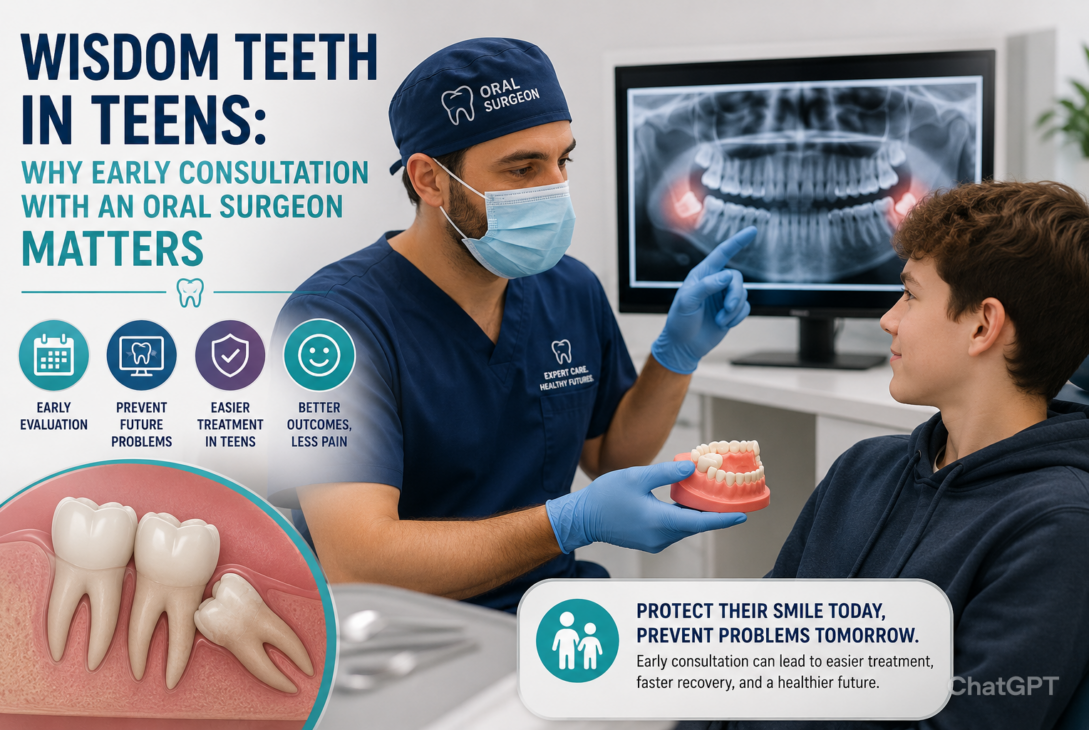
Wisdom teeth are often a rite of passage growing up, but not always an innocuous one. These third molars often erupt in a way that leads to discomfort, crowding, infections, and even damage to neighbouring teeth; hence the need for their extraction in many teenagers. The teenage years are the best time to have wisdom teeth scanned, as they tend to appear between the ages of 17 and 25 and can often lead to problems.
Parents can make informed decisions early, before problems become serious,s by having their child evaluated by a pediatric oral surgeon as soon as possible, ideally by age 5. Proactive care enables early detection of risks, allowing specialists to work with the teen to develop a treatment plan that suits their overall oral health needs, rather than waiting for symptoms to appear.
What Are Wisdom Teeth?
Wisdom teeth refer to the last set of molars at the end of your mouth. Most adults have four fewer wisdom teeth, or none at all. These once-upon-a-time chompers were helpful to our ancestors, who needed extra grinding power to get through their coarse diets. But nowadays jaws are generally too small to fit them comfortably.
When the jaw does not have sufficient space to contain these teeth, they can become impacted, meaning they are trapped beneath the gums or jawbone. Some may develop sideways or come up only partially, which makes them more likely to become infected and irritated.
These problems can develop slowly, and many teens may not recognize a problem until pain or swelling begins.
Why Early Consultation Matters
Prevention is one of the biggest advantages of seeking early consultation. Wisdom teeth can cause problems that may not show up until long after you have them removed (or not). Oral surgeons closely examine developing molars using dental imaging to determine whether they will cause complications down the road.
Early action can save you from infections, gum illness, tooth decay & pressure on adjacent teeth. This also lowers the chances of dental emergency visits due to sudden pangs of pain or swelling.
Keeping an eye on wisdom teeth while teenagers are still at home can help families make choices before a lot of pain and discomfort becomes necessary.
Many People Find the Procedure Easier in Their Teens
Age is an important factor in wisdom tooth treatment. Older patients take longer to recover because the roots of their wisdom teeth have hardened and their jawbone has lost its ability to bend readily.
This often means:
- Easier extractions
- Shorter surgical procedures
- Less swelling and discomfort
- Faster healing time
- Lower risk of complications
If you remove a wisdom tooth in adulthood, it will be more difficult because the root has grown longer and the tooth is more firmly anchored in the jawbone.
So for many teens, if there are any problems, dealing with wisdom teeth sooner leads to a smoother experience overall.
Protecting Orthodontic Results
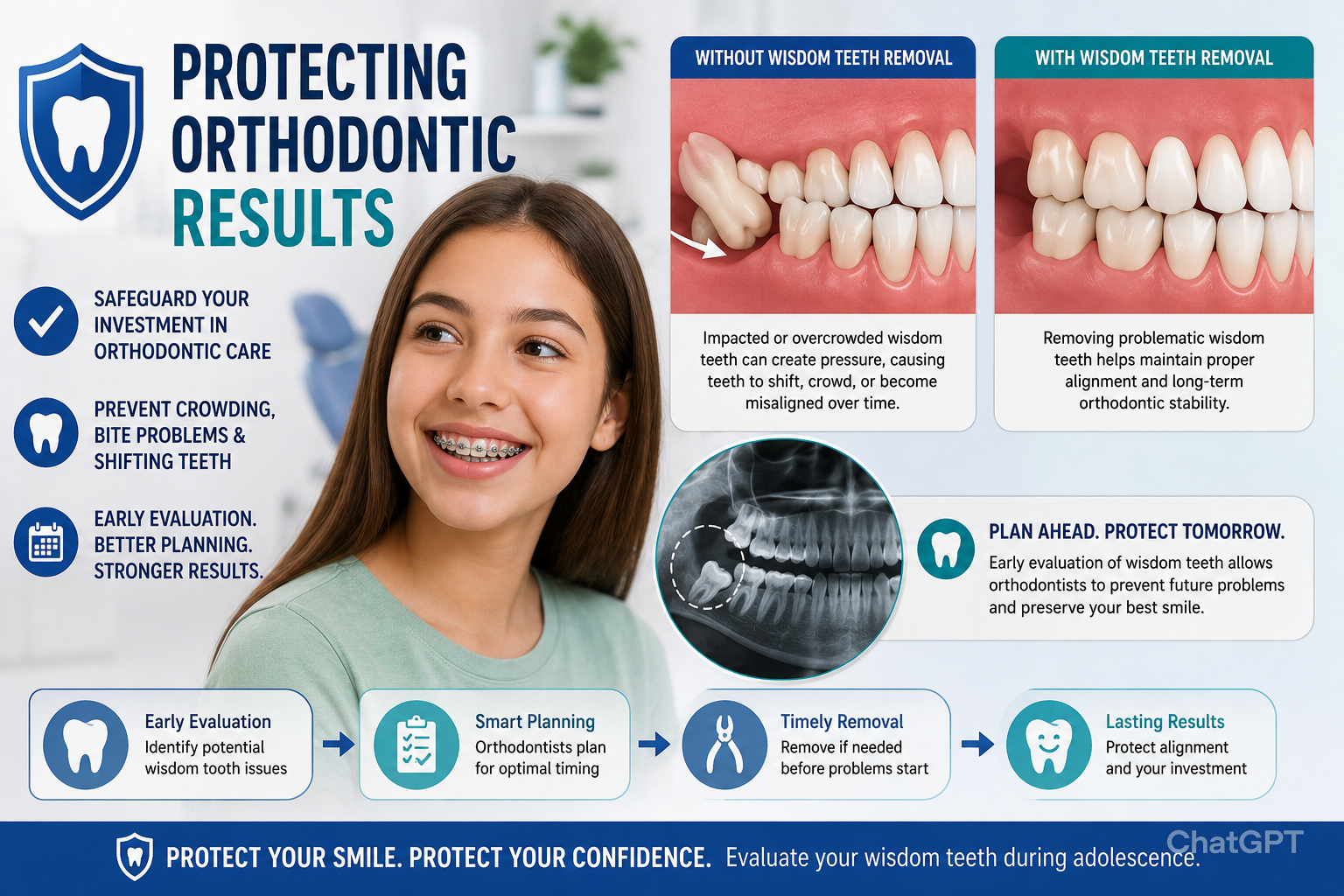
For teens who are done with braces or aligner treatment, monitoring the development of their wisdom teeth is key. The jaw is sometimes too small for the teeth, and as a result, the pressure can affect the neighbouring teeth and the overall alignment.
Wisdom teeth aren’t always the only culprit behind shifting teeth, but impacted or overcrowded molars can create bite and spacing problems. Predictability of “Haywire” teeth early on enables specialists to plan. Orthodontists often remove wisdom teeth before or at the time of braces, so those teeth will not affect the results of orthodontic treatment (braces) or future dental stability.
One common reason dentists might suggest having your wisdom teeth evaluated during adolescence is to make use of the care already invested in orthodontic treatment.
During an Oral Surgery Consultation, You Will Typically Experience the Following Events
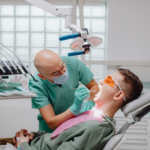
An oral surgeon consultation is usually simple and direct. The check involves assessment of the development of the wisdom teeth and looking for any potential problems.
Comprehensive Examination
While examining for swelling, gum irritation, jaw pain, or other signs of infection, the oral surgeon evaluates the teen’s dental and medical history. Teenagers who show no signs of problems may still have teeth that are erupting beneath the gum line.
Digital Imaging
Importance of a panoramic X-ray for the dental clinician: Panoramic X-rays and cone-beam CT scans allow a detailed view of the wisdom teeth and surrounding structures. These images can show if their teeth are impacted, growing sideways, or in close contact with neighboring nerves or the sinus area.
This can help develop a safer and more accurate treatment plan.
Personalized Treatment Planning
Once the results are in, the surgeon then determines whether monitoring or extraction is the appropriate course of action. Every case is different, so of course, the recommendations depend on the individual teen’s oral development and risk factors.
To ease anxiety in families, the surgeon might also go over sedation options, what to expect in recovery, and timing options.
Symptoms that a teenager should see an oral surgeon.
Some issues with wisdom teeth can develop silently, but certain symptoms should always be taken seriously. Ongoing pain in the back of your mouth can be a sign of trauma or infection.
Other warning signs include:
- Swollen or bleeding gums
- Jaw stiffness or soreness
- Difficulty chewing comfortably
- Bad breath or unpleasant taste
- Recurring irritation around teeth that are only partially erupted
- Facial swelling near the jawline
Early evaluation eliminates the chances of a more serious condition later on, even if symptoms appear mild.
What Recovery Usually Looks Like
How Much Recovery Is Involved After Wisdom Teeth Extraction? Wisdom tooth removal concerns many teens, but recovery is usually pretty reasonable, especially when you follow aftercare. After surgery, almost all patients have obvious swelling or soreness, even if mild, for a few days.
Soft foods are usually advised throughout recovery, and crunchy foods, straws, and vigorous physical activity ought to be avoided for a couple of days. Gentle oral hygiene is also key for keeping the surgical sites clean whilst avoiding damage to the healing tissues.
Most teens return to school and regular activities within a couple of days, although the process of full healing can continue over the next several weeks.
Following the surgeon’s instructions thoroughly minimizes the risk of complications such as infection or dry socket.
Choosing the Right Oral Surgeon
Choosing a well-qualified medical practitioner can take you far. Families should seek a specialist who frequently sees adolescent patients and can articulate treatment options and recovery goals.
For example, the familiar environment of an authentic, patient-focused center may also improve the experience for adolescent patients who are likely already anxious about the prospect of surgery. When practices coordinate with dentists and orthodontists, the most effective care and optimal timing for treatment typically occur.
Comfort, experience, and clear communication help ensure a positive experience during treatment.
Wisdom Teeth Questions for Teens
When should wisdom teeth be looked at?
Most dentists suggest that even asymptomatic third molars be evaluated during the mid-to-late teenage years.
But do all wisdom teeth really need to go?
No. Few wisdom teeth erupt normally… no problems. Removing teeth only is recommended when they cause problems or affect oral cavity health.
Is wisdom tooth surgery painful?
Patients, of course, are kept comfortable and asleep during the procedure itself as the procedure is performed under anesthesia or sedation. It will tingle mildly afterwards, but you should be able to manage it with medicine and good care.
How long does recovery take?
Although it may take longer to heal fully, most teens are back to normal within a few days to a week after surgery.
Can wisdom teeth affect braces?
When the available space is limited, wisdom teeth can cause crowding or pressure in the mouth. An early evaluation can protect the orthodontic results and long-term alignment.
A Preventive Approach to Dental Health
Wisdom teeth only sometimes cause problems, but when they do, complications can arise very quickly. Early consultation enables families to identify risks associated with pain, infection, or crowding before they become serious. When assessed thoroughly and treated conservatively based on their individual needs, adolescents receive appropriate treatment at the right time to achieve optimal short- and long-term intra-oral comfort.