
As parents, we try so much to keep our kids fit and also fine. Whether it is to visit the doctor regularly or to follow a nutrient-dense meal plan, every single decision contributes to their health, even though dental health is often neglected until a problem arises.
In fact, most problems with oral health start silently and can increase in severity if they are unattended. When something is off, and you are still asking yourself whether your kid really needs to visit a dentist, it can actually be detrimental to their well-being. Still, knowing whether that is the case is half the battle in providing comfort and safety for your child’s smile and proper overall growth.
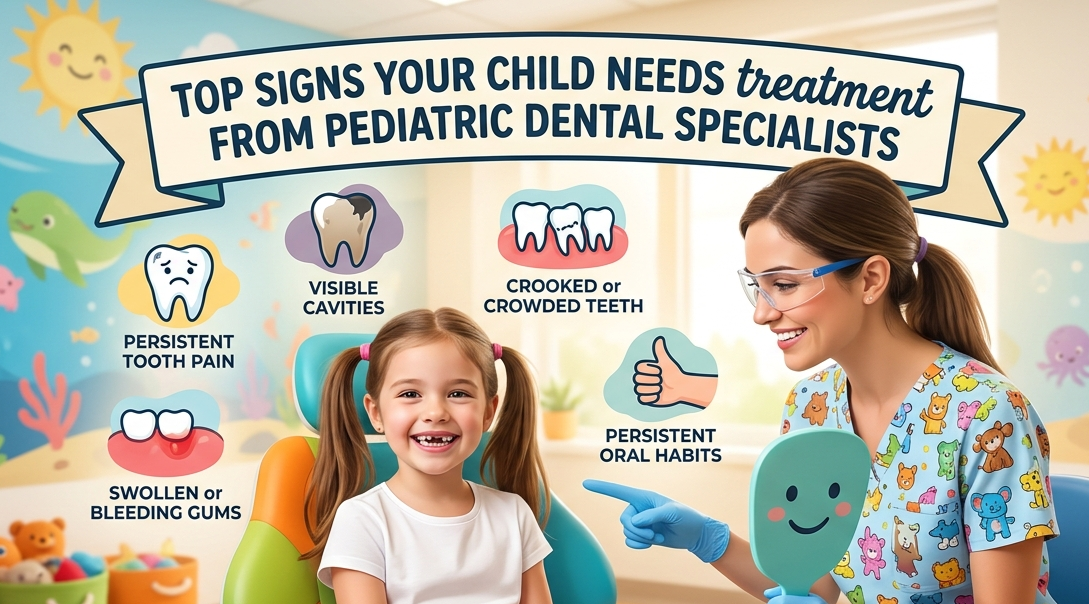
In the event you notice any of these red flags, it can be the best time to seek treatment from pediatric dental specialists skilled at addressing children’s oral health needs.
Never Ignore Tooth Pain That Persists
Kids don’t always express when they are uncomfortable; younger kids, especially, struggle to tell us how they feel.
Any frequent toothaches or mouth pain your child may be experiencing is a huge red flag and should be checked out.
Watch for symptoms such as:
- Pain while chewing
- How hot or cold foods can trigger sensitivity
- Difficulty sleeping due to discomfort
- Swelling around a tooth
- Irritability during meals
If pain persists, cavities, infections, cracks, or other conditions indicated by pain (especially if lasting more than two weeks) should receive immediate attention.
Visible Signs of Tooth Decay
One of the most widespread health complaints in children is tooth decay.
Early-stage decay may appear as:
- White spots on teeth
- Brown discoloration
- Little dark spots close to the gumline
- Visible holes or pits
Kids’ enamel is thinner than adults’, so decay can progress faster.
Cavities can be treated before they reach the inner layers of your tooth, which can lead to pain, infection, or the loss of your tooth altogether.
Delayed Loss of Baby Teeth
While all children grow at their own pace, primary teeth will fall out, and permanent ones will come in on a general timeline.
When baby teeth hang around longer than they should or permanent ones seem to be taking their dear time coming in, a diagnosis is needed.
Potential concerns include:
- Impacted teeth
- Crowding issues
- Missing permanent teeth
- Developmental abnormalities
Dental Imaging: Provides information on whether teeth are developing as anticipated and whether intervention is needed to facilitate healthy eruption patterns.
Crooked, Crowded, or Misaligned Teeth
Several orthodontic issues arise during childhood. Alignment issues may be immediately noticeable or may build up over time, with early corrective treatment.
Common warning signs include:
- Overlapping teeth
- Significant spacing between teeth
- Difficulty biting or chewing
- Jaw shifting during movement
- Teeth that don’t meet properly
Consider this: early treatment may help structure jaw development and tooth alignment, decreasing the need for extensive orthodontic intervention later.
Red, Swollen, or Bleeding Gums
Healthy gums are firm and pink. If your child experiences gums that frequently bleed during brushing or flossing, it should be a tap on the shoulder to make sure there is an underlying problem.
Additional symptoms may include:
- Swelling
- Tenderness
- Redness
- Persistent bad breath
These mainly relate to gingivitis and other gum problems. In some cases, gum problems can develop very quickly, so immediate treatment is important to avoid future complications.
Ongoing Bad Breath Despite Brushing
Halitosis, or bad breath, is commonly experienced, especially after eating certain foods. But if the bad breath continues despite practicing good oral hygiene, it could be a sign of something more serious.
Possible causes include:
- Tooth decay
- Gum inflammation
- Oral infections
- Plaque buildup
- Dry mouth
The source has identified a professional examination, which may also indicate an ideal system for your treatment.
Difficulty Eating or Chewing
Eating should not be painful or difficult for children. If your child refuses certain foods, chews only on one side of the mouth, or has trouble biting properly, it could be a dental issue.
Potential causes include:
- Misaligned teeth
- Jaw development issues
- Tooth pain
- Missing teeth
- Bite abnormalities
Managing these concerns early can ultimately optimize oral function and nutrition.
Speech Development Concerns
The position of the teeth, tongue, and jaw all contribute to an individual’s speech development.
Certain dental problems can lead to:
- Pronunciation difficulties
- Delayed speech development
- Lisping
- Tongue placement problems
Dental evaluations may help detect oral factors that affect speech and support timely treatment planning as needed.
Frequent Mouth Injuries
While active children sometimes get bumps and bruises, frequent trauma to the mouth area may indicate a problem.
Watch for:
- Frequent lip biting
- Tongue injuries
- Broken teeth
- Repeated mouth trauma
Sometimes, bite issues or tooth misalignment can make your teeth more prone to injury during regular use.
Preventive measures and remedial actions can reduce the likelihood of recurrence.
Persistent Oral Habits
Young children will have some sort of habit, such as thumb sucking or tongue thrusting. Although these habits usually don’t cause problems when babies are very young, maintaining them for extended periods can alter tooth positions and jaw development.
Signs of concern include:
- Protruding front teeth
- Open bites
- Changes in jaw position
- Difficulty closing the mouth comfortably
Long-term oral growth and development may be affected by habits, but early detection can help limit their impact.
Dental Fear, Phobia, or Anxiety About Dental Visits
Dental anxiety is an important issue for children, as it may impede a child from obtaining necessary dental care.
If your child experiences:
- Extreme fear before appointments
- Crying or resistance during visits
- Ongoing avoidance of dental care
If you’re looking to ensure a great experience and give your child more options and opportunities for your care needs, a child-focused dental provider can help! Specific training in treating child behavior helps these professionals gain trust and reduce fear, facilitating better treatment.
Specialized Care for Children Special Issue: The Scoop on Sugar
The dental needs of children differ dramatically from those of adults.
Pediatric oral health specialists receive further training in:
- Child growth and development
- Preventive dentistry
- Behavior guidance
- Early orthodontic assessment
- THERE IS CARE FOR CHILDREN that need special attention
This experience helps ensure that treatment strategies align with the child’s specific developmental level and individualized needs.
Frequently Asked Questions
At what Age is Their First Dental Visit?
Generally, dental experts recommend scheduling the first visit at age 1 or within 6 months after the first tooth emerges.
Are baby teeth really that important?
Yes. Baby teeth are important for chewing, speech development, and serving as guides for the permanent teeth.
How frequently should a child go to the dentist?
Most kids are seen every 6 months for a cleaning, though some may need more frequent visits depending on their oral health needs.
What causes cavities in children?
Tooth decay occurs when bacteria mingle with sugars to form acids that destroy tooth enamel. There are many underlying risk factors; frequent snacking, sugary drinks, and incorrect brushing can all contribute to increased risk.
When do you start seeing orthodontic issues?
Yes. If alignment and jaw development problems are identified earlier, they can be evaluated before they become more serious, enabling better treatment planning.
Setting Your Child Up for Success with a Healthy Smile
Early diagnosis of dental problems can be highly beneficial for your child’s oral health journey. Whether due to lingering tooth pain, indications of decay, gum conditions, bite problems, or growth & development issues, timely care always helps prevent complications and supports healthy growth. If you are mindful of these warning signs and insist on regular dental check-ups, your child can have a healthy, confident smile right through to adulthood.