
Brushing your teeth twice a day is not all that is required to take care of your teeth. Contemporary living, dietary choices, and environmental exposure affect oral health more than many individuals imagine. This is why general dental care is no longer a mere routine; it is a smart, proactive way to safeguard your smile in the long run. When you have had your share of sensitivity, stains, or sudden toothaches, your routine likely needs a few basic yet effective modifications. The positive side is that by adopting the right habits, you may avoid most dental problems before they even start.
The Importance of Smarter Oral Care
Dental issues do not manifest themselves immediately. Within hours, plaque accumulates; within days, it becomes tartar, and in cases of gum inflammation, it can progress silently and go undetected. Most individuals do not take action until the pain sets in, and by then the problem is already advanced. Routine makes you stay ahead. By working on prevention, you minimize the risk of cavities, preserve your gums, and avoid expensive treatment. It is not about perfection; it is about showing up each day with the right habits.
Defend Your Teeth with Fluoride Defense
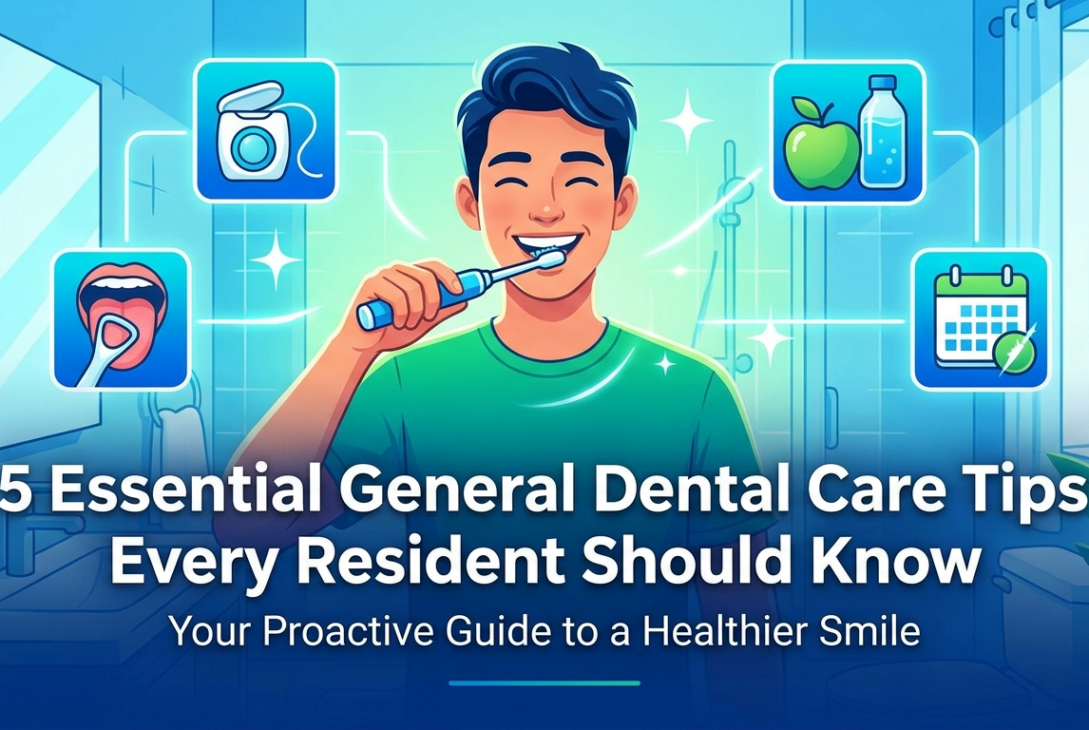
Fluoride is very important for maintaining healthy enamel. It operates by repairing small ruptures before they develop into full cavities. An effective oral care system must include using fluoride toothpaste twice a day and a fluoride rinse in the evening to provide extra protection. Electric toothbrushes can take your routine to a whole new level. They move constantly, which makes them more effective in removing plaque than manual brushing, particularly along the gumline, where it accumulates. This combination will, over time, significantly reduce the incidence of decay and sensitivity.
Flossing: The Routine Everybody Cliches (But Not)
Your teeth cannot be cleaned just by brushing. Such narrow crevices are places where food particles and bacteria gather and, if neglected, later cause gum disease. Flossing is also necessary because it reaches areas your toothbrush cannot. Flossing is the easiest way to achieve consistency. It doesn’t matter whether you floss with traditional floss, floss picks, or a water flosser; the idea is the same: clean those hard-to-reach areas each day. A short, regular attempt can significantly reduce gum inflammation and prevent damage over time.
Neglecting Tongue Cleaning
Clean Tongue-Clean teeth are just as important as a clean tongue. Some individuals find it challenging to brush their teeth, yet they still have bad breath due to bacteria on the tongue. Tongue cleaning is part of your nightly routine and should be added to eliminate odor-causing bacteria and enhance oral hygiene. It is a fast movement that brings a fresh, easily felt sensation and helps maintain a healthier balance in your mouth.
Reconsider Your Eating Habits to Have Better Oral Health
The food you eat and how often you eat directly affect your teeth. Snacking and sweetened beverages subject your enamel to repeated acid attacks, which, over time, weaken it. Rather than merely dwelling on the things to avoid, it is better to embrace more intelligent diets. You can naturally clean your teeth and stimulate saliva flow by eating crunchy fruits or vegetables at the start of a meal, which helps guard against bacteria. The damage is also minimized by not drinking sugary or acidic beverages as sips during the day but only at mealtimes. Such minor changes have a considerable long-term impact.
Remain Regular with Professional Cleanings
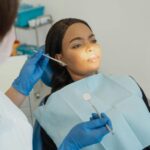
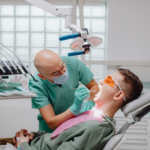
Even the most perfect at-home routine cannot eliminate hardened tartar. This is why regular visits to the dentist are still necessary. Professional cleanings are more thorough and remove buildup that brushing and flossing cannot. Early identification of any problems is also done during these visits. Dentists can diagnose cavities, gum issues, and other problems at an early stage before they become serious. It is always good to keep the appointments so that you can avoid complicated treatment and take good care of your teeth.
A Basic Routine that Prospers
An effective oral health routine does not necessarily have to be complex. Pay attention to extensive brushing and flossing in the morning. Small habits, such as chewing sugar-free gum after meals, can help maintain balance during the day. The cycle is completed at night with brushing, tongue cleaning and fluoride rinse. It can be done in a few minutes, yet the effect on your mouth health lasts a long time.
Frequently Asked Questions
How often should I brush my teeth?
It is important to brush twice a day, in the morning and at night before sleep. This helps prevent the accumulation of bacteria and plaque.
Does one actually need to floss daily?
Yes. Flossing every day keeps your teeth clean in places your toothbrush cannot reach, greatly minimizing the risk of gum disease.
Why do I still have bad breath?
In the vast majority of cases, it is the bacteria on the tongue or food particles between teeth. This is typically resolved with proper tongue cleaning and flossing.
Is there a connection between dental health and diet?
Absolutely. Repeated exposure to sugar and acid undermines the enamel and predisposes to cavities as age increases.
What is the recommended frequency of dental visits?
Most individuals are advised to have a cleaning and check-up every 6 months, but some may need to visit the dentist more often, depending on their condition.
Form Life Long Habits
Oral health is not about fast solutions; it is a matter of regularity. Stick with minor routines every day, and you will stop bigger issues in the future. It is just a matter of changing your attitude: at the moment, you will take care of your teeth; they will care about you tomorrow. Begin simple, keep it simple, and let the routine do the work.