

A confident smile is one of the best investments you can make in yourself. If you are considering porcelain veneers, you are probably wondering how long that investment will actually last. The good news is that with the right care, your new smile can stay bright and strong for well over a decade.
Porcelain veneers are thin, custom-made shells bonded to the front of your teeth to correct chips, gaps, discoloration, and uneven shapes. They are one of the most popular cosmetic dentistry solutions because they look natural and hold up remarkably well over time. This guide breaks down exactly how long porcelain veneers last and the daily habits that help you get the most out of them.
How Long Do Porcelain Veneers Really Last?
On average, porcelain veneers last between 10 and 15 years. With excellent care and regular dental visits, many patients enjoy their veneers for 20 years or longer before a replacement is needed.
This durability comes down to the material itself. Porcelain is a high-grade ceramic that resists stains and holds up against the daily pressure of chewing, talking, and smiling far better than other options.
Composite resin veneers, by comparison, typically last only 5 to 7 years. They are more affordable upfront but wear down faster and are more prone to chipping and discoloration.
It is worth noting that the veneer itself does not decay, but the natural tooth underneath and the surrounding gums still need protection. Good oral hygiene is what keeps the whole system, veneer and tooth, healthy for the long run.
Daily Habits That Maximize Veneer Lifespan
Maintain Flawless Oral Hygiene
Your daily hygiene routine plays the biggest role in how long your veneers last.
- Brush twice daily with a soft-bristled brush to avoid scratching the porcelain surface.
- Use non-abrasive toothpaste. Skip formulas with baking soda, peroxide, or harsh whitening agents, since these can dull the finish over time.
- Floss every day, paying close attention to the margins where the veneer meets your natural tooth. This prevents decay from forming underneath the restoration.
- Rinse with an alcohol-free mouthwash. Alcohol-based rinses can gradually soften the bonding composite that holds your veneers in place.
Adjust Your Eating and Lifestyle Habits
What you eat and how you use your teeth matters just as much as brushing and flossing.
- Avoid hard foods like ice, hard candy, nuts, and bones, which can chip or crack the porcelain.
- Never use your teeth as tools. Opening packages, ripping tags, or biting your nails puts unnecessary stress on the veneer’s edges.
- Minimize staining agents. Coffee, tea, and red wine can discolor the bonding seams over time, so rinse with water after drinking them.
- Quit smoking. Tobacco use weakens the dental cement and stains the margins around your restorations.
Protect Against Physical Wear
Physical stress is one of the leading causes of early veneer failure, but it is also one of the most preventable.
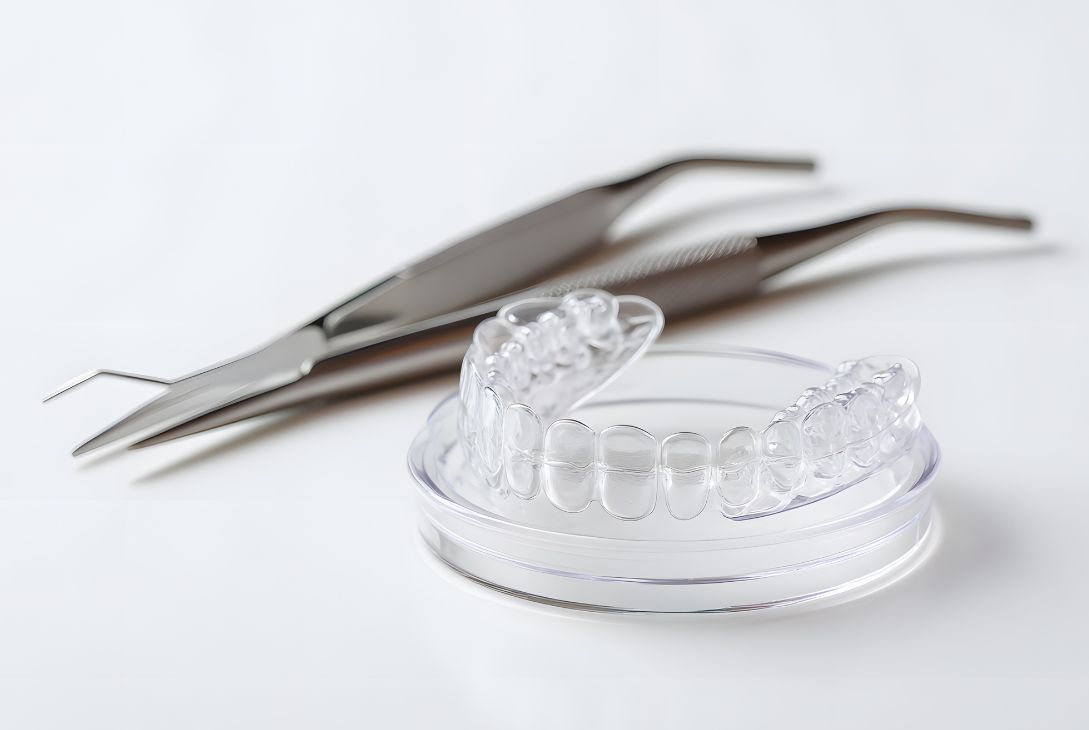
- Wear a nightguard if you clench or grind your teeth while sleeping. Bruxism is one of the fastest ways to crack or dislodge a veneer.
- Use an athletic mouthguard during contact sports to shield your veneers from impact.
- Keep up with dental checkups every six months. Your dentist can catch small issues, like a loosening edge, before they turn into bigger problems.
Porcelain vs. Other Veneer Materials
Choosing the right material has a direct impact on how long your smile makeover lasts. Here is how the most common options compare:
| Veneer Type | Average Lifespan | Primary Advantages |
| Porcelain | 10–15+ years | Exceptional durability, premium stain resistance, natural look |
| No-Prep (Lumineers) | 5–15 years | Ultra-thin, minimal to no enamel reduction |
| Composite Resin | 5–7 years | Lower upfront cost, applied in one visit, easily repaired |
While no-prep and composite options may cost less initially, porcelain veneers typically offer the strongest long-term value thanks to their superior resistance to stains, chips, and daily wear.
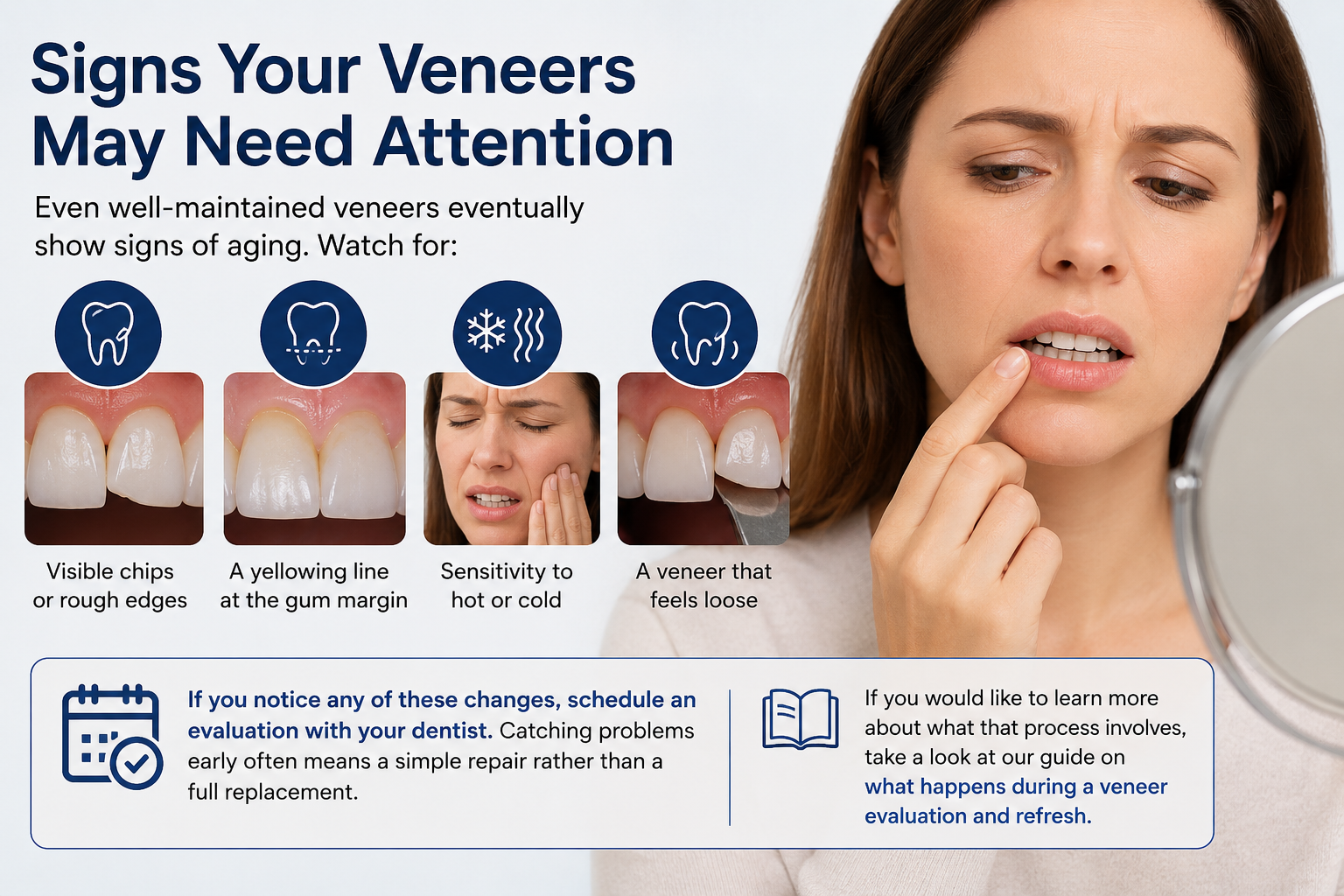
Signs Your Veneers May Need Attention
Even well-maintained veneers eventually show signs of aging. Watch for:
- Visible chips or rough edges
- A yellowing line at the gum margin
- Sensitivity to hot or cold
- A veneer that feels loose
If you notice any of these changes, schedule an evaluation with your dentist. Catching problems early often means a simple repair rather than a full replacement. If you would like to learn more about what that process involves, take a look at our guide on what happens during a veneer evaluation and refresh.
Final Thoughts
Porcelain veneers are a long-term investment in your smile, and with the right habits, that investment can pay off for 15 to 20 years or more. Consistent oral hygiene, mindful eating habits, and protective measures like nightguards go a long way toward preserving both the veneers and the natural teeth underneath.
For more general guidance on daily dental care, the consumer resources from the American Dental Association are a helpful reference point alongside your dentist’s personalized recommendations.