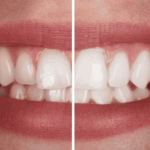

A cup of coffee here, a glass of red wine there, and years of little habits start to show on your smile. If your teeth have gradually shifted from bright white to a dull yellow, you’re not alone. The good news is that professional teeth whitening can reverse years of buildup in a single visit, using science that goes far deeper than any store-bought strip.
In this article, we’ll break down exactly how professional teeth whitening works, the difference between surface and deep stains, and why a dentist’s chair still beats a drugstore shelf.
What Causes Teeth to Stain Over Time?
Before we get into the whitening process, it helps to understand where stains actually come from. Not all discoloration is the same, and that’s a big part of why professional treatment works so much better than at-home kits.
- Diet: Coffee, tea, red wine, and dark berries all contain pigments called chromogens that cling to enamel.
- Tobacco use: Tar and nicotine leave yellow-to-brown stains that build up with repeated exposure.
- Aging: Enamel naturally thins over time, revealing the yellower dentin layer underneath.
- Medication and trauma: Certain antibiotics and injuries can discolor teeth from the inside out.
The Science Behind Professional Teeth Whitening
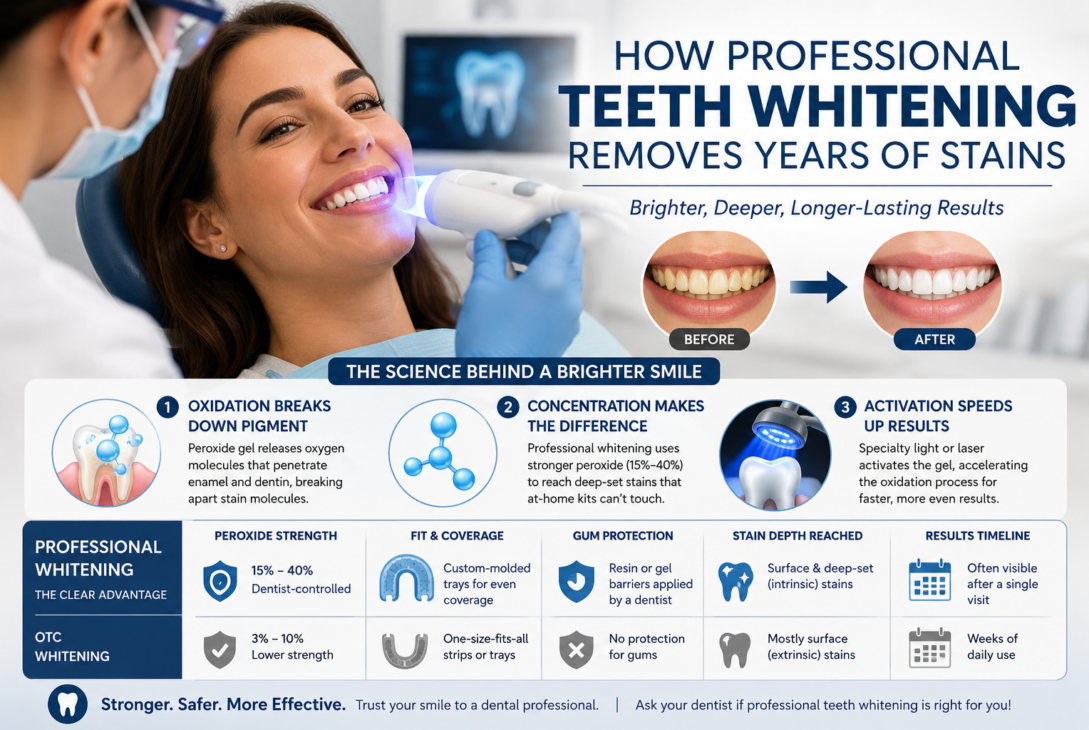
At its core, professional teeth whitening relies on oxidation, a chemical reaction that breaks down stain molecules so light can pass through your teeth more evenly. This is what actually makes teeth look whiter, not just cleaner.
Step 1: Oxidation Breaks Down Pigment
Dentists apply a peroxide-based gel, usually hydrogen peroxide or carbamide peroxide, directly to the teeth. As the peroxide breaks down, it releases oxygen molecules that travel into the enamel and dentin.
Those oxygen molecules target the chemical bonds holding stain pigments together. Once those bonds break apart, the pigment fragments become smaller and far less visible, giving teeth a noticeably brighter appearance.
Step 2: Concentration Makes the Difference
Over-the-counter kits typically use peroxide concentrations between 3% and 10%. Professional treatments, on the other hand, use much stronger formulas, often ranging from 15% up to 40% under a dentist’s supervision. According to the American Dental Association, higher-concentration treatments should only be performed or supervised by a dental professional, since improper use can irritate soft tissue.
That extra strength is exactly what allows professional whitening to reach stains that at-home products simply can’t touch.
Step 3: Activation Speeds Up Results
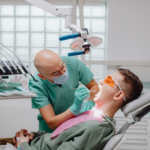
Many in-office treatments use a specialty light or dental laser to accelerate the oxidation process. This activation step shortens treatment time and helps the peroxide work more efficiently across the entire smile in a single appointment.
Extrinsic vs. Intrinsic Stains: Why Depth Matters
Understanding stain depth explains why professional teeth whitening consistently outperforms drugstore alternatives.
Extrinsic Stains
These are surface-level stains caused by food, drinks, and tobacco. They sit on top of the enamel, which is why professional whitening lifts them quickly and with visible results almost immediately.
Intrinsic Stains
Intrinsic stains form inside the dentin, the layer beneath enamel. Aging, trauma, and certain medications commonly cause this deeper discoloration. Because these stains are trapped below the surface, only the higher-strength peroxide gels used in professional treatment can reliably oxidize and lighten them.
Professional Whitening vs. Over-the-Counter Kits
Store-bought strips and whitening toothpastes can offer modest improvements, but they work differently, and less effectively, than an in-office visit.
| Feature | OTC Whitening | Professional Whitening |
| Peroxide strength | 3% – 10% | 15% – 40%, dentist-controlled |
| Fit and coverage | One-size-fits-all strips or trays | Custom-molded trays for even coverage |
| Gum protection | None | Resin or gel barriers applied by a dentist |
| Stain depth reached | Mostly surface (extrinsic) stains | Surface and deep-set (intrinsic) stains |
| Results timeline | Weeks of daily use | Often visible after a single visit |
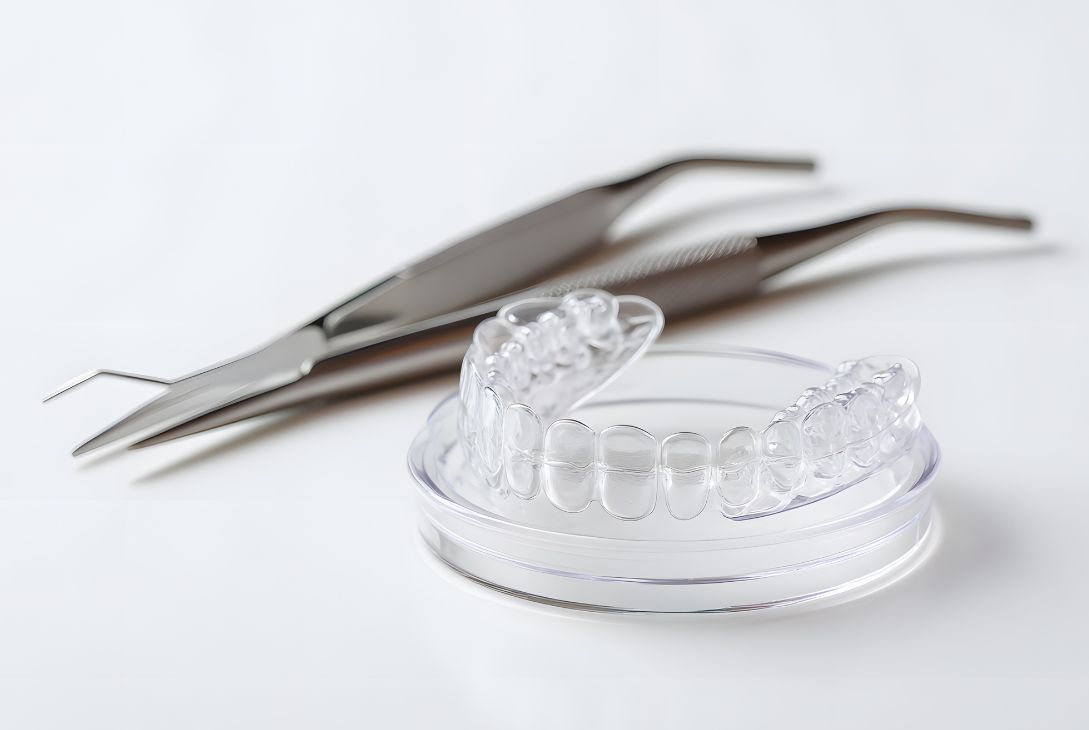
Custom-fitted trays are one of the biggest advantages of professional care. Because they’re molded to your exact bite, the whitening gel reaches every tooth surface evenly instead of pooling unevenly the way a generic strip might.
Dentists also apply a protective barrier, often a resin or gel, along the gumline before treatment. This shields soft tissue from irritation, something no over-the-counter kit can offer since it isn’t tailored to your mouth.
Is Professional Teeth Whitening Right for You?
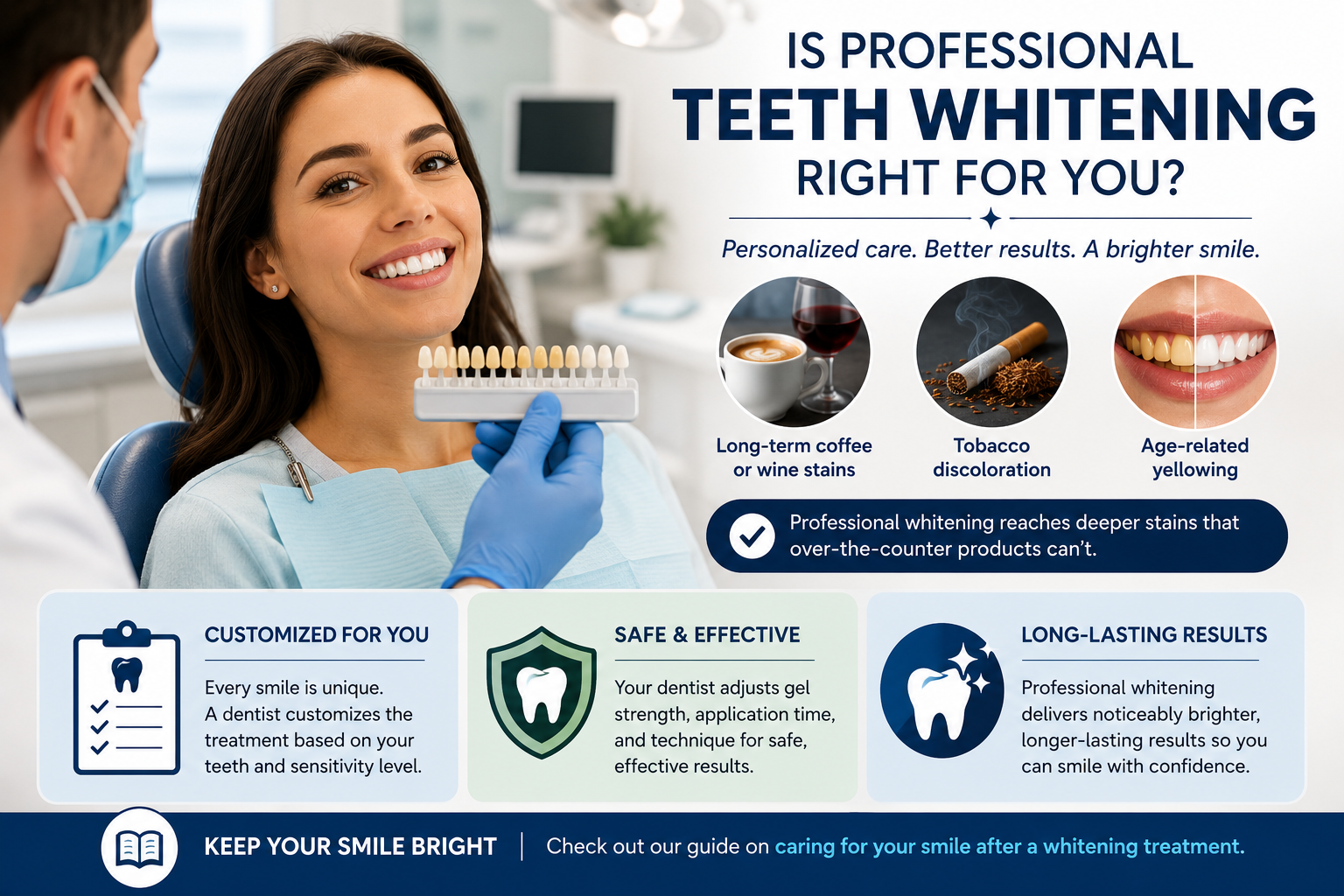
If you’ve tried whitening toothpaste or strips without much change, that’s usually a sign the discoloration goes deeper than surface stains. Professional teeth whitening is typically the better option for anyone dealing with long-term coffee or wine stains, tobacco discoloration, or age-related yellowing.
It’s also worth noting that professional treatment is customized to your teeth and sensitivity level, something that’s simply not possible with a one-size-fits-all kit. A dentist can adjust gel strength, application time, and technique based on your specific needs.
For more on keeping your results looking their best, check out our guide on caring for your smile after a whitening treatment.
Final Thoughts
Years of coffee, wine, and everyday habits don’t have to define your smile. Professional teeth whitening uses stronger, dentist-controlled peroxide concentrations and targeted activation to reach both surface and deep-set stains that at-home kits simply can’t touch.