
A bright smile is one of the first things people notice, and it’s no surprise that cosmetic teeth whitening is one of the most requested treatments in dentistry today. But when you start comparing options, the choice usually comes down to two paths: booking an appointment for professional teeth whitening or picking up a box of whitening strips from the store.
Both promise a whiter smile. Only one delivers it faster, more evenly, and with results that last. Here’s how they really compare.
The Short Answer: Professional Whitening Wins on Results
Professional teeth whitening outperforms whitening strips in nearly every measurable way: speed, final shade, coverage, and how deep the treatment reaches into the tooth.
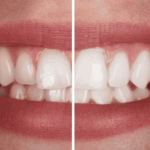
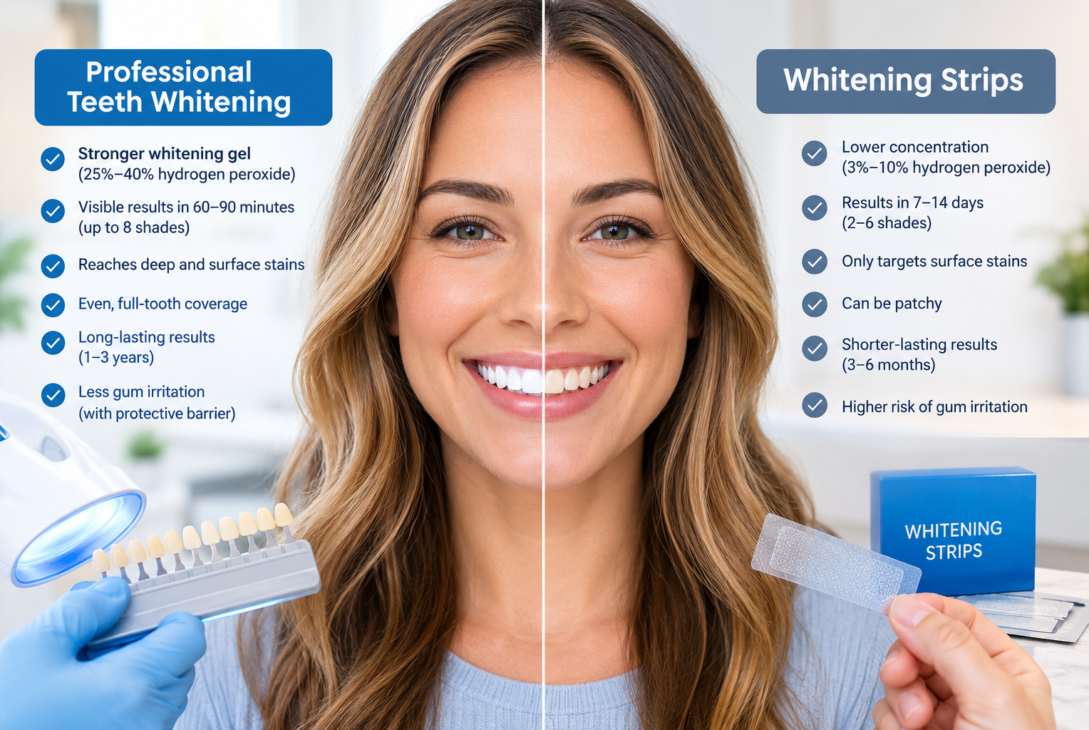
In a single 60- to 90-minute visit, in-office whitening can lift your smile by up to 8 shades. Over-the-counter strips, by contrast, typically brighten teeth by 2 to 6 shades, and only after 1 to 2 weeks of daily use.
That said, strips aren’t without their place. For mild surface stains on a budget, they can still be a reasonable starting point.
Professional Teeth Whitening vs. Whitening Strips: Side-by-Side
| Feature | Professional In-Office Whitening | Whitening Strips |
|---|---|---|
| Active Ingredient Strength | 25%–40% hydrogen peroxide | 3%–10% hydrogen peroxide |
| Time to See Results | Immediate (60–90 minutes) | 7–14 days of daily use |
| Average Cost | $300–$1,000 | $20–$50 per box |
| Stain Targeting | Deep intrinsic and surface stains | Mild surface stains only |
| Result Longevity | 1 to 3 years | 3 to 6 months |
| Coverage Uniformity | Even, full-tooth coverage | Can be patchy |
| Gum Protection | High (dentist applies a protective barrier) | Low (strip can touch gum line) |
The biggest difference comes down to concentration. A dentist can safely use a far stronger bleaching gel than what’s allowed in an over-the-counter product, which is why the results show up so much faster.
Why Dentist Teeth Whitening Works Better
It Reaches Deeper Stains
Years of coffee, tea, red wine, or simply aging can cause yellowing that sits deep inside the tooth structure, not just on the surface. Professional-strength gels are formulated to break down this intrinsic discoloration. Whitening strips, on the other hand, are only designed to lift surface stains.
It Covers Every Angle
Teeth aren’t flat, but whitening strips are. That mismatch means strips often miss the tight spaces between teeth and the curves near the gumline, leading to a patchy, uneven result. During dentist-led teeth whitening, your provider makes sure the whitening gel reaches every surface evenly, so you don’t end up with random light and dark spots.
It Reduces Teeth Whitening Sensitivity
Anyone who has used at-home whitening strips knows the sudden “zing” of sensitivity when the gel touches a gumline. That happens because hydrogen peroxide is irritating to soft tissue. In a dental office, a protective barrier or liquid dam is applied first to isolate the teeth, which significantly cuts down on gum irritation and teeth whitening sensitivity during treatment.
When Whitening Strips Still Make Sense
Whitening strips aren’t a bad choice for everyone; they’re just better suited to a specific situation.
- Minor staining only. If your teeth are already fairly light and you’re just trying to freshen things up, strips can be a low-cost way to do it.
- Budget matters most. At $20 to $50 a box, strips cost a fraction of an in-office visit, even if the results are more modest.
- Maintaining a professional result. Many dentists actually recommend using strips between professional treatments to help stretch out your results and delay your next visit.
In other words, strips work well as a maintenance tool, not necessarily as a replacement for professional care, especially if you’re dealing with deeper or long-standing stains.
How to Whiten Yellow Teeth the Right Way
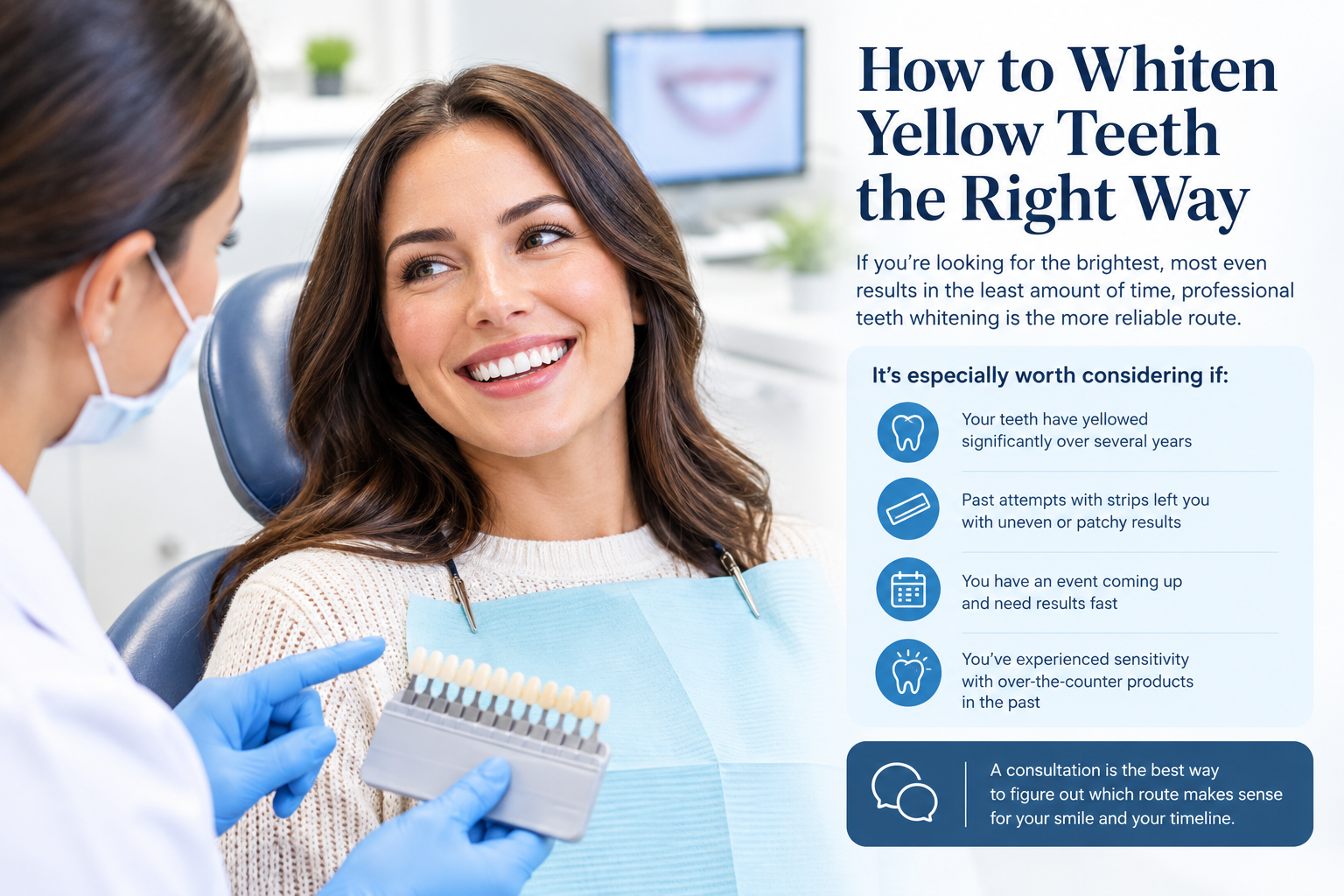
If your goal is simply the brightest, most even result in the least amount of time, professional teeth whitening is the more reliable route. It’s especially worth considering if:
- Your teeth have yellowed significantly over several years
- Past attempts with strips left you with uneven or patchy results
- You have an event coming up and need results fast
- You’ve experienced sensitivity with over-the-counter products in the past
A consultation is the best way to figure out which route makes sense for your smile and your timeline. Our cosmetic dentistry team can walk you through your options and recommend a whitening approach based on your specific stains, sensitivity level, and goals.
American Fork Teeth Whitening: What to Expect
If you’re searching for American Fork teeth whitening, look for a provider who evaluates your teeth before recommending a treatment plan. Not every stain responds the same way, and a quick consultation can save you from wasting money on the wrong approach.
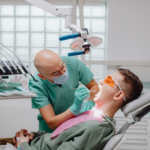
During a professional teeth whitening visit, your dentist will typically:
- Examine your teeth and gums to confirm you’re a good candidate
- Apply a protective barrier to your gums
- Apply the whitening gel and activate it as needed
- Rinse and evaluate your results, adjusting treatment time if necessary
The entire process is usually finished within one appointment, with results visible immediately.
Final Thoughts
When it comes to teeth whitening results, professional treatment simply works faster, reaches deeper, and lasts longer than whitening strips. Strips still have their place as an affordable touch-up option, but if you’re after a noticeable, even, long-lasting change, an in-office teeth whitening treatment is the better investment.