
Modern dental labs need the right tools to create dental restorations that fit well and look natural. Zirconia crowns and bridges are popular choices because zirconia is a strong material used in restorative dentistry. However, shaping and adjusting this material requires suitable equipment. The wrong tool can cause rough edges, unwanted marks, or damage to the restoration.
Zirconia Cutting Burs help dental professionals shape, adjust, and finish zirconia restorations with care. Choosing the right bur can support better control, smoother surfaces, and more reliable work. This article explains why these burs matter, how to select them, and how proper use and maintenance can help dental labs achieve consistent results.
1. How Zirconia Cutting Burs Support Accurate Dental Work
Dental restorations must be shaped carefully to meet the needs of each patient. A crown that does not fit properly may need extra adjustment, while a rough surface may require more finishing. Suitable cutting tools help dental technicians work with greater control.
Shape Zirconia With Better Control
Zirconia is a hard ceramic material. Dental technicians may need to remove small amounts of material to refine the shape of a crown, bridge, or other restoration. Zirconia Cutting Burs are designed for specific cutting and adjustment tasks, depending on their shape, abrasive material, and intended use.
For example, a bur with a suitable shape can help reach a narrow area or adjust a particular surface. However, no single bur is ideal for every task. The right choice depends on the restoration, the amount of material to remove, and the finish required.
Help Improve Surface Quality
A good finish is important for both the appearance and function of a dental restoration. Using a suitable bur can help reduce unwanted marks and make later finishing steps easier.
Moreover, careful cutting can help prevent unnecessary changes to the restoration’s shape. Dental technicians should use the bur according to its instructions and avoid excessive pressure. The correct technique matters just as much as the tool itself.
2. Choose the Right Zirconia Cutting Tools for Each Task
Not all dental burs have the same design or purpose. Some are intended for removing material, while others are better suited to refining small areas. Selecting the right tool can help reduce rework and support a more predictable workflow.
Consider the Bur Shape and Abrasive Type
Bur shape affects how easily a technician can reach different parts of a restoration. For example, pointed or tapered designs may help with detailed areas, while other shapes may suit broader surfaces. The best option depends on the manufacturer’s intended use.
The abrasive material also matters. Diamond-coated burs are commonly used for working with hard dental ceramics, but their performance depends on the design, grit, and recommended application.
When choosing Zirconia Cutting Tools, dental labs should review product specifications instead of selecting a bur based on appearance alone. Compatibility with the handpiece or machine is also important.
Match the Tool to the Work Stage
Some tasks require more material removal, while others call for gentle refinement. Using a coarse tool for delicate finishing may leave deeper marks than needed. Conversely, using a fine tool for heavy cutting may take longer and may not produce the desired result.
A planned process can help technicians move from shaping to finishing in suitable steps. They should follow the instructions provided with the zirconia material and the selected bur.
Furthermore, the correct tool can help technicians avoid unnecessary adjustments that may affect the final shape. This is especially useful when a lab needs to complete many restorations while maintaining consistent standards.
3. Proper Use and Maintenance Can Improve Results
Even a high-quality bur may perform poorly if it is used incorrectly or becomes worn. Proper handling, inspection, and care help dental labs get more reliable performance from their equipment.
Follow the Recommended Working Method
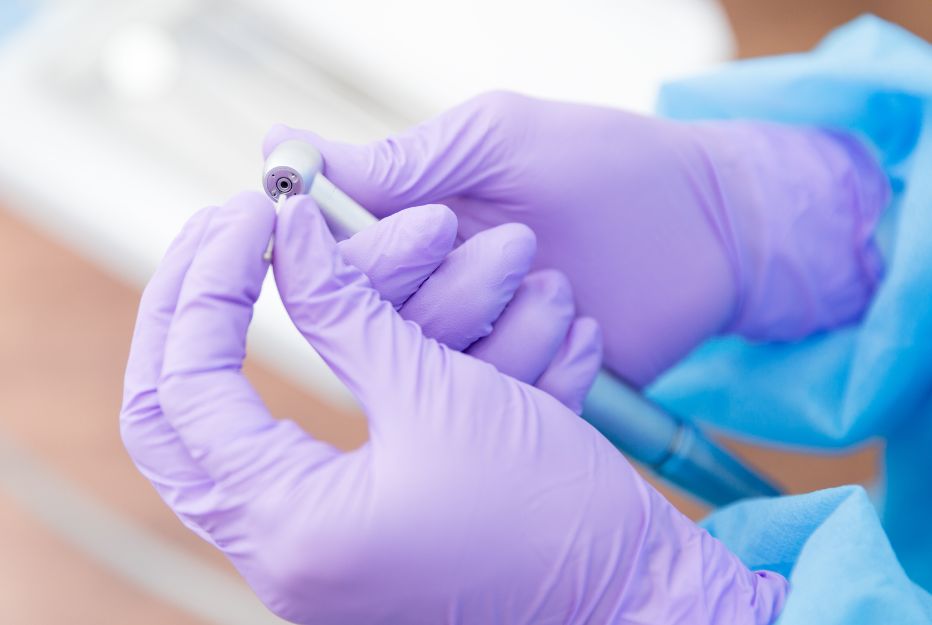
Before using Zirconia Cutting Burs, technicians should check the bur for visible damage and confirm that it is suitable for the task. They should also make sure the bur fits the equipment correctly and is rated for the required operating speed.
Excessive pressure can increase heat and may damage the tool or restoration. Technicians should use the pressure, speed, and cooling method recommended by the manufacturer. Suitable eye protection and other required safety measures should also be used.
The correct approach may vary by bur design and zirconia type. Therefore, product instructions should guide the process rather than assumptions about how all burs work.
Inspect, Clean, and Replace Burs When Needed
Worn or damaged burs may cut less effectively and make it harder to achieve a consistent finish. Regular inspection can help technicians notice wear, damage, or changes in performance.
Cleaning and sterilization must follow the product manufacturer’s instructions and the dental lab’s infection-control procedures. Not every bur is designed for the same cleaning or reuse process, so technicians should confirm whether a product is reusable and how it should be handled.
Moreover, replacing a bur when required can help prevent poor results caused by worn equipment. A simple maintenance routine can support a safer and more organized workspace.
Consider Long-Term Value
The lowest-priced bur may not always be the most suitable choice. Dental labs should consider how well a product matches their tasks, how it performs during use, and what care it requires.
When comparing Zirconia Cutting Tools, it helps to review the bur’s intended application, material, shape, compatibility, and manufacturer guidance. These details can help a lab choose tools that fit its workflow without making unsupported assumptions about performance.
FAQs
Q: What Are Zirconia Cutting Burs Used For?
A: They are used for specific cutting, shaping, and adjustment tasks on zirconia dental restorations. The correct bur depends on the material and the work required.
Q: Why Is Choosing the Right Bur Important?
A: The right bur can help technicians control material removal, reach specific areas, and prepare restorations for finishing. It can also reduce avoidable rework.
Q: Are All Zirconia Cutting Tools the Same?
A: No. Burs vary in shape, abrasive material, grit, and intended use. Dental technicians should check product specifications before choosing one.
Q: When Should a Zirconia Bur Be Replaced?
A: A bur should be replaced when it is damaged, worn, or no longer performs as intended. The manufacturer’s instructions should guide inspection and replacement.
Final Thought
Zirconia restorations require careful shaping and finishing, and the right equipment plays an important role in that process. Zirconia Cutting Burs can help dental technicians adjust restorations with better control when the tools are suitable for the task and used correctly.
Choosing the right bur involves checking its design, abrasive type, compatibility, and intended application. Moreover, safe handling and regular inspection can help maintain consistent work quality. By selecting suitable Zirconia Cutting Tools and following manufacturer guidance, modern dental labs can build a more reliable workflow for zirconia restoration work.