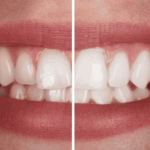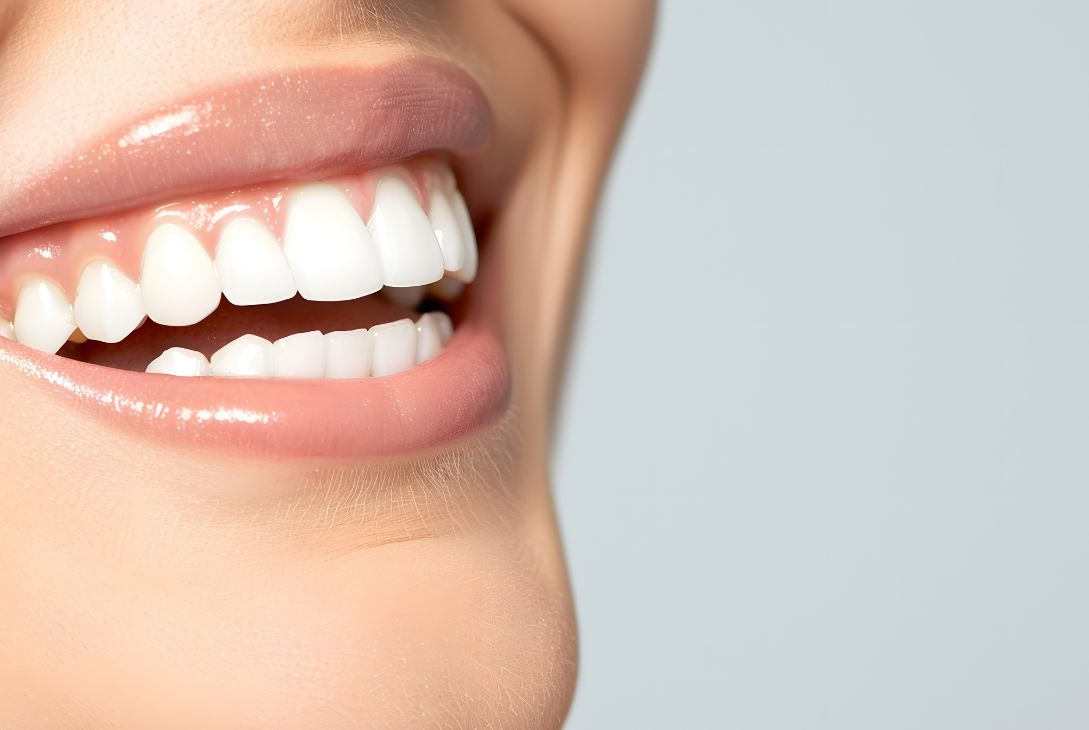

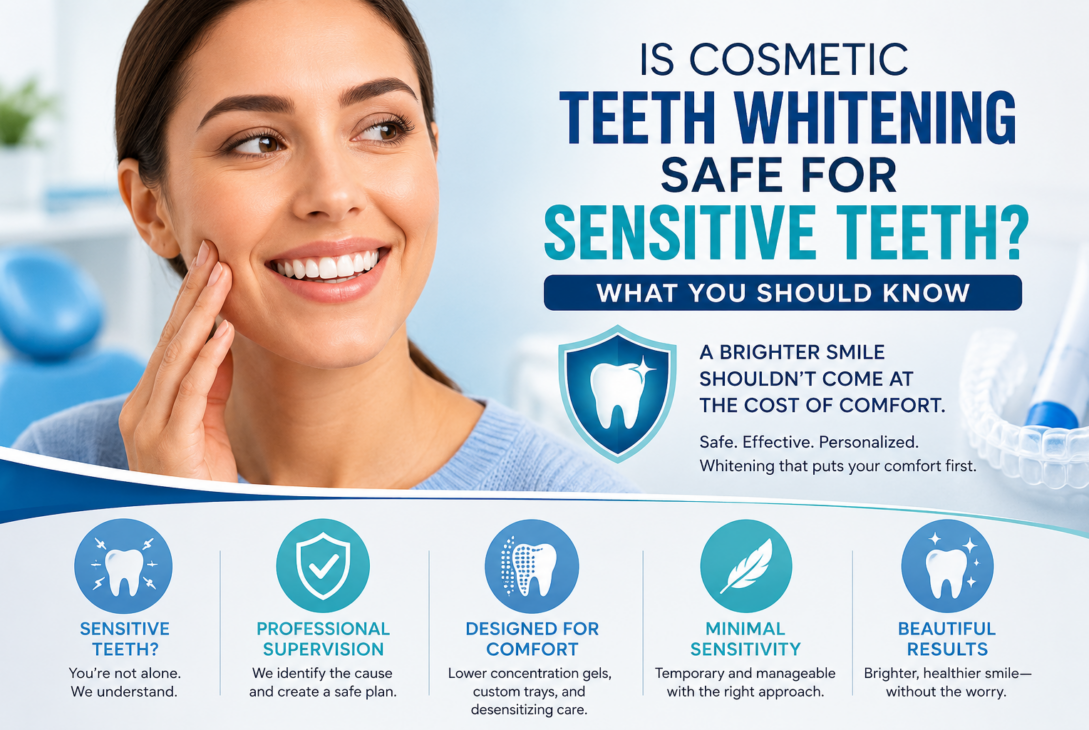
And a brighter smile can enhance your confidence, create better first impressions, and give you the boost you need to feel more comfortable in both social and professional environments. But if your teeth are already sensitive, the very thought of whitening may leave you with one important question: Will it make the pain worse?
However, in the correct hands, cosmetic teeth whitening can still be a safe and effective treatment for patients with sensitive teeth. However, recent advancements in dental technology, increased comfort with whitening formulas, and a personalized treatment approach mean patients can achieve dramatic improvements with minimal discomfort.
Realize how whitening works, why sensitivity occurs in the first place, and everything that can be done to protect your mouth.
Understanding Why Teeth Become Sensitive
Abstract: Tooth Sensitivity, also known as dentin hypersensitivity, occurs when dentin has tiny channels that lead straight to the nerve center of your tooth, which can make it more sensitive and responsive to outside influences.
Common causes of sensitivity include:
- Worn enamel
- Gum recession
- Tooth grinding
- Cracked teeth
- Cavities
- Food and beverage acid erosion
Because whitening agents work by penetrating the enamel and removing stains, nerves inside the tooth can sometimes become temporarily stimulated. This reaction may be more pronounced in those already experiencing sensitivity.
The good news is that when whitening is done right, the discomfort tends to be short-lived and doesn’t result in permanent damage.
How Professional Whitening Treatments Work
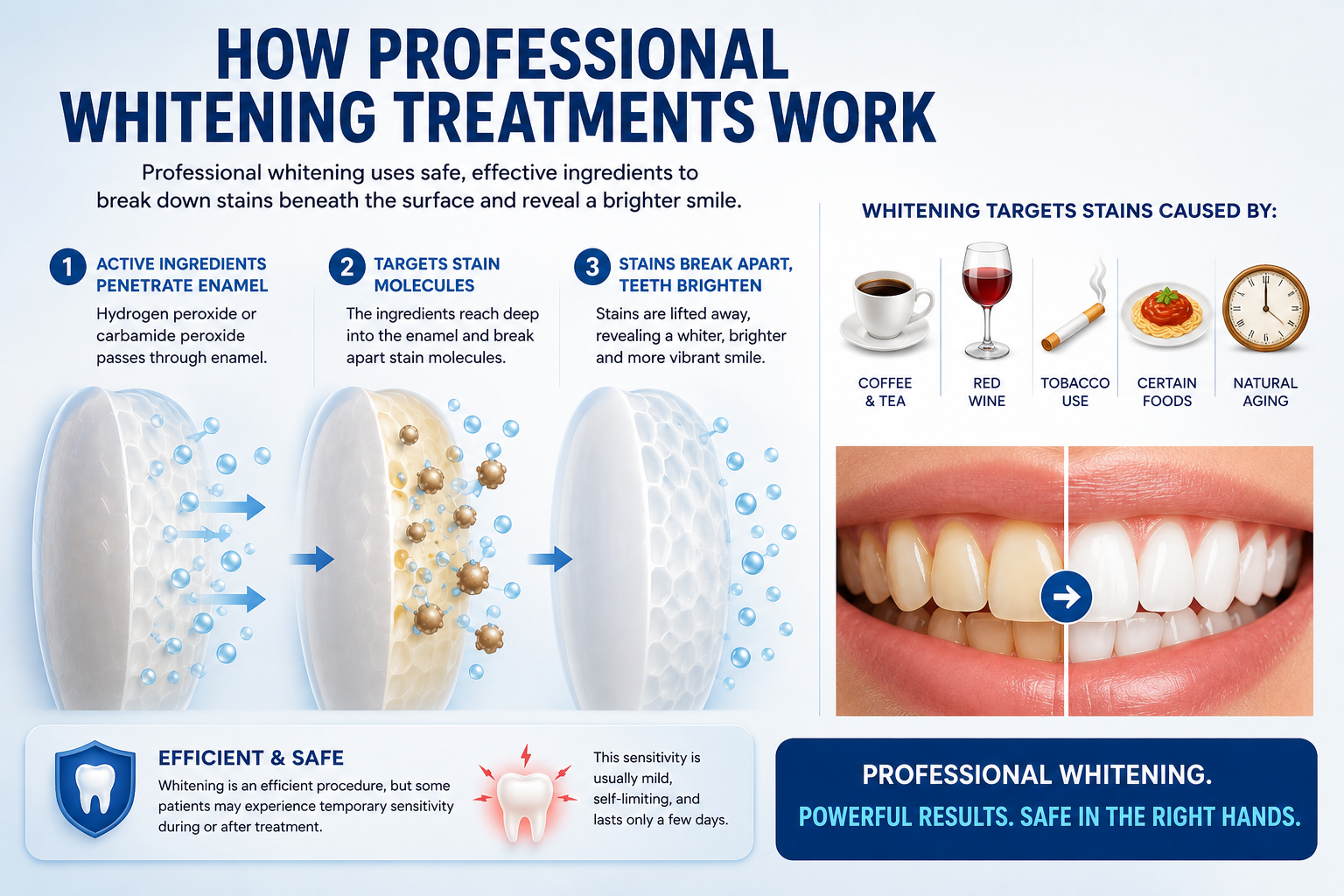
Most whitening systems use active ingredients to target stains beneath the surface of your teeth, using hydrogen peroxide or carbamide peroxide to dissolve particles.
These components pass through that enamel and do their job right within the yellow stains that cause discoloration, including:
- Coffee and tea
- Red wine
- Tobacco use
- Certain foods
- Natural aging
When the stain molecules break apart, the teeth become bright and vibrant. Although this is an efficient procedure, it can lead to transient sensitivity in some patients during or after treatment. It is usually self-limiting and lasts just a few days.
Why Professional Supervision Matters
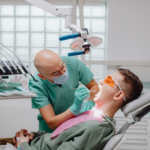
Seeking professional guidance can also be a key factor in managing your sensitive teeth and achieving results.
Before the initiation of any form of treatment, an evaluation for proper and underlying causes needs to be undertaken through a dental examination, as numerous factors can contribute to sensitivity;
- Untreated cavities
- Cracked teeth
- Gum disease
- Exposed tooth roots
By prioritizing these concerns, the potential for discomfort during whitening procedures can be minimized.
In addition, professional supervision is necessary to develop individualized treatment plans that meet each patient’s unique needs.
Better Whitening For Sensitive Teeth
They offer different approaches to teeth whitening treatment. For those with more sensitive teeth, less intensive methods, which tend to cause less frustration and minimal irritation, provide great results.
Lower-Concentration Whitening Gels
Products that contain lower concentrations of bleaching agents may eliminate stains more slowly while also reducing your risk of sensitivity.
The process is usually a lot more pleasant, even if the results take a bit longer to manifest.
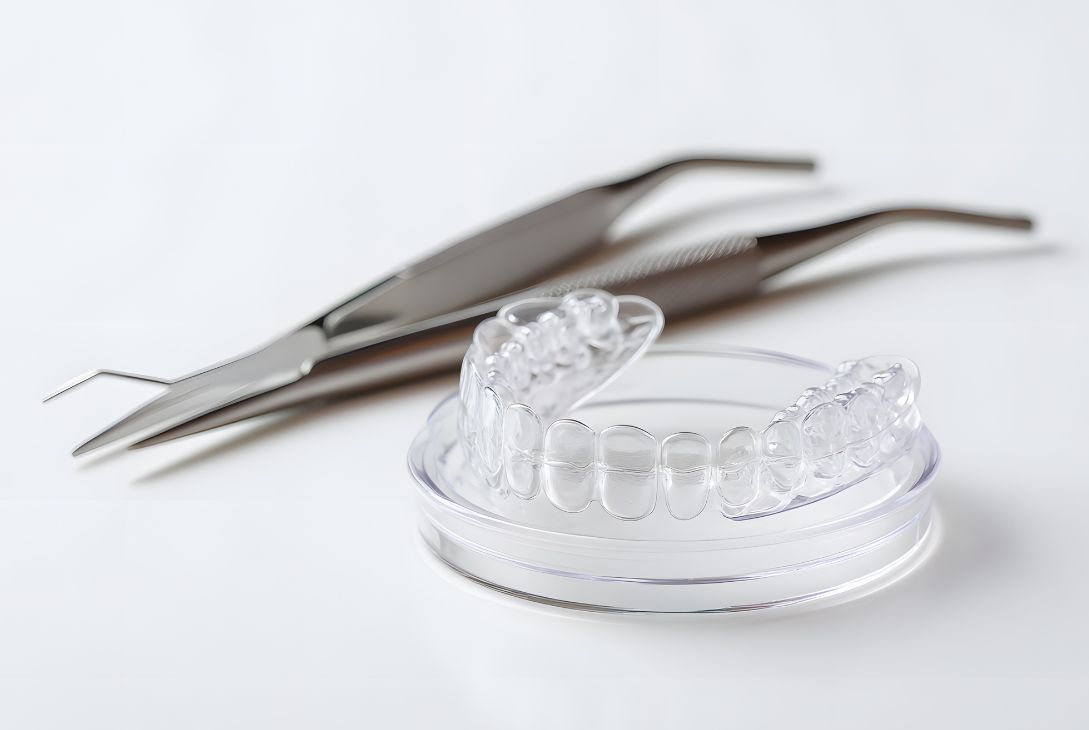
Custom-Fitted Whitening Trays
Professionally fabricated trays provide a more precise fit than widely available options.
Benefits include:
- Even distribution of whitening gel
- Reduced gum irritation
- Better overall comfort
- More predictable results
Custom trays also stop the overspillage of whitening solution onto soft tissues.
Desensitizing Treatments
Many dentists apply desensitizing agents before, during, or after whitening procedures.
Such products help dampen nerve responses and strengthen enamel, thereby leading to a more convenient treatment for patients with sensitive teeth.
How to Minimise Sensitivity When Whitening
If you have sensitive teeth and are considering a whitening treatment, there are several straightforward strategies to help minimize discomfort.
Use Sensitivity Toothpaste
A desensitizing toothpaste is designed to stop pain signals in their tracks as they travel from the tooth surface to the nerve.
Using one for at least a few weeks beforehand is greatly beneficial to comfort during treatment.
Follow Instructions Carefully
Overuse is one of the most common causes of whitening-related sensitivity.
Extending product use beyond recommended limits or using them too often will cause increased irritation and expose tooth enamel to unnecessary stress.
Always follow professional guidance and product instructions.
Take Breaks Between Treatments
Gives your teeth a break: spacing out whitening sessions gives your teeth a bit of time to recover. Gradual whitening usually gives good results with minimal sensitivity.
Maintain Excellent Oral Hygiene
The best whitening results are achieved when the teeth and gums are healthy, so those getting these treatments should make sure they brush & floss regularly.
The best foundation for your brightest smile is regular brushing, flossing and professional cleanings.
What to Expect After Treatment
Typically, patients feel little or no discomfort after whitening treatments.
Temporary symptoms: For those who have sensitive teeth:
- Mild aching
- Cold or hot stimuli penetration
- Brief discomfort when eating sweets
The effects of these usually only last for one to three days.
To support recovery after treatment:
- Avoid very hot or cold foods
- Use a soft-bristle toothbrush
- Continue using sensitive toothpaste
- Drink water frequently
- Refrain from dark-colored foods and drinks for several days
Implementing these 5 recommendations and minimizing discomfort will help prolong your results.
Important Considerations Before Whitening
It is generally safe for most people, but not all.
All of the following conditions should be seen by a dental professional before treatment:
- Active tooth decay
- Severe gum disease
- Exposed roots
- Extensive dental restorations
- Significant enamel loss
Another thing to keep in mind is that crowns, veneers, fillings, and other restorations don’t whiten the same way natural teeth do. This could affect how your smile looks after treatment.
Whether to undergo whitening is best assessed by a professional, who should also recommend a treatment approach specific to your case.
Frequently Asked Questions
Can people with sensitive teeth safely whiten their teeth?
Yes. Thousands of sensitive people have safely whitened their teeth with individualized treatment plans, lower-concentration products, and dental supervision.
How long does whitening sensitivity last?
The main whitening-related sensitivity is temporary and usually occurs within 1 to 3 days after treatment.
Does whitening damage enamel?
Provided it is done correctly, and as your dentist recommends, whitening will not permanently harm healthy enamel.
Are at-home whitening kits safe for sensitive teeth?
Certain OTCs may be effective, but professional guidance almost always provides more safety and comfort for people who are already sensitive.
How long do whitening treatments need to be repeated?
The frequency is determined based on lifestyle patterns and stains. The reality is that for many people, it might be six months to a year or longer before there is a need for additional treatment.
Brighten Your Smile Without Losing Comfort
Having sensitive teeth does not mean you are excluded from whitening treatments. With appropriate professional oversight, current methods, and individualized attention, many individuals can improve the look of their grin with relative ease, and, if they are careful, there should be little discomfort. The important thing is to identify the cause of sensitivity, select an appropriate treatment method, and focus on long-term oral health throughout the whitening process. You can have a whiter smile—and it doesn’t have to be at the cost of your comfort.